
Stop Wasting Power on Glass Preheating
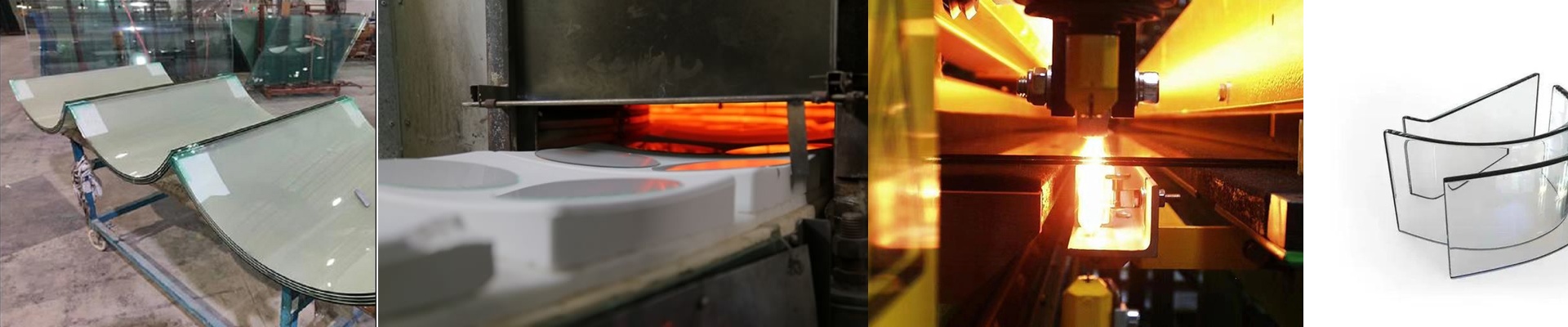
Let’s be honest: glass annealing and tempering lines are absolute power hogs. If you’ve spent any time on the floor, you know most of that energy just vanishes during preheating. It’s slow, it’s clunky, and it’s expensive. We tackle this by using short-wave infrared (IR) lamps. Instead of trying to heat up the entire volume of the oven—which is basically like trying to heat a whole room just to warm up a cup of coffee—these lamps hit the glass surface directly. It’s faster. Much faster.
The Deal with Heat Density
If you want to get glass up to tempering temps without slowing down your entire day, you need a lot of wattage packed into a small space. That’s why we spec our lamps for high-voltage operation. It keeps the footprint small but pushes a massive amount of heat. The win here is a quicker ramp-up time, which means you can actually crank up your line speed. Just a heads-up, though: this stuff getsintense. If your conveyor supports or housing aren’t built to handle that kind of heat spike, you’re going to end up with warped frames. Definitely double-check your gear before you dive in.
Why Quartz Matters
We use high-purity quartz for the envelopes. Why? Because short-wave radiation slides right through it. The energy goes straight into the glass sheet instead of getting trapped in the lamp. This is a lifesaver for your equipment because it keeps the tubes from burning out way too early. Plus, we use standard industrial connectors—think R7s or Sk15. You can just swap them out like a lightbulb. No need to rip apart your control panel or spend hours rewiring everything.
What This Actually Does for Your Bottom Line
When you switch to focused IR heating, you stop “soaking” the glass for forever. You stop paying to heat the air. By tightening up that heating zone, your kWh per square meter drops. But here is the real trick: synchronize your lamp output with your line speed. When you get that timing right, you stop overshooting the temperature. You save a ton on your utility bill, and you stop worrying about thermal shock ruining your work. It just works.