
Upgrading Your Borosilicate IR Heating Systems
If you’ve ever tried to upgrade infrared lamps in a borosilicate glass setup, you know the real nightmare isn’t the wattage. It’s the fit. There is nothing worse than buying a high-performance lamp only to realize it doesn’t actually fit into the housing. We’ve spent a lot of time making sure you don’t have to rebuild your entire machine or mess with your control panels just to get a bit more power.
Getting it to actually fit
We go for a “drop-in” approach. Whether you’re dealing with standard screw-ins or some weird, custom shape that only exists in your factory, we want the upgrade to be painless. No drilling. No hacking away at the machine. We handle the precision machining of the end caps on our side. That way, you just swap the old, worn-out tubes for new ones, wire them up, and get back to work. It’s that simple.
The technical side of things
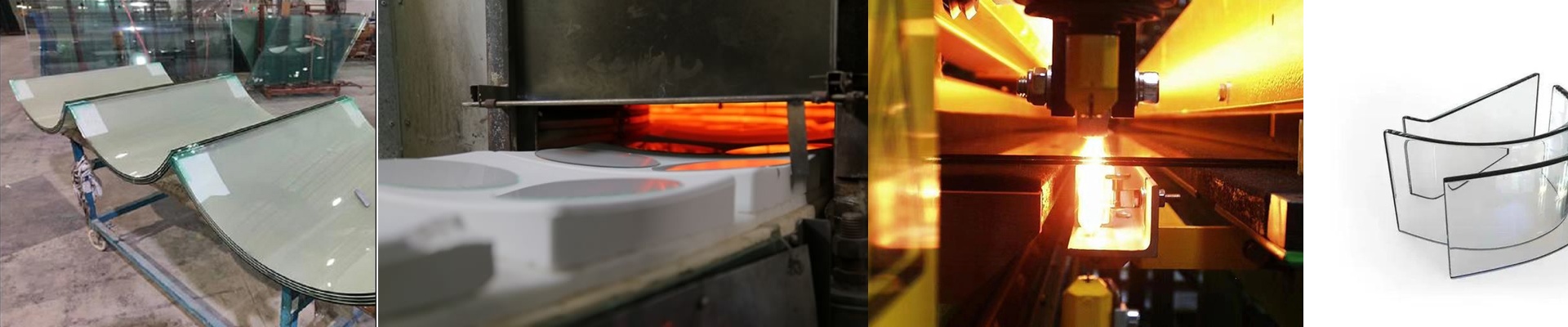
Working with borosilicate glass is tricky because if your thermal gradients are off, you’re going to end up with stress fractures. Not a great look. Depending on how deep you need the heat to penetrate, we dial in the shortwave or medium-wave IR. By tweaking the voltage and wattage, we get the heat density exactly where it needs to be. Now, a quick heads-up: high-wattage tubes get you up to temperature faster, but they put a lot more stress on your reflectors. Just make sure your cooling fans can keep up with the extra heat around the lamp ends. You don’t want your connectors melting because the air got too hot.
Why this actually matters
When the lamp fits perfectly, you don’t need adapters. And let’s be honest—adapters are usually the first thing to break. They create poor electrical contact and cause resistance at the terminals. A direct fit keeps the power steady. It protects the filament. More importantly, it means your system can handle a 24/7 production grind without you having to constantly tinker with it. It just works.