

Getting Your IR Lamps to Actually Talk to Your Glass
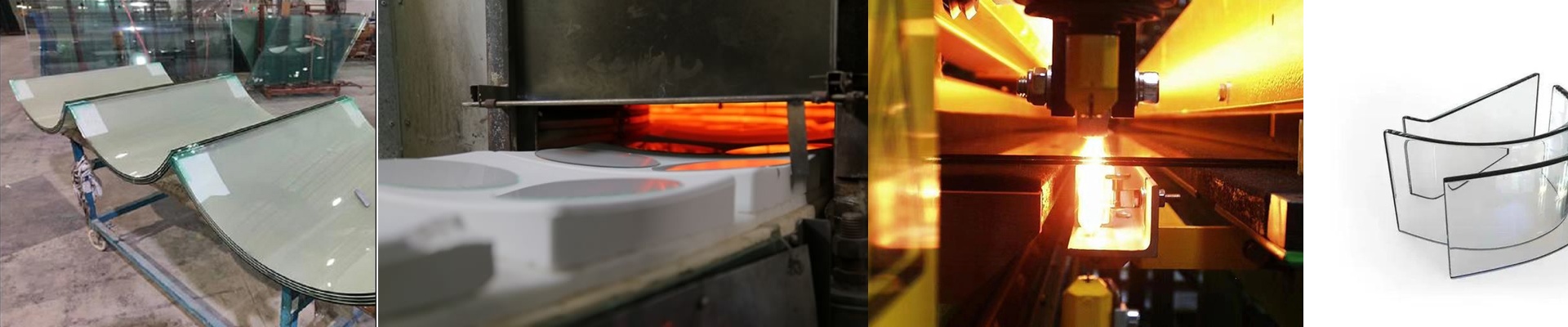
Whether you’re messing around with a DIY bottle cutter in your garage or running a high-end industrial rig, there’s a common trap people fall into. They think more wattage equals more heat. But it’s not really about raw power. It’s about the wavelength. See, standard IR lamps just throw a broad wave of heat at everything. That works fine for basic glass. But if your glass has additives—like metal oxides or specific colors—it becomes picky. Those materials only “listen” to specific spectral peaks. If your lamp isn’t hitting those exact notes, the energy just bounces off the surface. You’re paying for electricity you aren’t using, and you’re risking a crack because the heat is uneven. Tuning the heat To fix this, we can actually tweak the infrared spectrum to match those absorption peaks. Now, this isn’t some software update or a setting you toggle in a menu. This is old-school hardware. We change what the filament is made of or put specific coatings on the quartz envelope to shift the emission curve. The result? You get a concentrated band of energy that matches the chemical signature of your glass. Instead of just scorching the outside, the heat actually sinks into the glass wall. The trade-off Here’s the catch. When you narrow the spectrum to hit a specific peak, you lose some of that total raw power. You aren’t getting the full “blast” of a standard halogen tube anymore. Because of that, you’ll probably need to bump up the wattage or just give the glass a bit more time under the lamp to get the job done. It’s a fair trade for the precision you get. Real-world setup Once you’ve got these custom tubes, don’t just plug them into a cheap dimmer and call it a day. You’ll get flickering, which leads to temperature swings, and that’s how you break your project. Stick with a stable DC power supply or a high-precision SCR. And one last thing: these things get hot. Really hot. If you’re packing a bunch of these lamps into a tight housing, make sure you’ve got plenty of airflow. If you don’t vent them properly, you’re just going to melt your sockets.