
Introduction
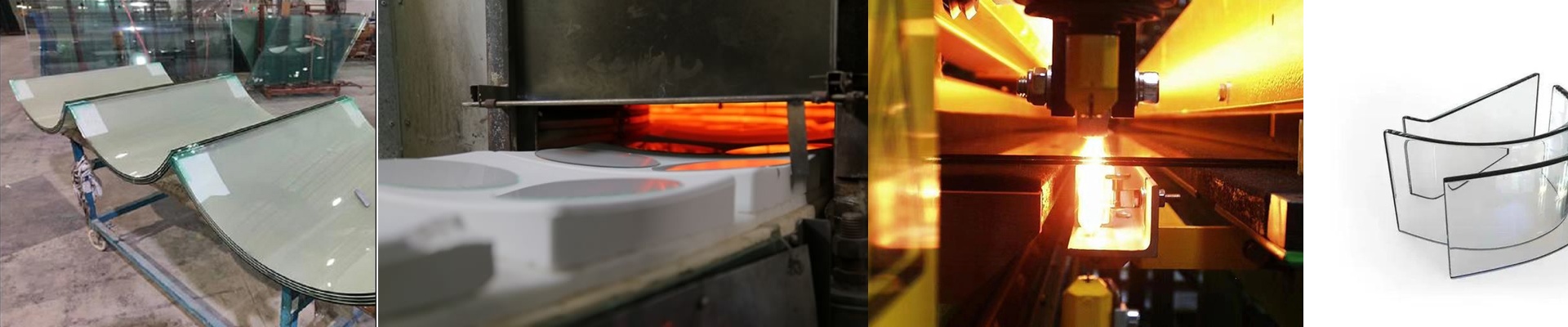
We build infrared heating lamps for one very specific job: annealing Spectacle glass. The whole point is simple—apply heat exactly where it’s needed to ease out internal stress, but never leave a trace of distortion behind. That means the lamp has to be tough, precise, and ready to fit the tight reality of the annealing chamber.
Power, Voltage, and Size—What Actually Matters on the Floor
These lamps have to lay down infrared energy evenly, every single time. And we make sure they play nice with whatever power your plant is running on—110V, 480V, or 575V—so you don’t have to rework your whole setup. Go with the higher voltages, like 480V or 575V, and you get a nice ripple effect: for the same wattage, the current drops. That means smaller wires, less energy lost along the way, and a wiring harness that’s simpler and cleaner. But higher voltage does ask for more care—better insulation and solid grounding procedures. It’s not complicated, but it’s important. We also match wattage and length to the annealing zone itself. The lamp stays focused, so you’re not wasting heat on parts that don’t need it.
The Build: Quartz, Coating, and Connectors That Won’t Let You Down
The heating element sits inside a high-purity quartz tube. Quartz handles fast heating and cooling cycles without cracking, and it lets short-wave infrared through cleanly. We add a special reflective coating to push heat forward, straight onto the glass. That means more energy hits the target, and the inside of the fixture stays protected from radiant heat. For connections, we stick with R7s and Sk15 connectors. They’re built for high temperatures and stay tight even when things expand and contract. When you’re swapping lamps under pressure, you want connections that stay solid—no arcing, no frustrating contact issues.
What This Means for Your Shop—Less Headache, More Uptime
On the annealing line, the lamp has to behave like a dependable heat source, not a wild card. Because these lamps work across global voltages, you can run the same lamp design on different lines and in different regions. Installation becomes a straight swap—less downtime, fewer headaches. The infrared output heats fast and even, so the annealing cycle can be shorter. And because the footprint is lean, you get breathing room in those tight machine bays. One reality check, though: high-wattage, high-voltage lamps pack serious heat density. Your machine’s cooling system needs to be up to the job, so the area around the lamp stays within safe limits. We build these lamps to handle the voltage, the heat, and the mechanical grind of the annealing process—so your line keeps moving.