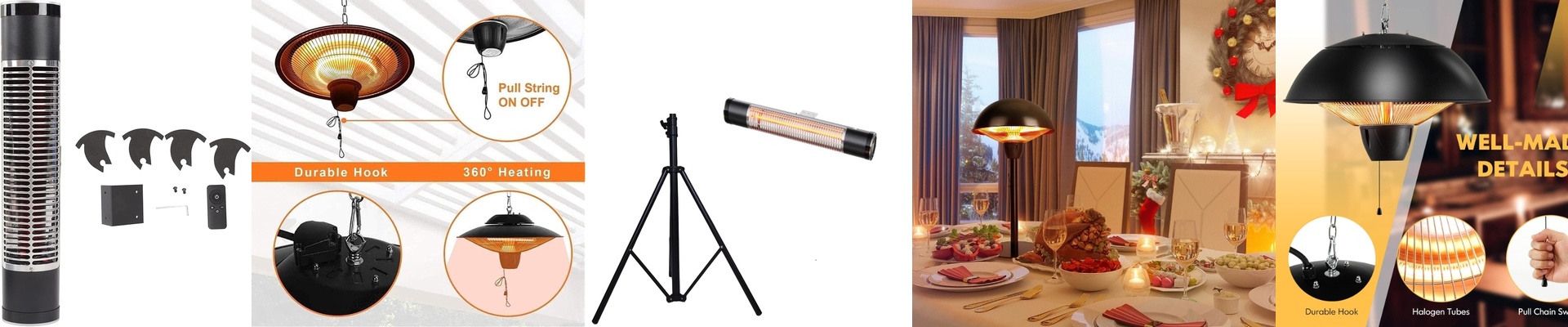
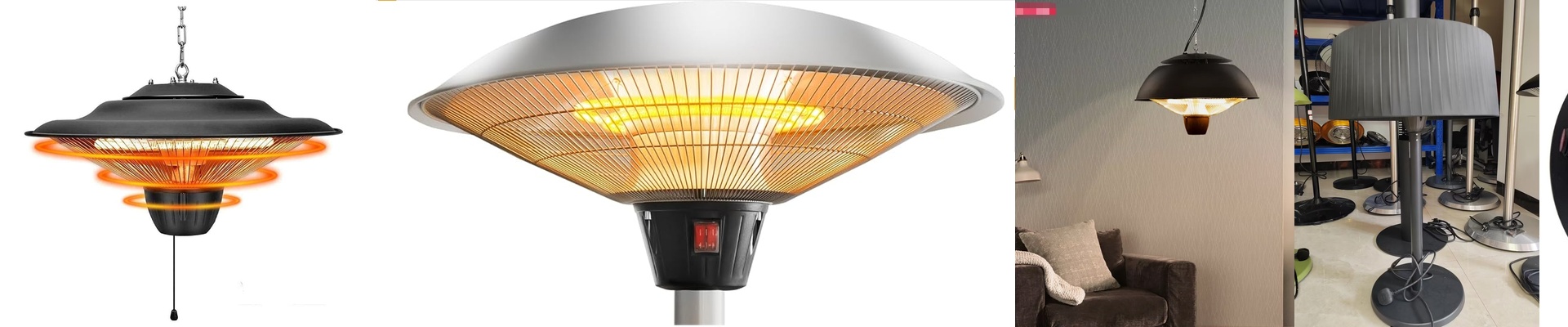


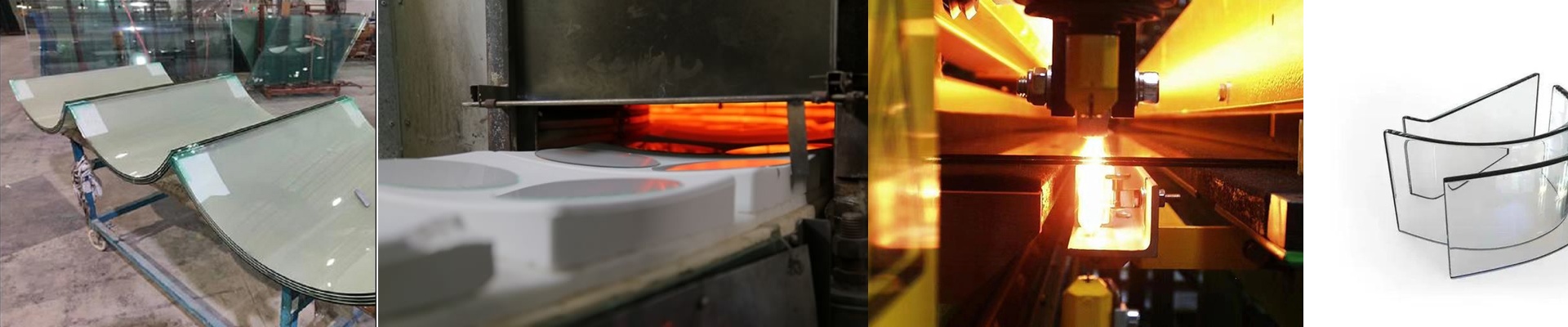
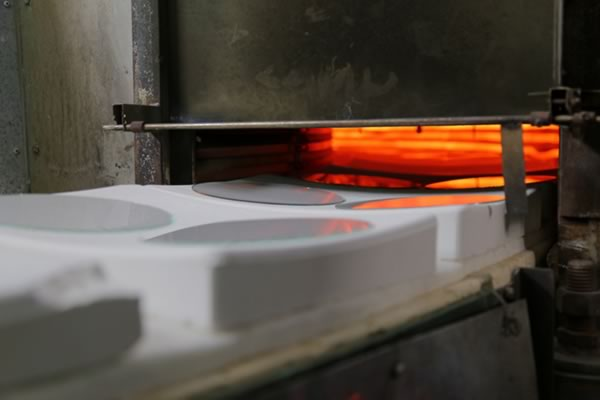
On the glass line, heat isn’t just a number on a chart—it’s control. When furnace zones start drifting or the lamination oven chases temperature, you pay for it in warp, optical distortion, and scrap. We build heating setups that match the thermal profile your process needs, without forcing you to scrap the whole machine. What matters under the hood We spec these modules around medium-wave infrared emitters. They give you high power density, fast response, and minimal convection—exactly what you want when you’re trying to manage the thermal gradient during tempering and bending, and keep a steady soak for EVA/SGP/PVB lamination. Each unit is sized to your voltage, power budget, and zone geometry, with quartz or ceramic assemblies chosen to fit the emissivity window you’re running. The connections are engineered to drop into standard fittings, and the mounting footprint is laid out for a direct swap. Why this keeps your line honest It comes down to uptime and yield. The module installs as a direct replacement, so you don’t have to tear out conveyors, re-run controls, or revalidate the entire oven. You get consistent heating across the glass surface, which helps cut thermal stress fractures and keeps optical quality in spec. Energy use comes down because the system heats on demand and holds temperature with less overshoot, and cycle times stay stable because it snaps back quickly between product changeovers. Here’s the practical part Compatibility only counts if the install is truly drop-in. Give us your machine brand and the exact dimensions of the existing heater, and we match the interface—mounting points, leads, and terminals lined up. On older presses, expect minor tweaks; thermal expansion can shift alignment over the years. A quick shim and a recheck of the sealing path is normal. Schedule the swap in a planned down window, and verify your control settings against the new emitter curve before you push back into full production.