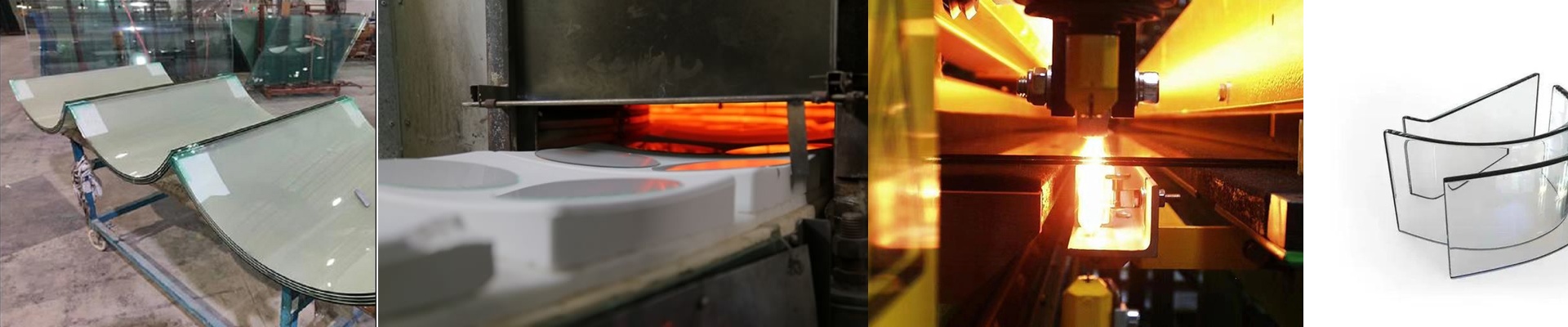
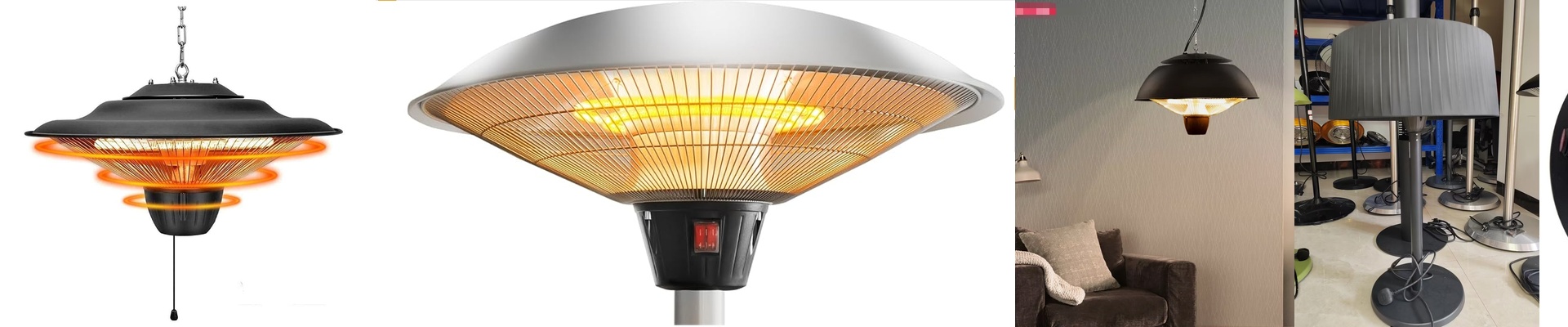

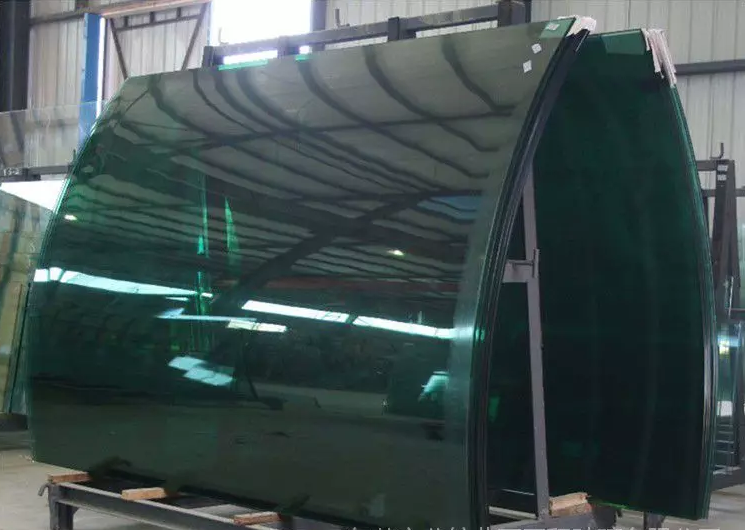
On a tempering line, the bending heater is where the clock and the energy meter really start to run. Uneven thermal field? You’ll see stress fractures show up after quench. Slow ramp-up? The furnace sits idle while glass backs up at the entrance. We built our tempered glass bending heaters to stop those two headaches—energy waste and yield loss—right where they start. What actually matters under the hood We run short-wave infrared quartz elements, so energy goes straight into the glass surface with minimal convection loss. That gives you fast response and tight control over the thermal profile during bending. We size the system around your glass thickness and cycle rate, so power density stays predictable and you don’t cook hot spots. Uniformity comes from zoned control, keeping the center and the edges in the same temperature window. In practice, that means fewer optical distortions and a bend radius you can count on, shift after shift. Why this hits in real production In high-throughput tempering and bending, time is heat—and heat is money. Our heaters get to setpoint fast, shrinking the warm-up gap between batches and keeping the furnace in steady state. That stabilizes glass temperature before quench, so you cut breakage from thermal shock. Energy use drops because the system spends less time idling and less time overshooting. For a 24/7 plant, that shows up as lower kWh per square meter and fewer units scrapped. The shop-floor details you’ll want to get right These heaters are built for industrial duty, but they still need the right environment. Keep the quartz elements clean and dry, and match airflow to the rated cooling so emissivity stays stable and element life holds up. Installation is straightforward on standard furnace footprints, but full integration with your PLC and safety interlocks needs a planned commissioning window. You’ll see a meaningful efficiency gain when replacing aging radiant panels, and it’s worth checking that your power distribution can handle the peak load without voltage sag.