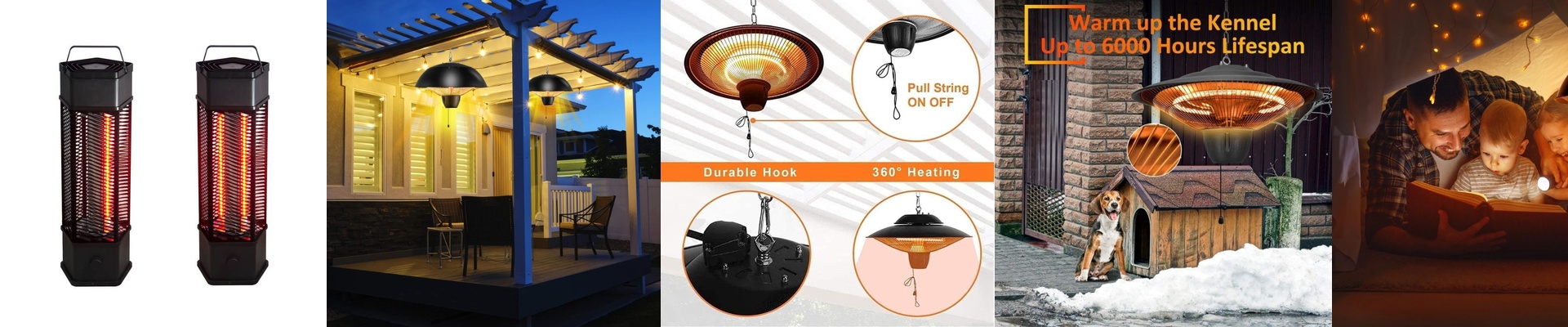
Introduction
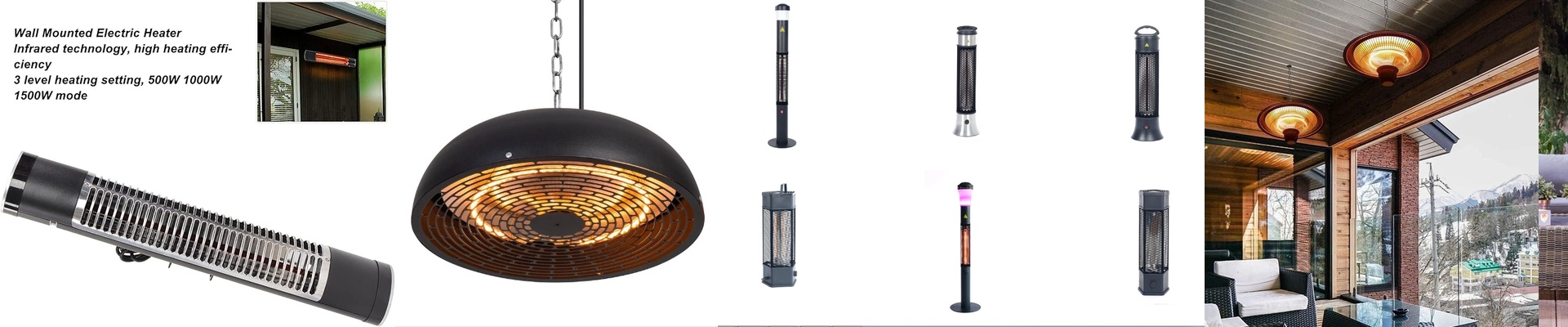
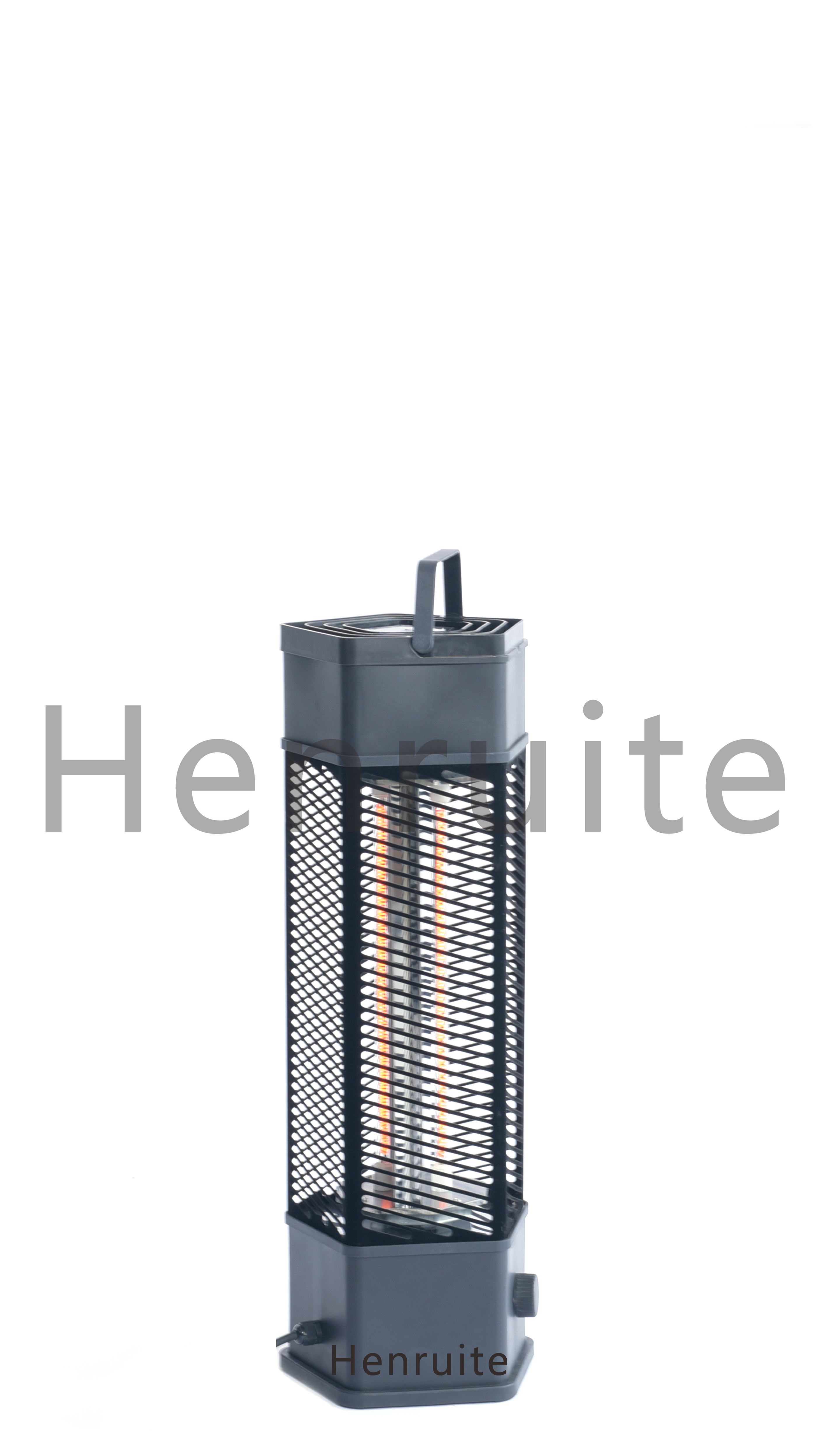
Here’s the thing: we built these plug-in wall heaters for one specific reason. We wanted to give you heat that doesn’t kick up dust or leave the air feeling like a desert. How do we do it? With an infrared halogen lamp. It throws heat directly onto people and objects, completely skipping the air in between. For the folks who run these spaces—engineers and facility managers—that means you get heat without circulating dust. It’s exactly what you need when the air has to stay pure.
The Nitty-Gritty: Power, Voltage, and Size
We spec’d these infrared lamps to be tough—the kind that just keeps going, even in a busy industrial setting. They come ready to run on 230V or 400V, with power ratings that make sense for real-world electrical plans. You’ve got options on size, too. We offer lengths of 300mm, 600mm, and 900mm. That way, you can match the heater to the room, not the other way around. We chose higher voltage for a simple reason: it lowers the amp draw on the circuit. Less current means you can use smaller wires and put less stress on the connections. As for the tube length, that’s what sets the heat pattern. A shorter tube gives you a more focused beam. A longer one spreads the warmth out.
What’s Inside: Halogen, Quartz, and the R7s Base
Inside, you’ll find a halogen capsule wrapped in a quartz envelope. The magic is in the halogen cycle—it puts the evaporated tungsten right back on the filament. This keeps the output steady and gives the filament a longer life, even when it’s running hot. The quartz tube can handle the shock of turning on and off quickly, and it does a great job of letting the infrared energy through. Then there’s the connector: the R7s base. It’s built for high heat, giving you a solid connection that stays put. Installation is straightforward—just slide the lamp in, lock it down, and wire it up. And because the R7s is a standard, swapping out a burnt-out lamp is as easy as it gets.
Why It Works: Clean Heat Where It Matters
Infrared heat is clean by nature. It delivers energy directly, so there’s no fan blowing air across a hot element and sending dust flying. No forced air means no dust getting stirred up, and no dry air. For spaces where allergies are a concern, that’s a big deal. You get stable air quality, without adding extra particles or drying things out. Now, there is one thing to keep in mind: this heat is directional. It goes where you point it, so you’ll want to plan your layout carefully. With a wall heater, you need to map out your coverage zones and make sure there are no cold spots. Just match the lamp’s voltage and wattage to your circuit, and make sure the mounting spot can handle the radiant heat without getting too close to anything flammable.