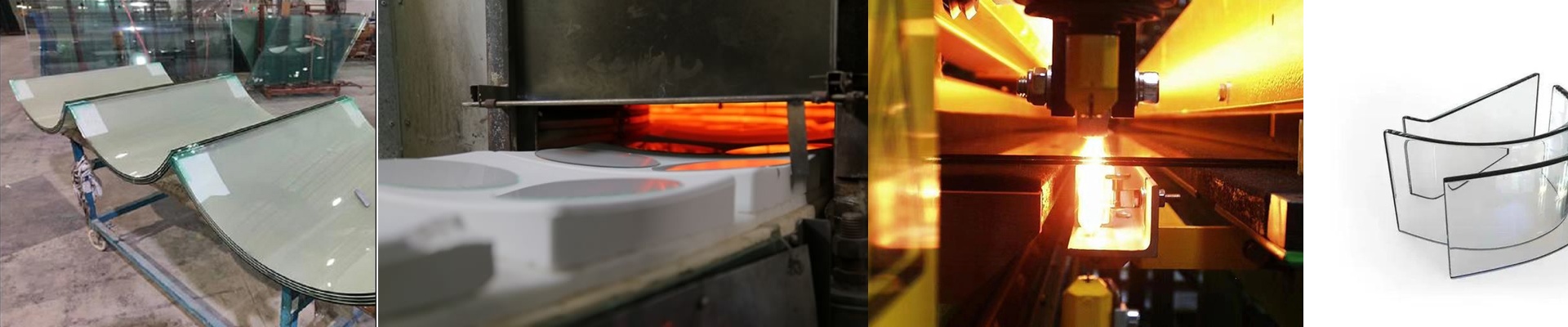

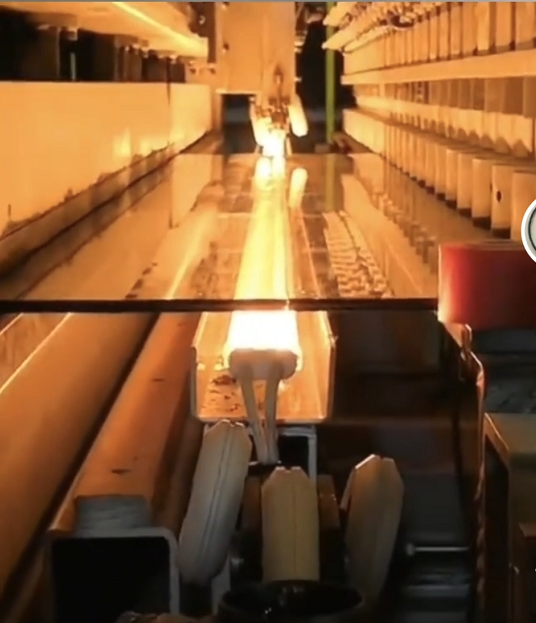
On the floor, a kiln is only as good as its heating elements. If the temperature profile starts to drift during tempering, bending, or lamination, you know it right away—warped glass, thermal stress fractures, and scrap that murders margin. What you need is heat that’s predictable, repeatable, and easy to keep running. What matters, technically We build our kiln heating elements around short-wave infrared (SIR) quartz. The payoff is fast response and high power density without forcing the control system to work overtime. Standard configurations run 120–240 V and 1–3 kW per module, with lengths matched to common kiln zones. The quartz envelope holds stable emissivity cycle after cycle, which helps keep the work surface even. Terminals and ceramic insulators are specced for the vibration and thermal shock you see in a glass plant. For retrofits, we supply drop-in geometries that line up with OEM mounting patterns. Here’s why this choice makes sense in real processes. In tempering and bending, the element has to jump to setpoint and hold steady. That’s how you hit the target surface compression without inviting optical distortion. In EVA/SGP/PVB lamination, controlled, even heat keeps bubbles and edge slip in check—and keeps cycle time tight. In insulating glass sealing, stable zone temperature is what supports a consistent secondary seal bead, so you don’t chase rejects from under-cured adhesive. The fast ramp-up also supports higher throughput, and the focused heat profile keeps wasted energy out of the furnace body. A few shop-floor notes. Installation is straightforward, but alignment is non-negotiable. Elements need to be parallel to the glass path and spaced evenly; otherwise you’ll get hot spots. After startup, expect a short stabilization period while the kiln lining equalizes. Treat element replacement as planned maintenance, not a scramble after a failure. That’s how you protect uptime.