
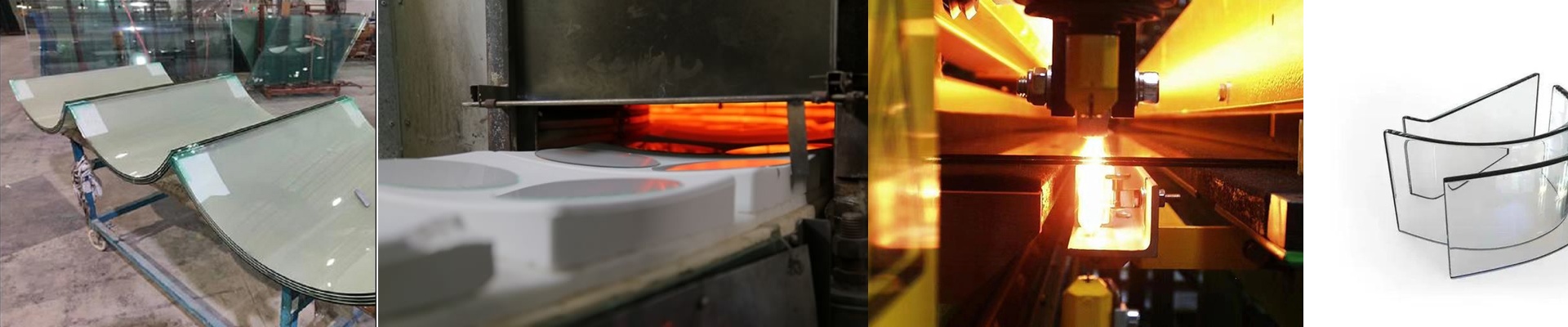
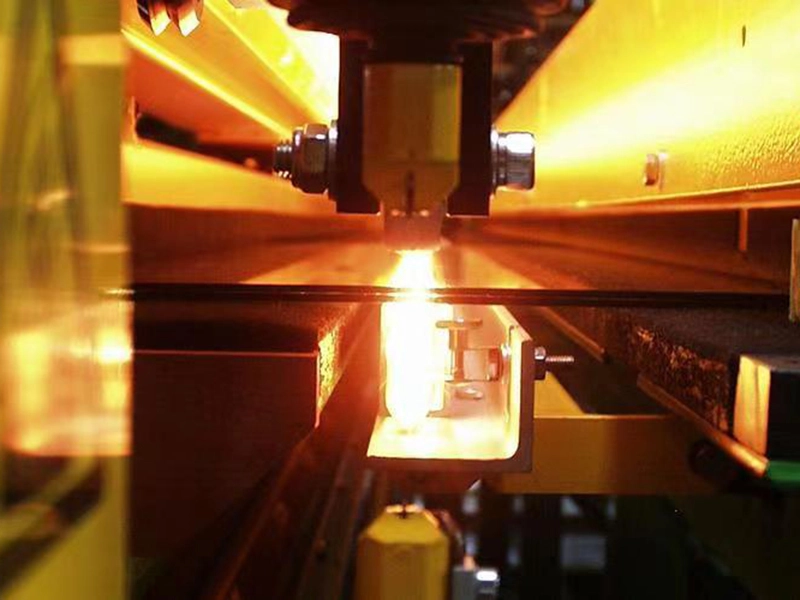
On the line, heat control isn’t a preference—it’s the difference between making good glass and making scrap. In tempering, bending, and lamination, uneven thermal fields are what give you stress fractures, optical distortion, and a pile of rework. The ruby glass infrared lamp was built to fix that, with a stable, controllable heat source that drops straight into the ovens and heating zones you already run. What it’s doing under the hood The ruby glass envelope shapes the infrared spectrum, so you get fast, direct radiation with less loss to convection. That translates to quick ramp-ups and repeatable holds—exactly what you need when the cycle is tight. Typical configurations run 240–480 V, and the compact geometry fits standard ceramic or quartz holders. Across the hot zone, the output is tuned for uniformity, so you’re heating the sheet evenly instead of chasing hot spots that drive thermal stress. Why it behaves in real glass work In tempering, the heating profile sets surface compression and the break pattern. The ruby lamp’s fast, repeatable response helps you shorten cycle time without drifting outside the temperature window your process needs. In lamination and coating drying, it penetrates quickly without overheating the outer plies, which cuts down bubbles, haze, and edge defects. And because the heat goes straight into the target, you’re not wasting energy heating air and oven walls. What you need to get right on install and tuning We supply compatibility kits for common glass machinery brands, with mounting and wiring options that keep installation non-destructive. Output density has to match your line speed and glass thickness—thicker glass needs higher power density to hit target temperature without dragging the cycle. Plan on proper cooling and clean mounting surfaces; that’s what keeps alignment and prevents localized hot zones from creeping back in.