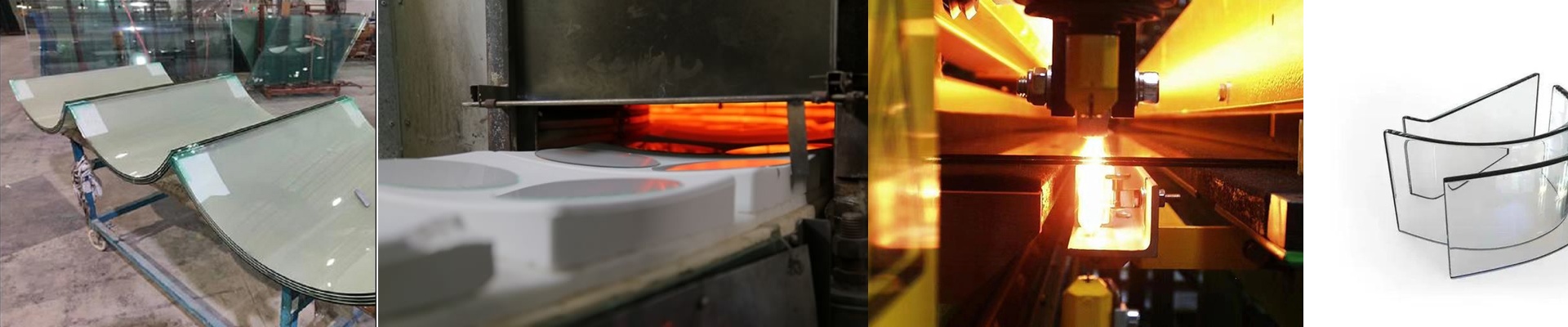

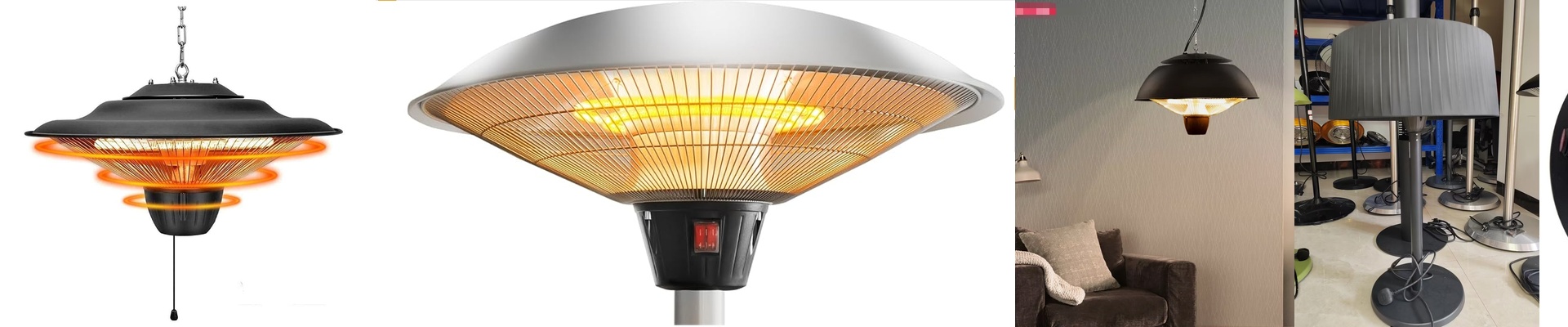


On the insulating glass line, sealant drying is where the margin for error shrinks to almost nothing. Too little heat and the adhesive stays under-cured; too much and you risk thermal stress in the glass, or you soften the primary seal. The result is scrapped units, callbacks, and line speed that collapses when you slow down to babysit the zone. We built our glass sealant drying infrared lamps to remove that guesswork. What matters technically We use short-wave infrared (NIR) emitters in a quartz envelope, tuned for rapid, surface-directed heating with minimal convection. The spectral output peaks where the sealant absorbs efficiently, so you drive cure without overheating the glass edge. In practice, that means a fast ramp to set temperature, tight control across the width of the bead, and repeatable output after repeated cold starts. Output density is matched to industrial duty cycles, and the lamp body is designed as a direct replacement module—same mounting, same electrical footprint, so you can swap without re-engineering the machine guarding or airflow. Insulating glass sealing is a timing problem. You need the secondary sealant to reach handling strength fast enough to keep the line moving, while the primary seal stays untouched. Infrared drying gives you that speed with localized heat: the bead heats, the spacer and glass stay cooler, and you avoid uneven expansion that can induce stress fractures. The payoff is higher first-pass yield, fewer rejects from bubbles or weak adhesion, and stable cycle times. Energy use drops because you heat the target, not the whole bay. Here is the thing with infrared: it’s line-of-sight. Keep the emitter face clean, and keep reflectors intact—any coating degradation scatters energy and creates hot and cold spots. Also, verify your sealant chemistry against your lamp spectrum; some formulations cure best in a narrow band, and mismatched curves will stretch dwell time. Expect a short warm-up, and plan for thermal expansion in the mounting—use the included clearances and locking points, or you will see drift under sustained heat.