
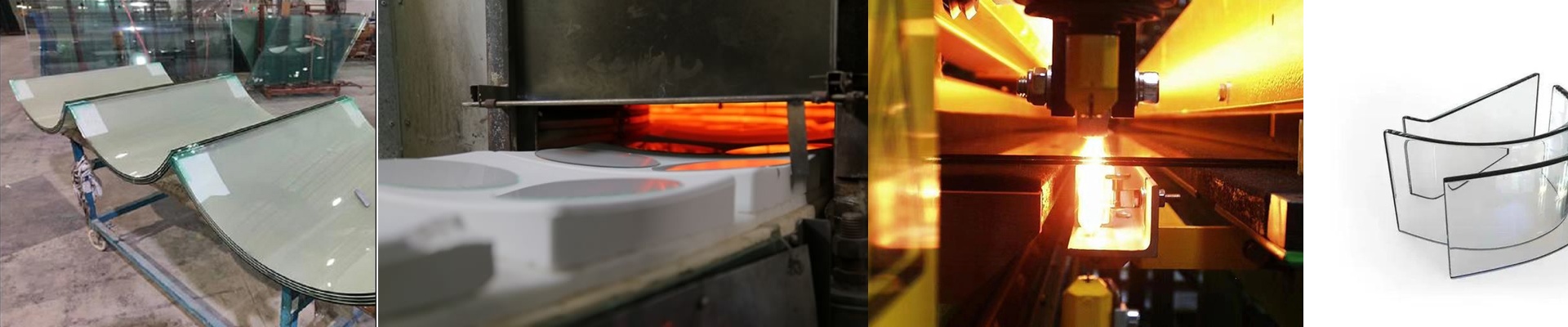
On the glass line, heat isn’t just temperature—it’s control. When the furnace belt picks up speed, the 230V infrared quartz lamp responds fast and repeats the same output shot after shot. You stop chasing thermal lag through every tempering and bending cycle. What matters, technically The lamp runs on 230V, which lines up with standard plant power and keeps rewiring simple. Infrared energy hits the absorption profile of the glass surface and the coatings, so you shorten soak time and cut down on unwanted convection. The quartz envelope handles thermal shock and holds stable emissivity, which means output stays consistent across repeated heat-cool profiles. You get quick ramp-up, tight temperature uniformity across the heating zone, and predictable behavior when you swap modules. Why it plays well where we work In tempering, uniform heating keeps thermal stress in check and holds optical distortion down. In bending, the lamp gives you a clean, controllable thermal front, so the glass takes the mold shape without thinning or wrinkling. For lamination and coating drying, that same heat profile dries interlayers and cures films faster, tightening the process window and cutting rejects. The payoff is more parts per hour, fewer scrapped sheets, and lower kWh per unit. Here’s what to keep in mind Installation is straightforward, but the lamp has to be matched to the reflector geometry and the control strategy of your line. Keep the quartz surface clean and verify alignment—dust and misalignment drift the hot spot and you’ll see uneven heating. Plan on scheduled inspections and carry spares. Even with quartz, these lamps are consumables in continuous production, and proactive replacement is how you protect uptime.