
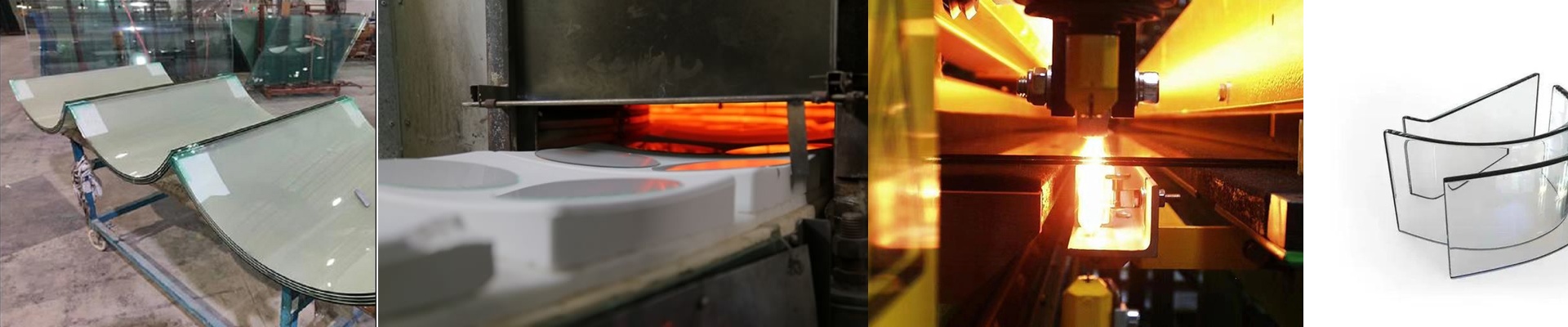
On the mosaic line, drying is the quiet thief of throughput. Convection ovens drag cycles out, and uneven heat leaves behind stress marks that show up as edge cracks and warp. When the schedule is tight, slow, uneven drying isn’t just a bottleneck—it’s scrap waiting to happen. What matters technically We built the mosaic drying lamp around short-wave NIR quartz emitters, tuned to match how the adhesive and coating actually absorb energy on glass. That puts the heat right where it’s needed—into the bond line—instead of wasting it on the surrounding air. The output is set for industrial duty, with fast ramp-up and stable temperature control so the thermal profile stays repeatable shift after shift. The emitter array is laid out to give a uniform thermal field across the mosaic sheet, so you don’t get hot spots that drive differential expansion and thermal stress. In practice, control stays simple: set the intensity, hold the dwell, and the process runs with less drift. Why it works in mosaic work On mosaic assembly, you need the adhesive to cure fast without overheating the glass or distorting the pattern. NIR penetrates quickly, so curing happens in seconds instead of minutes—takt time drops and you free up floor space. Uniform heating cuts rejects from edge chipping and micro-cracks that show up when one side dries before the other. Energy use falls because you’re heating the target, not the whole chamber. The lamp drops in as a module, so it fits into existing lines with minimal changeover. The things you actually have to watch NIR drying is line-of-sight. Shadowing from fixtures or uneven mosaic layout can create cooler zones, so part presentation and emitter spacing have to be matched. Keep the quartz surface clean—dust and overspray matter. Even a thin film changes emissivity and shifts output. Verify voltage and cooling for your line, and confirm clearance for the lamp body. Plan for routine inspection, and you’ll keep output stable over thousands of hours.