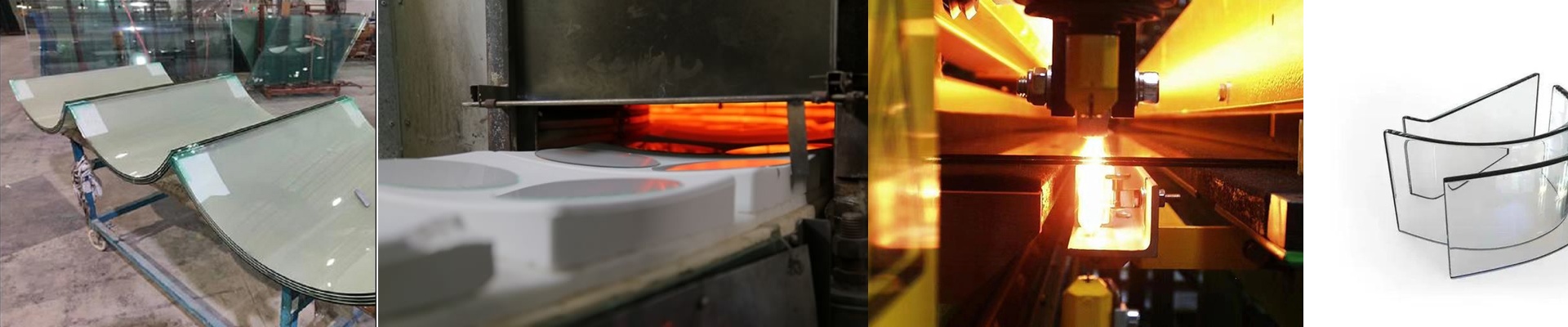
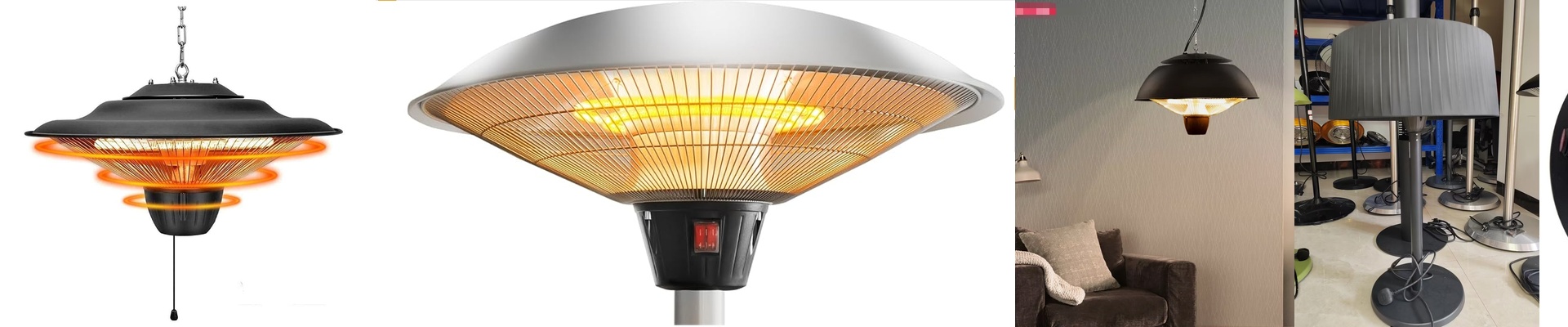

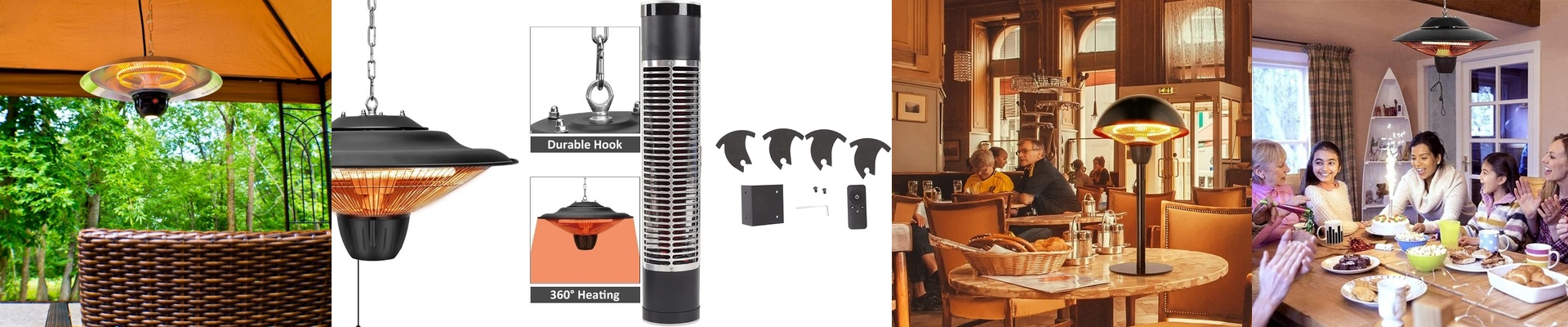
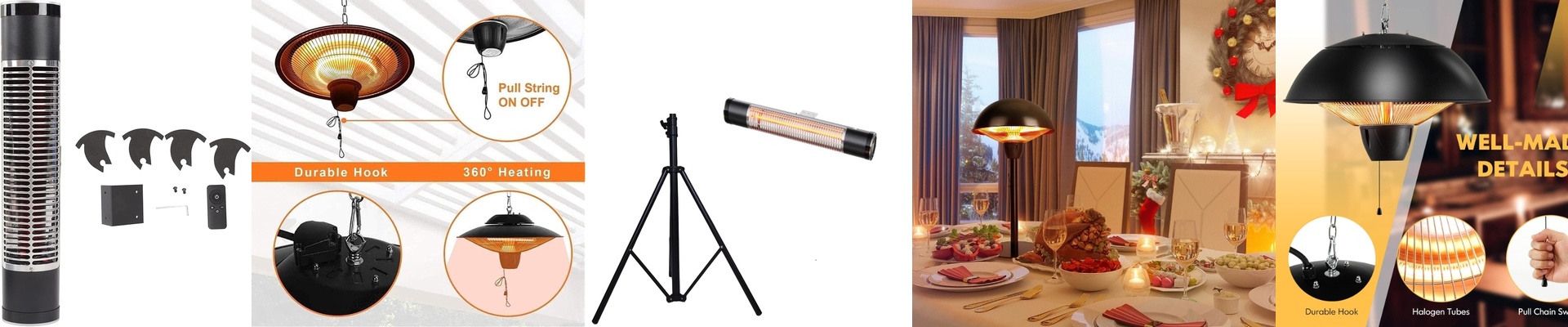
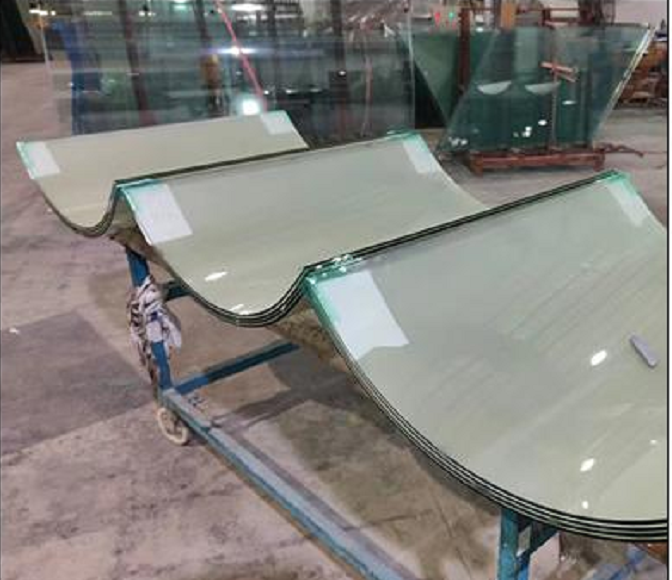
On the bending line, the furnace is where geometry finally meets glass. Let the temperature profile drift and you’ll see optical distortion, waviness, and thermal stress that shows up later as breakage. Temperature isn’t one number here — it’s a stable, repeatable field across the whole load. We build heating systems for bending furnaces that hold setpoint within ±5°C across the chamber, even when batch size and thickness are changing. What matters under the hood We run short-wave quartz heating elements for fast response and tight control, with a spectral output matched to glass emissivity. They ramp quickly so the furnace can chase the curve without overshoot, and the hot-zone layout is arranged to keep edge-to-center differences small. Control comes from multi-zone SCR or IGBT power modules, with thermocouple feedback right in the heart of the glass path, not just on the wall. That’s how we keep convection and radiation in balance so the glass bends exactly to the process card. In automotive bending, repeatability translates to consistent break patterns and fewer optical rejects. In architectural bending, it means the same curvature lot after lot, with less rework. Tight temperature control shortens cycle time by cutting soak and recovery, and it reduces scrap from thermal shock during transfer. Energy use drops because the system heats on demand and holds temperature without wild swings. More good glass per shift, lower per-part cost, and less downtime chasing drift. Retrofitting heating elements into an existing furnace isn’t plug-and-play. Clearances, mounting, and terminal design have to match the chamber geometry and power bus. Before changeover, plan for a proper insulation inspection and confirm thermocouple placement, then verify the voltage and amperage limits in the existing control cabinet. When the fit is right, the shell runs cooler while the glass sees a steadier thermal profile.