
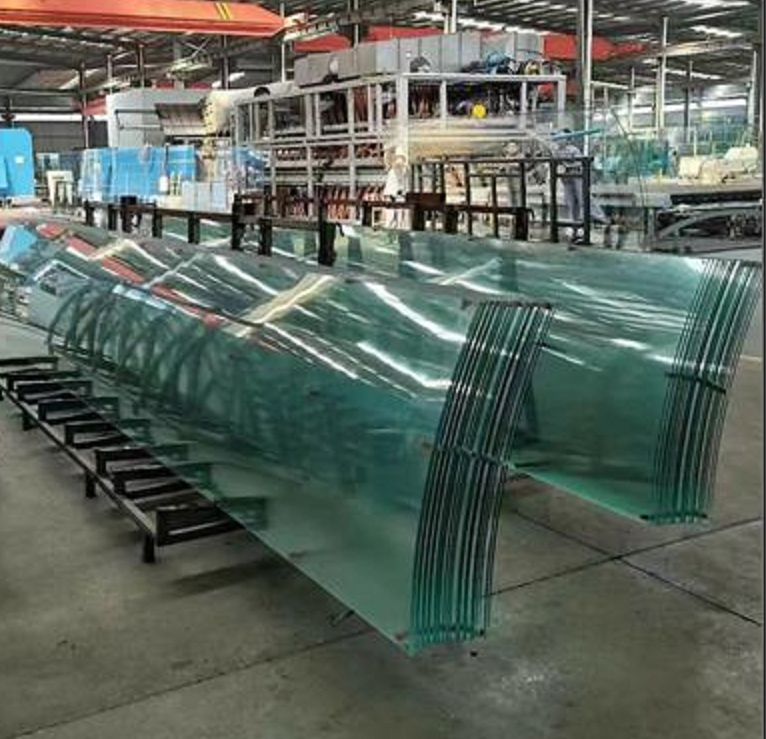
Dealing with the Headache of Long Glass Tunnel Kilns
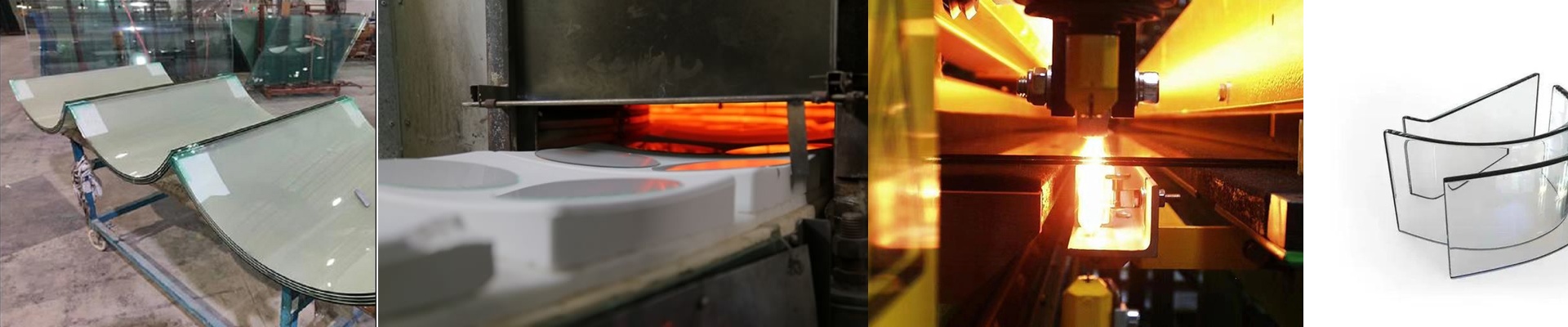
Most infrared lamps stop at 1.5 meters. That sounds like plenty until you’re staring at a massive glass tunnel kiln. When you use those short segments, you end up with these annoying gaps in the heat. Cold spots are a nightmare. They cause the glass to expand unevenly, and before you know it, you’re dealing with stress fractures. To fix this, we just build the units longer. We’re talking continuous heating elements that push past the 2-meter mark. Getting the heat right You can’t just stretch a filament and call it a day. If you do, the resistance shifts, and you’ll likely end up with burnt-out ends or patchy heat. We spend a lot of time obsessing over the wattage-per-centimeter. It’s the only way to make sure the glass hits the right temperature without creating “hot spots” that ruin the batch. One thing to watch out for: your power supply. A 2-meter array pulls a lot of current. If you use cheap wiring, you’ll get voltage drops, and your efficiency will tank. Go with high-grade cabling. It’s worth it. The physics of not breaking things When a tube is over 2 meters, gravity becomes an enemy. If the glass is too thin, it bows. A sagging tube is a broken tube. That’s why we use heavy-wall quartz. It keeps things straight. We also use specific end-caps—like R7s or custom SK mounts—that give the tube room to breathe. Glass expands when it gets hot. If you clamp it too tight, it’ll just snap. The trade-off Here is the honest part. Using these ultra-long units is great because you have fewer connectors. Fewer connectors mean fewer things that can break. But, they’re more fragile to handle. Swapping out a 2.5-meter tube is way more stressful than popping in a small 500mm lamp. You can’t just wing it. You’ll need a slide-out rack or a lifting jig so you don’t accidentally smash the rest of the array. And for the love of everything, keep your spacing exact. If the tube touches the glass, it’s game over. It’ll shatter instantly.