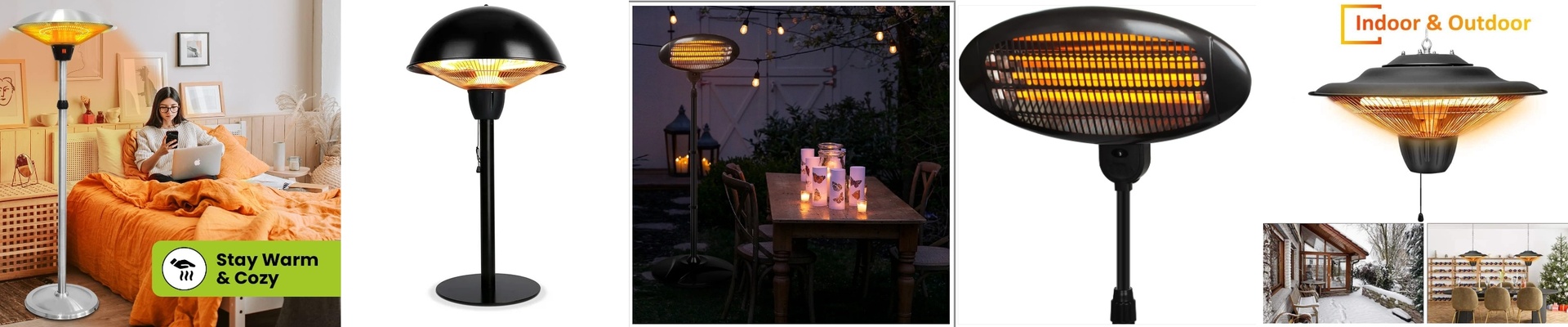
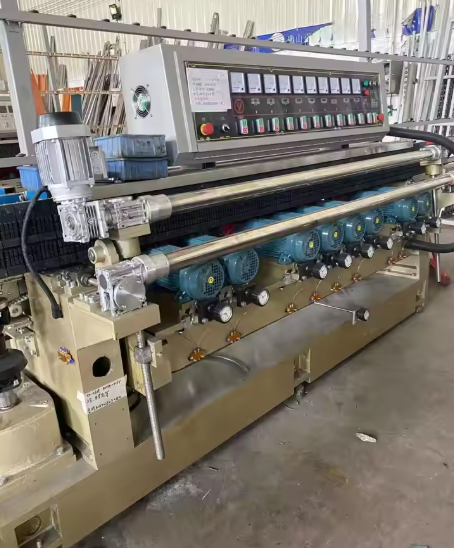
Precision Infrared Control in Glass Bead Annealing
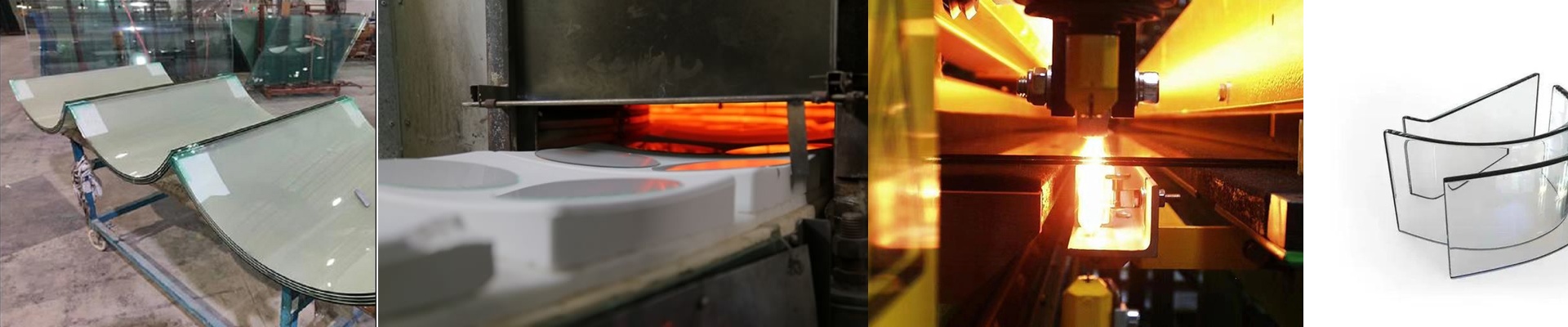
Glass containers used in laboratory settings fail when internal stresses aren’t neutralized. We use infrared heating elements to manage the annealing point—the temperature where glass transitions from a plastic state to a rigid one. If your temperature swings by even a few degrees, you risk spontaneous stress fracture during cooling.
Why 0.1°C Precision Matters
Standard heaters often overshoot their targets. In precision annealing, a 0.1°C tolerance isn’t about luxury; it’s about physics. We use high-frequency PID controllers paired with infrared emitters to maintain a tight thermal window. This prevents “thermal shock,” where the exterior of the glass bead cools faster than the core. When the Delta-T is too wide, the glass pulls against itself. It cracks.
Infrared Heat Transfer vs. Convection
We rely on infrared because it penetrates the glass surface directly. Unlike forced air, which can create cold spots or uneven airflow patterns across a batch of beads, IR radiation provides a uniform heat flux. We spec these heaters to target the specific absorption bands of borosilicate or soda-lime glass. This ensures the heat reaches the center of the bead without overheating the surface.
Real-World Trade-offs
High-precision IR systems require a stable power grid. If your shop floor has significant voltage drops from heavy machinery, your 0.1°C precision will drift. You need a dedicated stabilized power supply to keep the emitters from flickering. Also, these heaters generate intense localized heat; you must spec your housing materials to handle the radiant load or you’ll warp your machine frame. Wire these units into a closed-loop feedback system with a calibrated pyrometer. That is the only way to guarantee the stress is actually gone.