

Stop the Chipping: Why We Use Infrared Preheating
Glass is a pain to work with because it’s so brittle. You score it, you break it, and then you see those annoying little “chip-outs” or jagged edges—usually right at the corners where you least want them. The secret to fixing this? Heat. Specifically, infrared (IR) preheating before the cut.
How it actually works
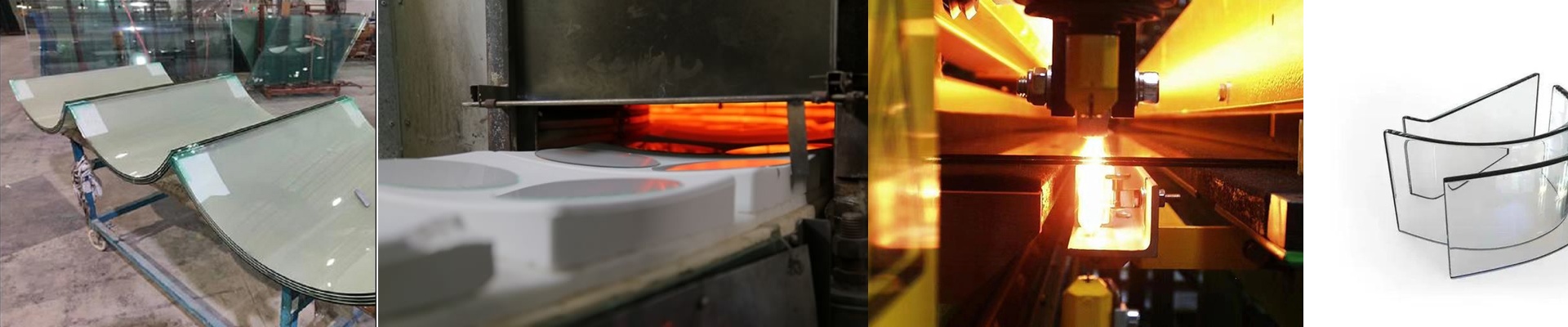
When glass is cold, it’s tense. When the cutting wheel hits it, the surrounding cold material fights back. That struggle is what causes the crack to wander, leaving you with a messy edge. By hitting the glass with shortwave IR lamps, we warm up the surface. We aren’t trying to melt anything here. We just want to relax the material enough so the crack can travel in a straight, clean line. It feels different. The break is smoother. You aren’t fighting the material anymore because the thermal energy handles a lot of that mechanical shock for you.
Getting the lamps right
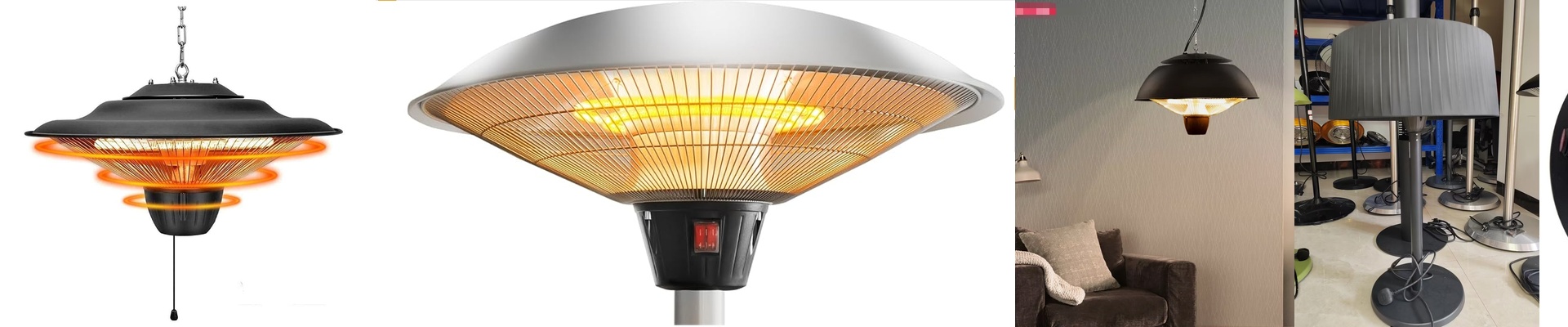
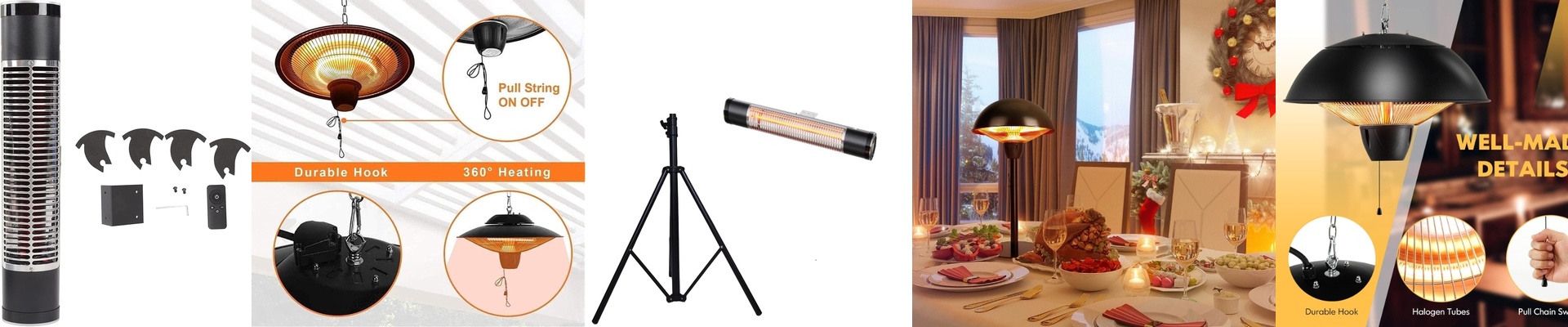
We usually go with shortwave quartz heaters. They’re great because they punch through the surface quickly. You don’t have to let the glass sit and soak in heat for ages; you just want that energy concentrated right where you’re about to score. But you have to be careful. If you crank the heat too high, you’ll create new stresses and the whole sheet might just snap. It’s a balancing act. You’re looking for a sweet spot—usually somewhere between 60°C and 150°C. It depends on how thick your glass is, but that’s where the magic happens.
The reality of the shop floor
Here’s the thing: IR preheaters aren’t a “set it and forget it” solution. If your conveyor is flying too fast, the glass never hits the target temp. You’ll end up right back where you started with jagged edges. You’ve got to make sure your lamp wattage and the time the glass spends under the heat match your line speed perfectly. And please, keep those quartz tubes clean. A bit of dust sounds like nothing, but it kills your radiant output and creates hot spots. That’s a recipe for disaster, as it can actually cause the glass to break before it even hits the cutting head.