
Stop the Chipping: Why Preheating Your Glass Actually Works
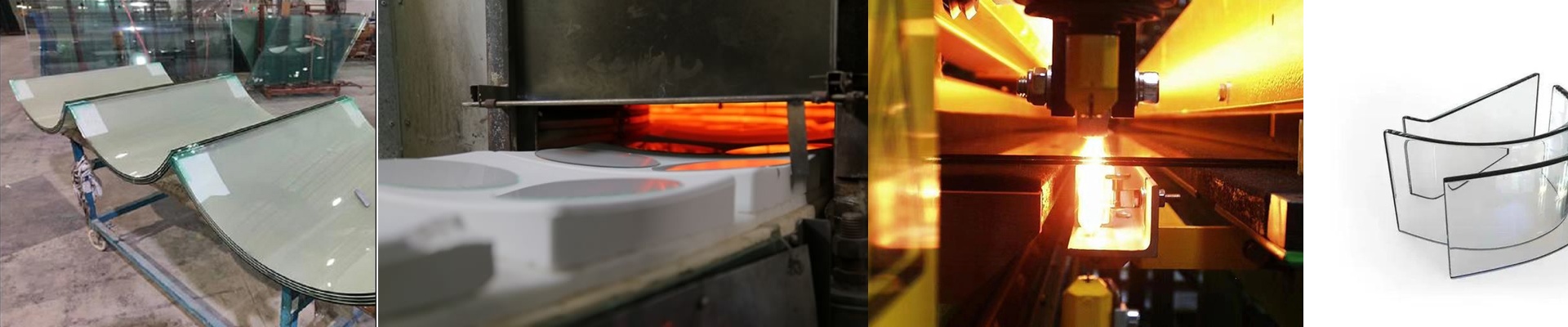
Cutting cold glass is basically a gamble. You score the sheet, you press down, and you just hope for the best. But because of all those internal stresses, you often end up with those annoying chips or corner breakouts that ruin a perfectly good piece. The trick is to stop fighting the glass and start working with it. That’s where infrared (IR) preheating comes in. We warm the glass up before the diamond wheel even touches it, which completely changes how the material reacts. The “Why” Behind the Heat Glass is stubborn and brittle. When we hit it with short-wave infrared radiation, we’re essentially relaxing the surface. It lowers the surface tension and makes the glass a bit more “forgiving.” When the glass is warm, the score line behaves. Instead of the crack branching out in random directions—which is where those chips come from—it follows a straight, clean line. It’s a much smoother process. Picking Your Gear For this, we usually go with high-wattage quartz halogen lamps. They’re great because they heat up fast, which is exactly what you need when you’ve got a conveyor line moving. You need a lot of heat hitting the glass quickly so it reaches the right temperature in just a few seconds. I always recommend short-wave emitters. They soak into the glass much faster than long-wave options. But a word of caution: don’t go overboard. If you crank the wattage too high, you’ll overheat the sheet. That leads to thermal shock or warping, and then you’ve just traded chipping for a warped piece of glass. Not a great trade. Making it Work on the Floor The best way to set this up is with a zoned control system. This lets you tweak the heat depending on how thick your glass is. Thicker sheets just need more time to “soak” in the heat. One thing to remember: these lamps put out a ton of ambient heat. If your fans and ventilation aren’t up to the task, you’re going to fry your wiring and sensors. It’s a mess you don’t want to clean up. Also, make sure your team has proper shielding. IR exposure isn’t something you want to mess with. And here’s a pro tip: have a few spare lamps ready to go. When a tube eventually blows—and it will—you can just swap it out and get back to work without losing half your shift.