
Stop the Cracks: Why 0.1°C Matters for Your Lab Glass
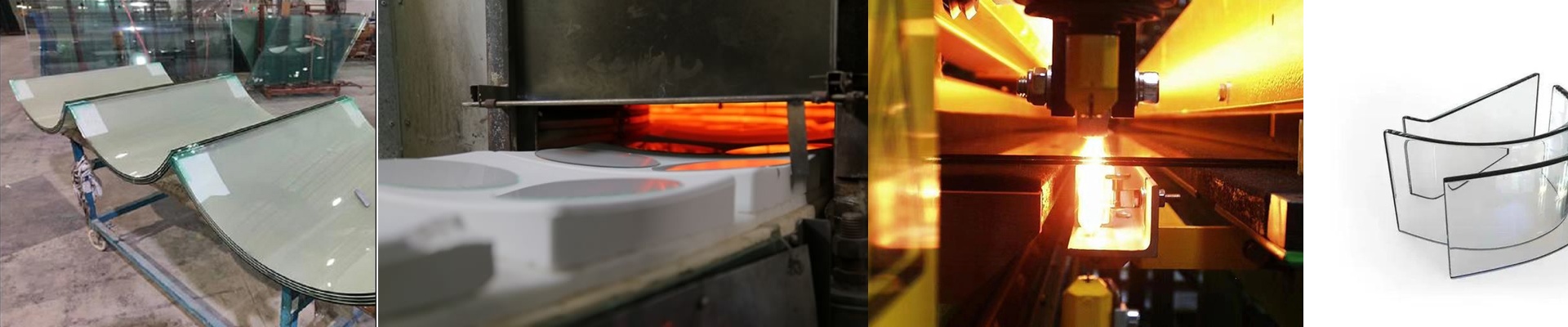
Anyone who’s worked with lab glassware knows that feeling of dread when you see a stress fracture. You’ve spent hours on a piece, only for it to fail because the cooling phase went sideways. It’s frustrating. The problem is usually internal stress. If the temperature swings too much while the glass is cooling, it snaps. That’s why we use high-precision infrared (IR) elements in our batch furnaces. We keep the glass right at its annealing point, and we keep it there within a tiny 0.1°C window. The trick is how we heat it. Most furnaces use resistive coils. Those are slow. They heat the air, and then the air has to heat the glass. It’s a laggy process. IR elements are different. They skip the middleman and beam energy directly into the glass surface. To get that 0.1°C precision, we pair those elements with fast PID controllers and high-frequency switching. It lets us tweak the power instantly. You don’t get that annoying “overshoot” where the furnace gets too hot and accidentally ruins the whole batch. It’s all about the heat map. If your heat isn’t uniform, you’re just trading one problem for another. A “hot spot” in the furnace creates new stresses while you’re trying to get rid of the old ones. To stop that, we use quartz-encapsulated filaments. It keeps the light and heat steady. The best part? IR elements are dense. You can get the same soak time in a much smaller chamber, which saves a ton of floor space. But here’s the catch: you can’t skimp on the insulation. Since the heat is so intense, any leak in the furnace shell will make the controller go crazy trying to compensate. If the shell isn’t tight, you lose that precision. Making it work in the real world. When we set these up in a batch furnace, we don’t just throw them in. We stagger the elements. We want the glass hit from every single angle so there are no cold zones left behind. For the people on the floor, this just means fewer rejects. It means the trip from the blow-mold to the shipping crate is faster and a lot less stressful.