Why We Use Explosion-Proof Quartz in Our Infrared Heaters
Bathrooms are a nightmare for electronics. You’ve got thick steam, high humidity, and wild temperature swings happening all at once. If you put a standard heating lamp in a shower, you’re playing a dangerous game with “thermal shock.” Imagine a lamp running at full blast—glowing red hot—and then a single, cold drop of water hits the glass. With cheap quartz, that’s usually when things go pop.
Dealing with the Stress
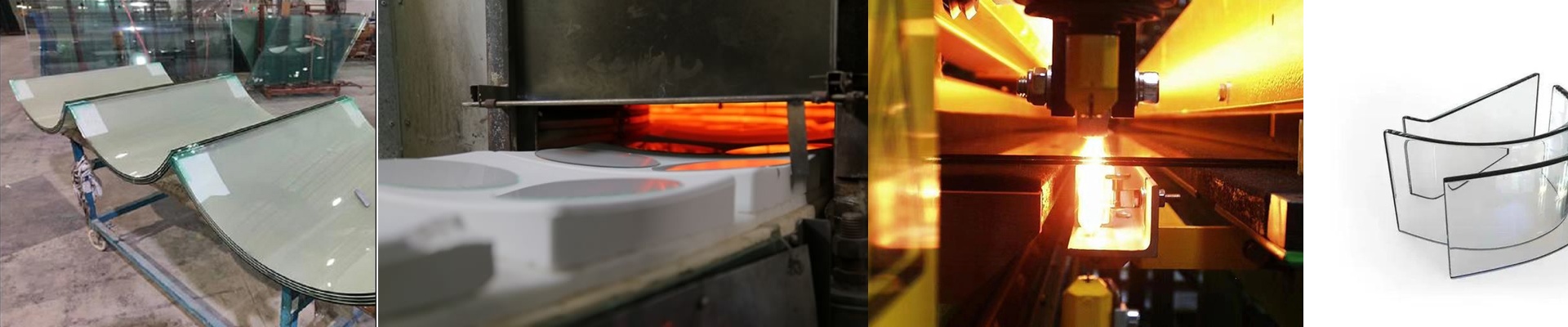
To stop that from happening, we use explosion-proof quartz. It’s not just regular glass. We put these tubes through a tempering and chemical strengthening process. Think of it like giving the glass a suit of armor. It can take a sudden plunge in temperature without cracking. And if the worst happens and a tube does break? It won’t shatter into dangerous, jagged shards. Instead, it’s designed to crumble into small, blunt pieces. It’s just a safer way to build things.
The Guts of the Heater
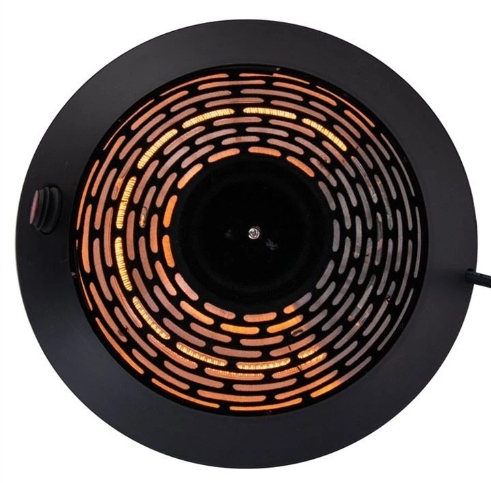
Inside the tube, there’s a tungsten filament wrapped in halogen gas. The halogen is the secret sauce here. It lets us crank the heat higher, which sends out short-wave infrared radiation. The best part? You feel the heat instantly. You aren’t waiting for the air in the room to warm up; the heat hits your skin the second you flip the switch. Because these live in wet zones, the seal between the quartz and the end caps has to be perfect. If even a tiny bit of air leaks in, the filament oxidizes and the whole thing burns out. No exceptions.
A Few Things to Keep in Mind
The heat is fast and powerful, but it’s intense. That quartz tube getsscary hot. You’ve got to make sure your housing has plenty of airflow and the guard is wired up tight. You really don’t want anyone accidentally touching the glass. Also, don’t ignore the venting. If the air can’t move, that trapped heat can actually start to warp or degrade the plastic housing over time. Just stick to the rated wattage and you’ll be fine.