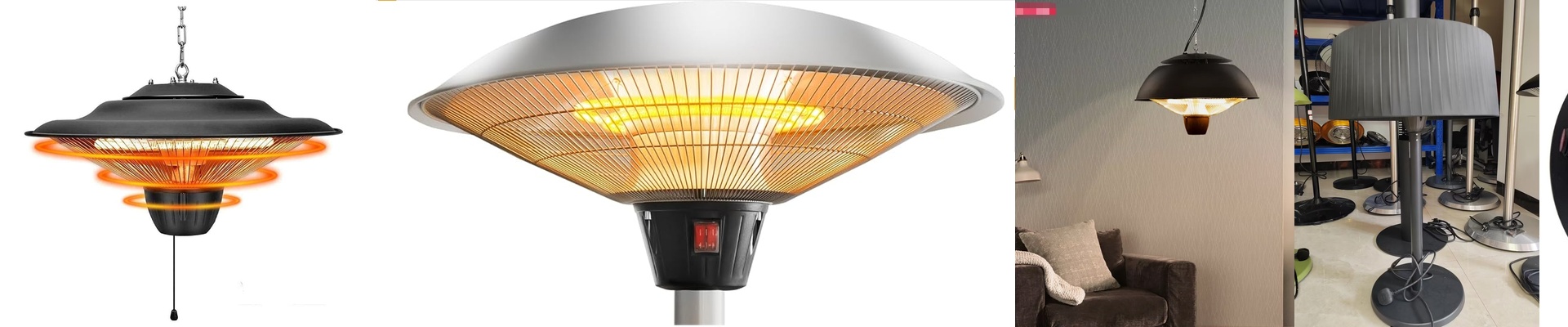
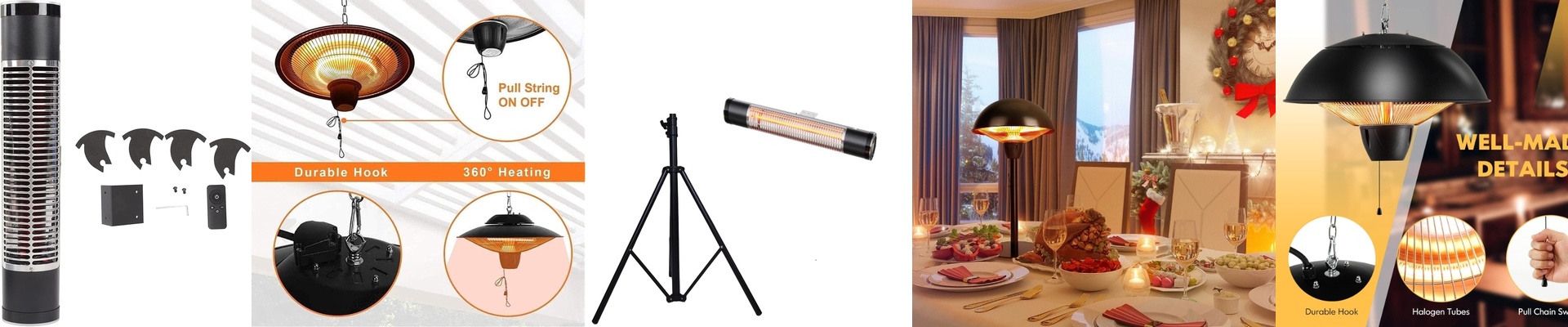


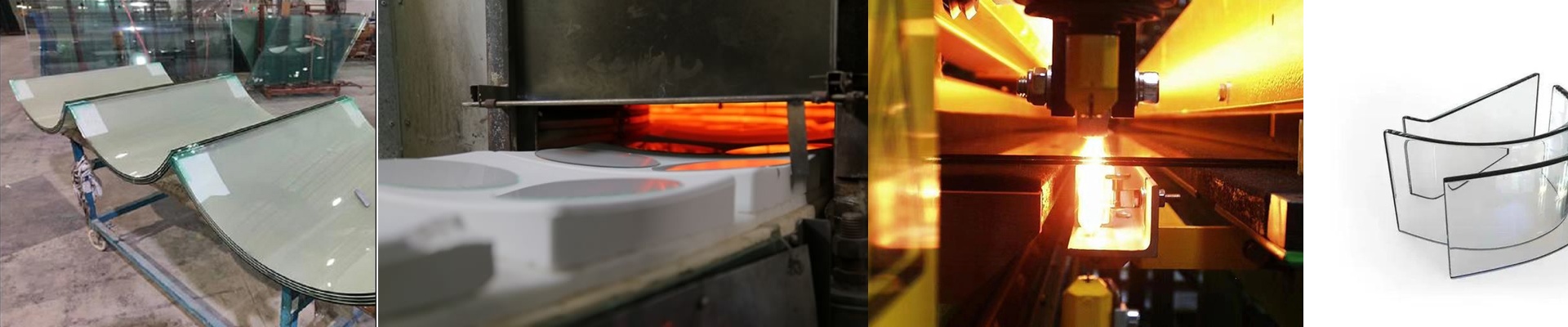
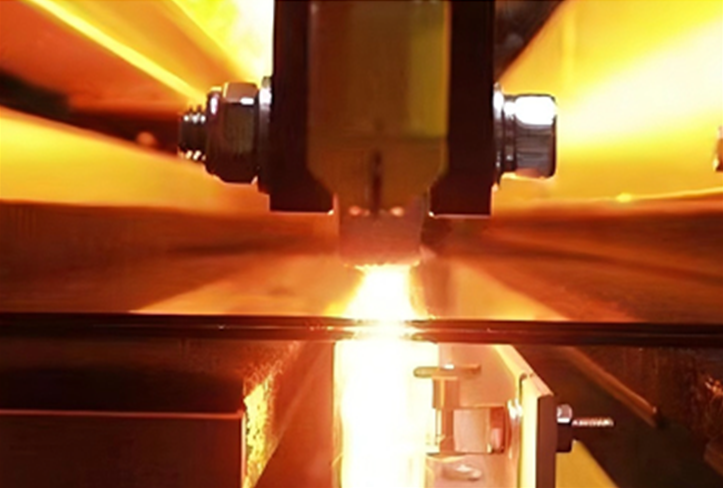
On the glass line, heat isn’t just temperature—it’s control. A slow ramp in the bending furnace holds up the whole shift. Uneven heating across the lehr puts thermal stress into the glass, and you’ll see it later as spontaneous breakage. We built a high power density IR heater to put repeatable heat exactly where the process needs it, when it needs it. What matters, technically This unit is short-wave quartz IR, designed for high power density without giving up stability. It responds fast—seconds to hit setpoint—so tempering and lamination cycles don’t wait around for thermal mass to catch up. The filament layout and reflector geometry shape a uniform thermal field, which cuts down the hot spots that cause optical distortion or bow. Electrical specs are matched to industrial lines, with solid terminals and standard mounting so it drops in and goes to work. Output stays consistent through repeated thermal shocks, and the quartz envelope stands up to the plant environment—dust, humidity, and rapid cycling. Why it plays in our world In tempering, the quench needs uniform heat across the glass surface to get the stress profile right. In EVA/SGP/PVB lamination, the adhesive needs a precise, even thermal window so it flows and bonds without bubbles. This IR heater shortens ramp time, tightens dwell control, and reduces temperature drift. The payoff is fewer rejects from optical defects, higher throughput, and lower kWh per square meter because heat is delivered on demand, not left sitting in standby. It integrates cleanly into existing ovens and presses, so you can upgrade the heat without tearing the whole line apart. Here’s what you need to keep straight High power density means paying attention to local conditions. Keep the heater clear of obstructions and maintain airflow so the housing doesn’t run hot. Match the control strategy to the emissivity of the glass and the reflectivity of the fixture—control loops tuned for convection-heavy ovens often need adjusting for IR-dominant heating. Plan for clean power and proper insulation at the mounting interface. Handle those basics, and the heater runs like a dependable workhorse—steady, repeatable, and ready for the next batch.