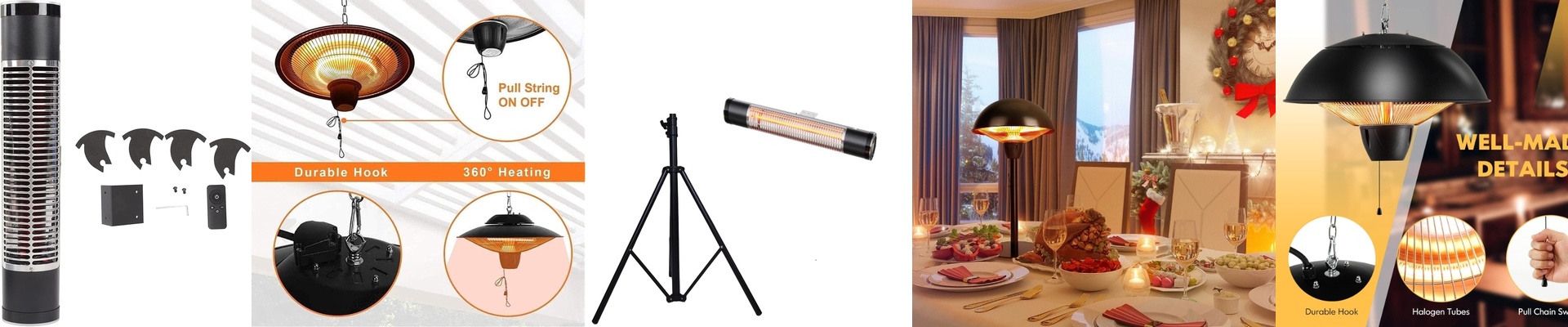
When evening settles and everyone drifts into the living area, the goal isn’t just “warm.” It’s warmth that reaches into your bones, without drying the air or chasing drafts around the room. A mantle fireplace heater is built for exactly that—delivering infrared warmth that hits people first, then the surfaces around you.
What’s actually going on under the hood
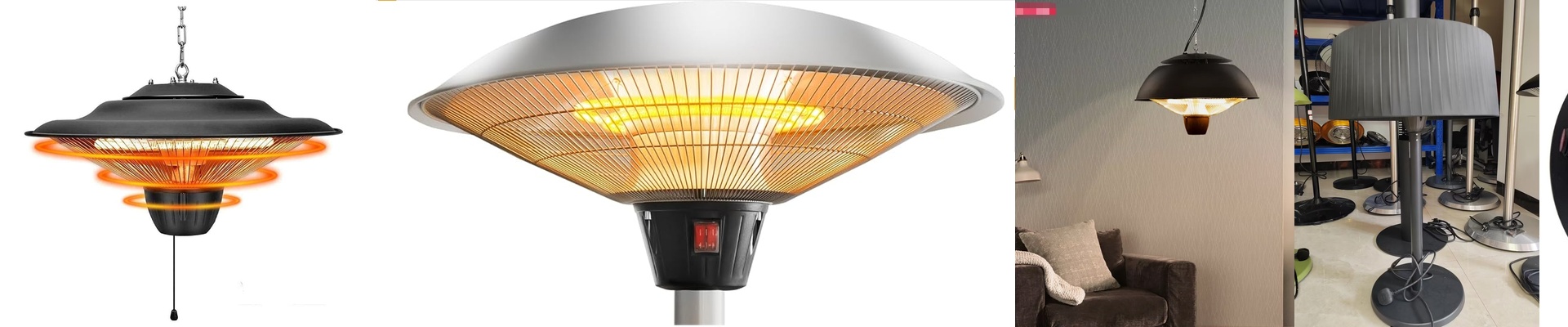
A mantle fireplace heater puts out radiant heat via a long-wave infrared element—usually a quartz tube or a carbon fiber emitter. That output sits in the far-infrared band, so you feel it directly on your skin and it gets absorbed by solid materials, rather than relying on convection to move air around. The payoff is even coverage across floors and furnishings, and a steady warmth that kicks in the moment the unit is powered on. In practice, that means fewer cold pockets, fewer drafts, and a more consistent feel from wall to wall.
Why this approach fits the room—and the family
Infrared warmth can be a solid choice for healthy heating because it encourages circulation. The far-infrared energy penetrates superficial tissue and helps promote blood flow, which supports muscle relaxation and that “warmed from within” feeling. For families, that translates into evenings that run smoother: less shivering while reading or watching TV, and fewer abrupt swings from “too cold” to “too hot.” The mantle design keeps the heater integrated into the room’s layout, so you get the cozy look of a fireplace with the targeted performance of an infrared heater.
The practical details that matter
This is electric radiant heat, so it needs a dedicated outlet on a suitable circuit. For comfort, position the unit where people actually spend time, and let it warm surfaces gradually. **One real-world note:**because infrared warms people and objects directly, the room can feel comfortable at a slightly lower air temperature. But you may still feel cooler air near exterior doors—plan on addressing that with additional outdoor heating or better insulation.