Stop Heating Your Ceilings
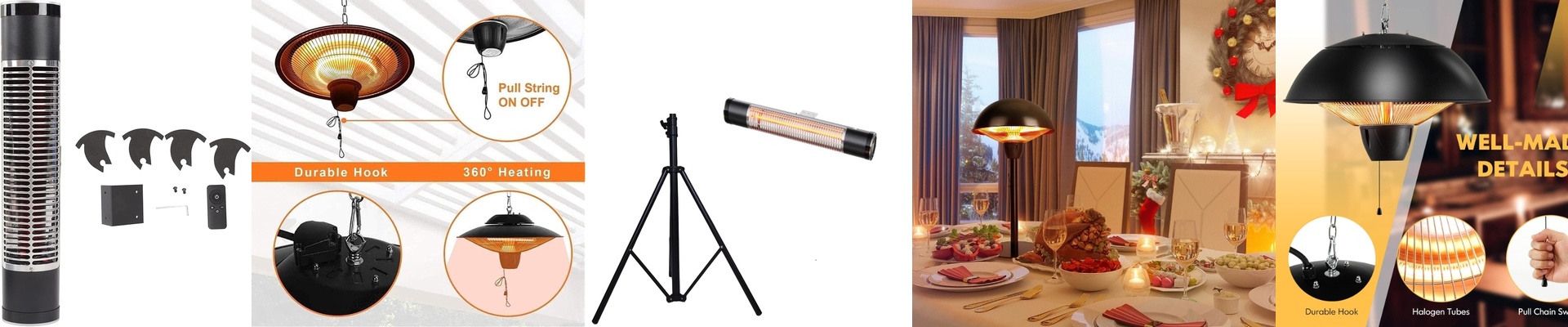
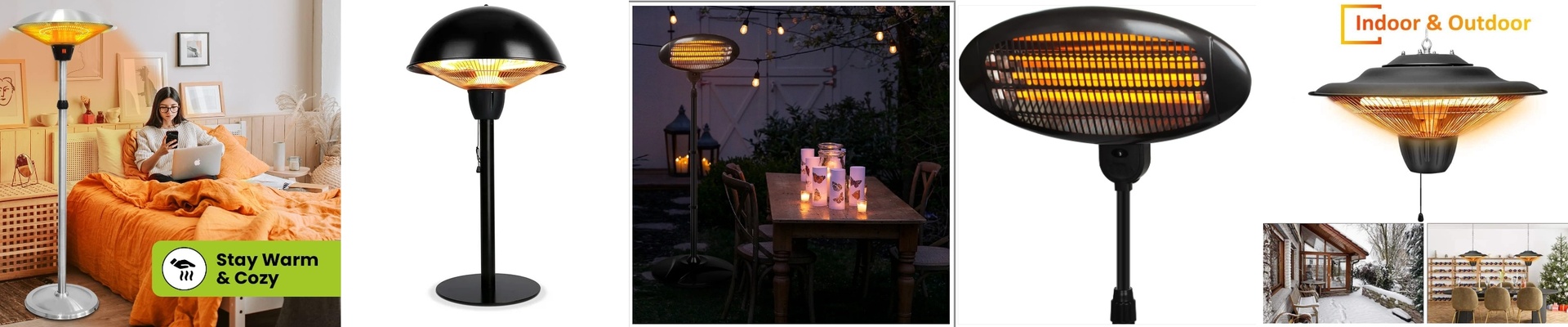
If you’ve ever tried to warm up a massive lobby or a changing room with standard forced-air heating, you know the struggle. It’s a money pit. Heat rises—that’s just how it works. By the time the air reaches the people on the floor, most of your expensive energy is just hanging out at the ceiling where it does absolutely nothing. We handle this differently. Instead of fighting the air, we just ignore it. We use shortwave infrared emitters that beam heat straight down to where it actually matters.
Why this works better than a space heater
Think of a standard heater like trying to warm up a whole swimming pool just to get your toes wet. It takes forever. Infrared is more like a flashlight, but with heat. It travels in a straight line until it hits something solid—like a person or a workout bench. Because we use high-wattage quartz elements, that warmth cuts through the distance from the ceiling to the floor. The best part? You feel it immediately. No waiting around for the room to “warm up.” You just step under the beam and feel that instant hit of warmth on your skin.
Getting the setup right
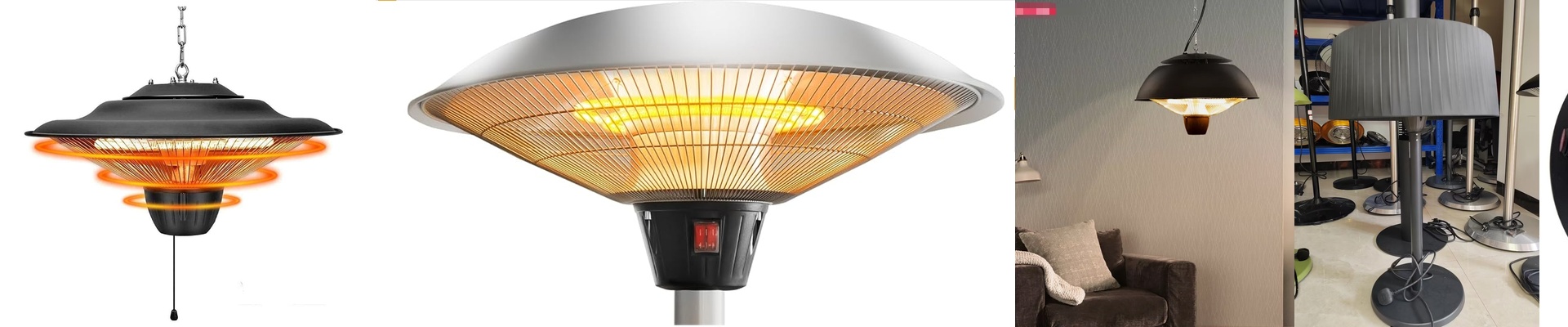
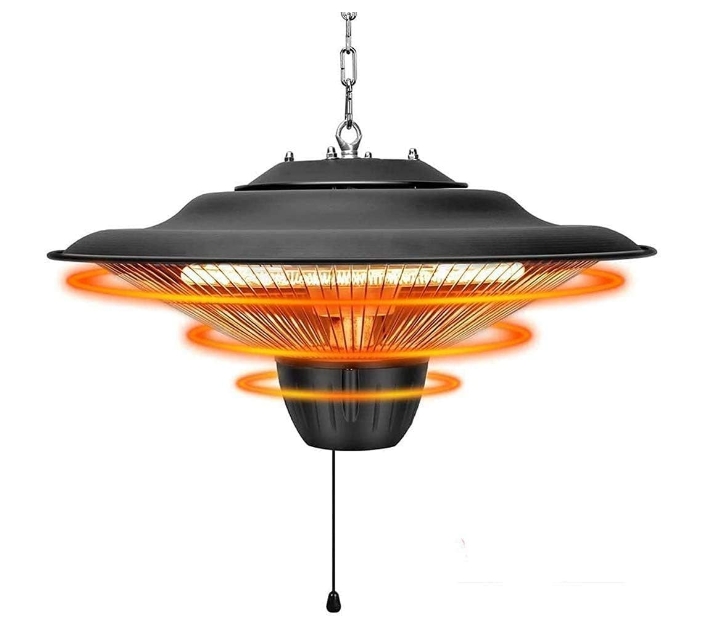
When you’re dealing with high ceilings, you can’t just throw any lamp up there. You need intensity. We stick with shortwave technology because it stays in a tighter beam. Longwave heat tends to scatter, which means you’re wasting energy heating the upper air again. Shortwave stays focused, hitting the target zone and staying there. But you have to be careful with the height. If you mount them too high, the heat loses its punch. Too low? You end up with “hot spots” that make people feel like they’re standing under a heat lamp at a buffet. It’s all about finding that sweet spot.
A few things to keep in mind
These aren’t plug-and-play desk lamps. You’ll need a dedicated circuit because they pull a decent amount of power. Also, since these things heat up almost instantly, they can be brutal on cheap fixtures. That’s why we use heavy-duty reflectors to keep the heat moving downward and protect the gear. One last tip: just be mindful of where you point them. High-intensity radiant heat is powerful. If you aim it directly at fabric lockers or wooden benches for hours on end, you might notice some fading or drying over time. Just give your materials a little breathing room and you’re golden.