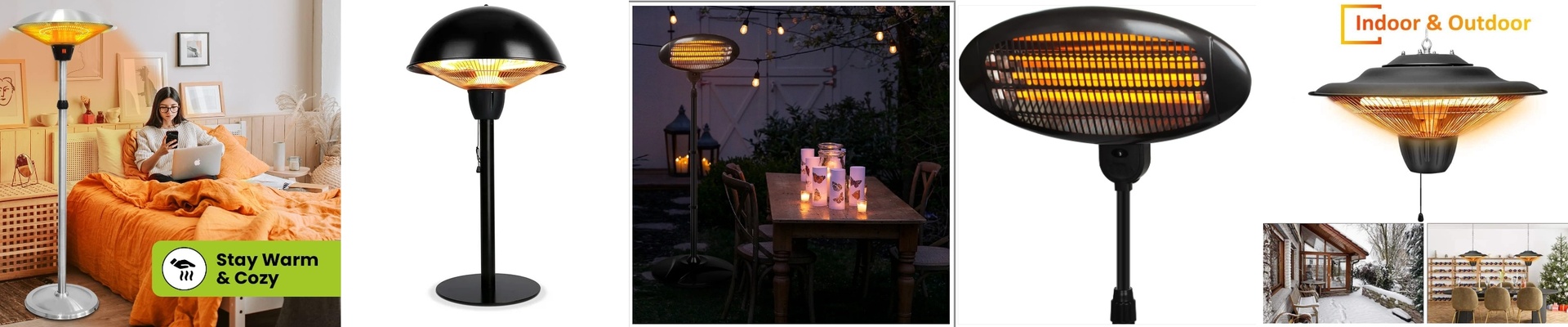
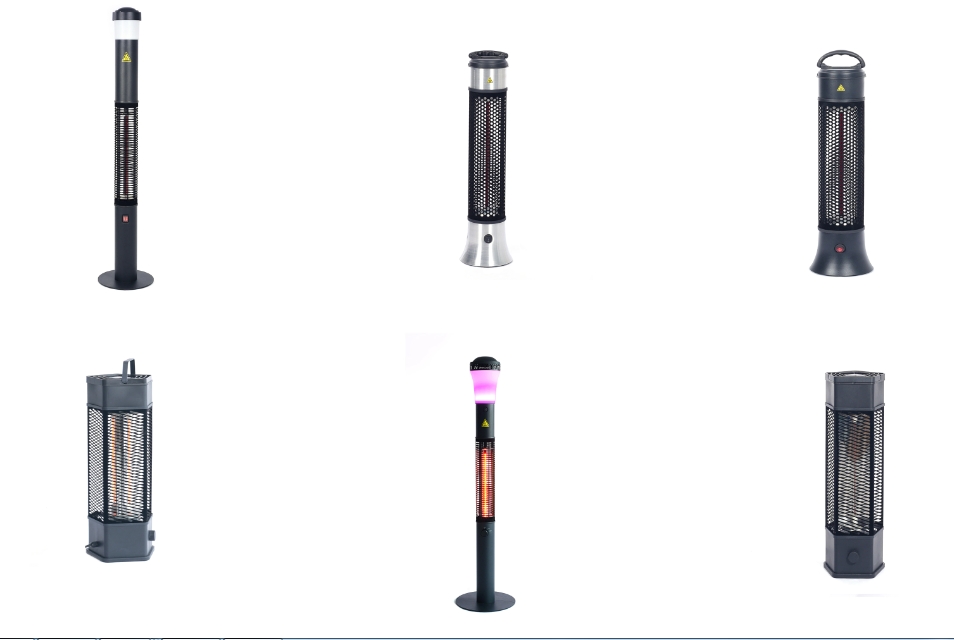
Winter turns offices into a quiet fight against the cold—desks that feel like ice, shoulders that never loosen up. When the air goes thin, focus goes with it, and the sniffles start circulating. Cranking the thermostat only goes so far. The real fix is getting heat where people actually sit.
What matters under the hood
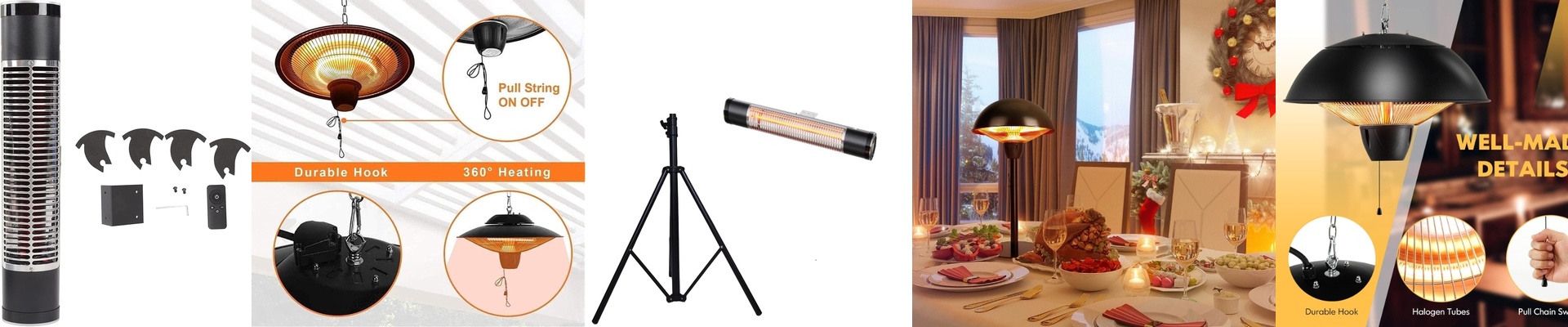
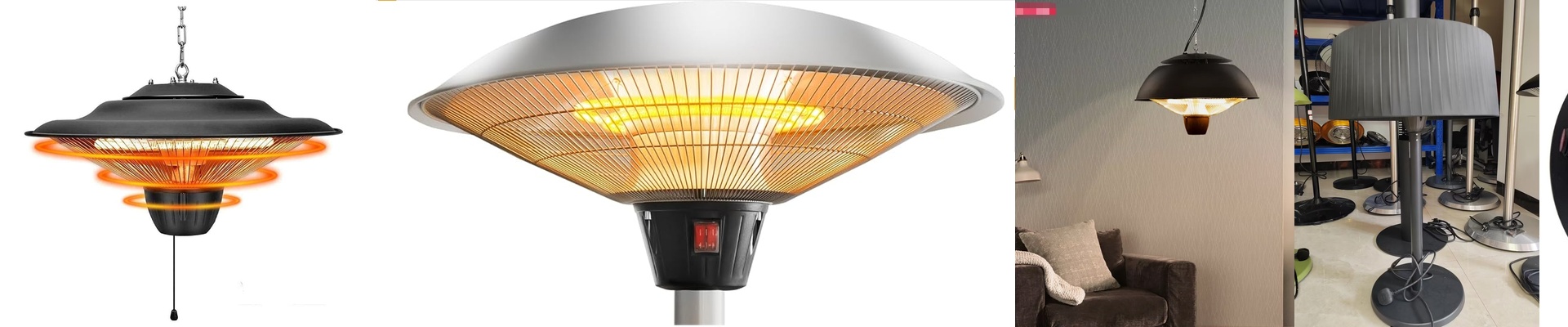
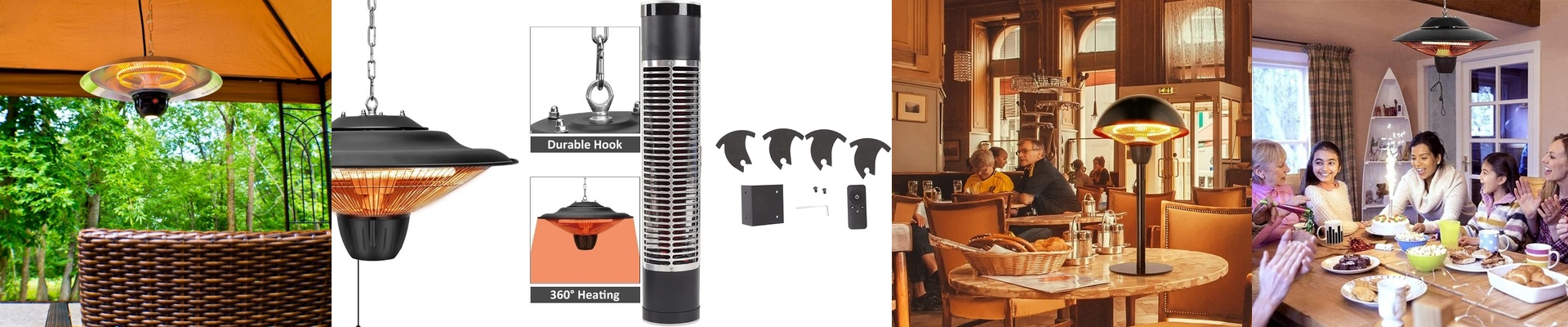
We build our high-power space heaters around infrared radiant warmth. It hits people and surfaces directly, instead of wasting time heating the ceiling air. A high-output quartz or carbon fiber element comes alive fast, so you feel the warmth within seconds of flipping the switch. That translates to less waiting around, fewer drafts, and a steady thermal feel across the room. The units run quiet—no fan noise to interrupt calls or concentration—and they put wattage where it matters: on the occupied zone, not the empty corners.
Why this fits the office
Comfort isn’t a perk in an office; it’s a productivity lever. Infrared warmth keeps hands warm and muscles relaxed, which helps with typing, detail work, and staying dialed in. Because the heat is directional, it doesn’t dry out the air the way forced-air systems do. Throats stay comfortable, and the room doesn’t feel like a desert. That gentler environment is also easier on immune defenses during peak cold season, which can help keep sick-day numbers down. The upshot is fewer temperature complaints and a workflow that doesn’t keep getting interrupted.
The practical details
Infrared heaters are meant to warm people and nearby surfaces, so they shine in targeted setups—by desks, in meeting areas, or along drafty perimeter zones. For the best result, position the unit so it has line-of-sight to where people sit, and keep clearances clear. Most models plug into standard outlets, but the high-wattage units may need a dedicated circuit. Check the label and your office wiring before you settle on a spot. And expect this: the heat arrives fast, but the surrounding air won’t feel as warm as it does with forced-air.It’s steady comfort, not a blast of hot air.