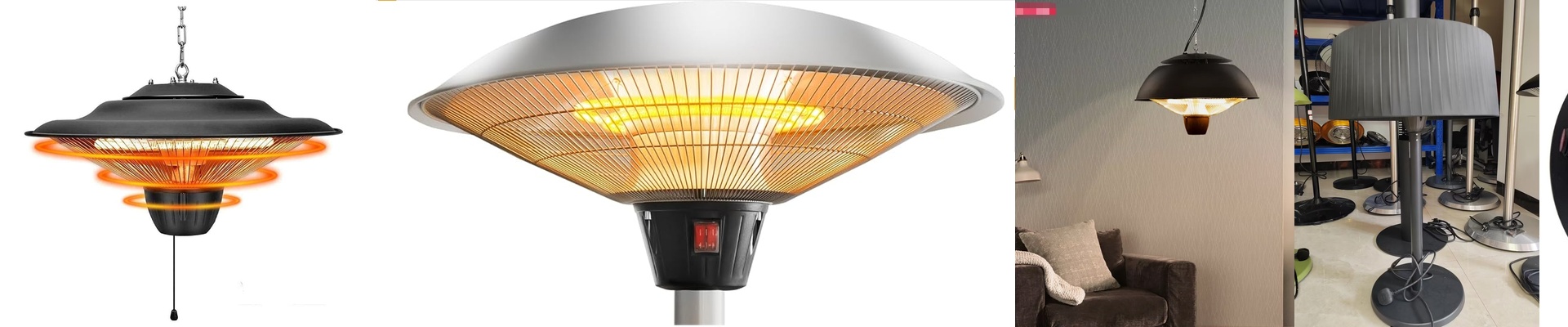
Winter turns a quiet tent into a cold-shoulder test. Pages stiffen, fingers fumble, and all your focus drifts to just staying warm. A standard heater pushes hot air upward, and it’s gone before it reaches you. What you need is warmth that lands where you are, not where the ceiling is.
What matters, technically
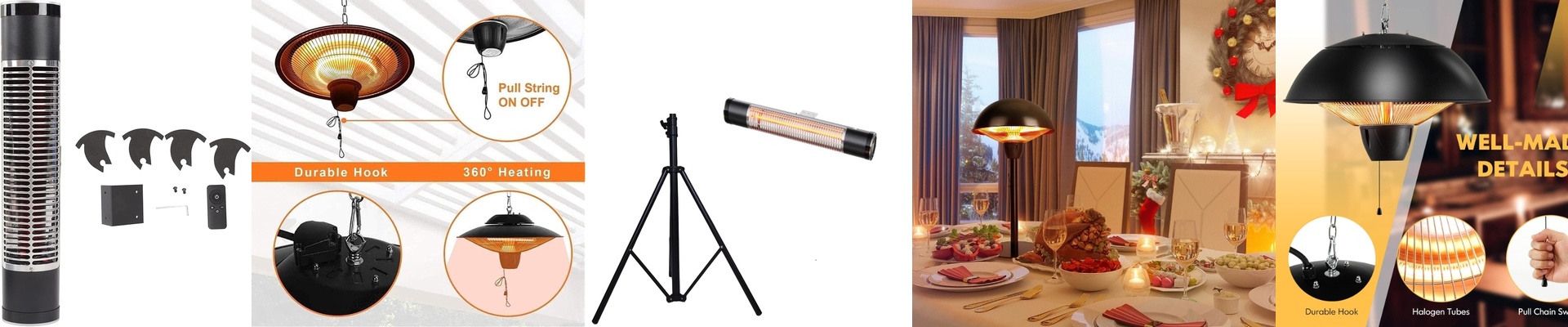
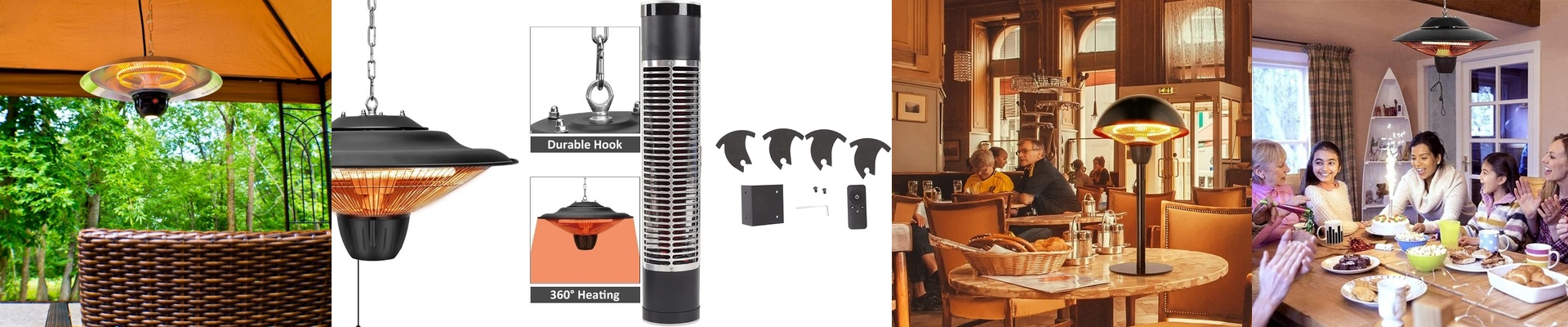
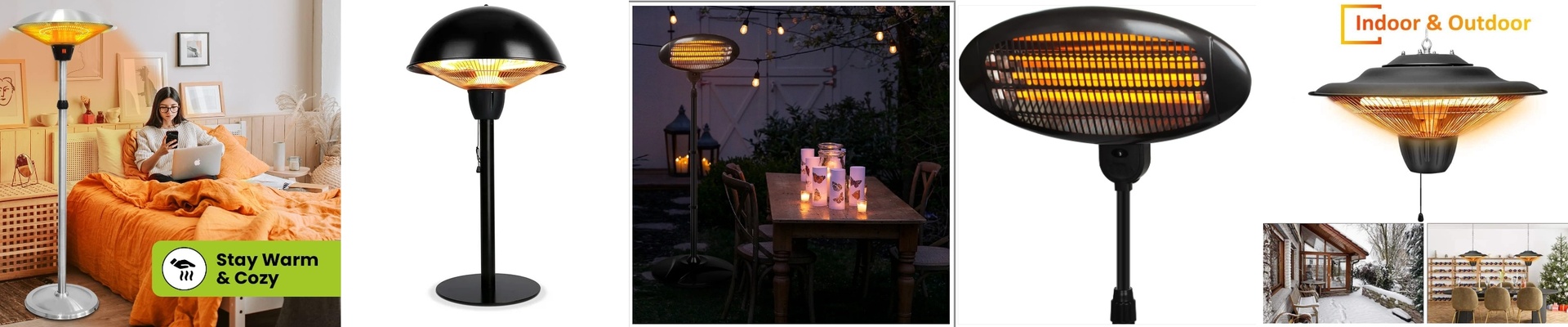
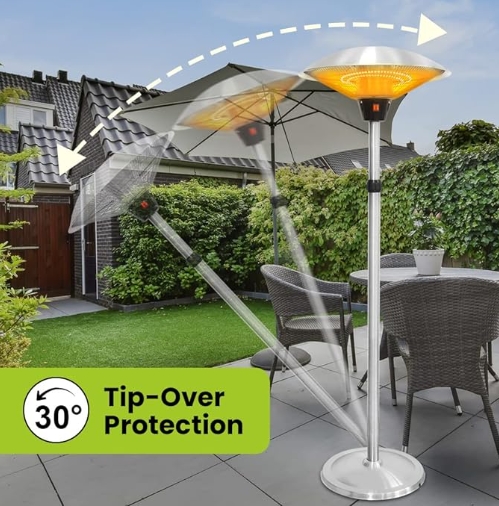
A portable infrared heater goes straight to the real issue: radiant heat that stays where you sit. Short-wave infrared warms people and surfaces directly, instead of trying to heat the air overhead. In practice, you feel the heat within seconds of flipping the switch, and it stays even across the tent instead of pooling at the top. A 1200–1500W electric heater will run off a common 120V outlet, and the compact footprint—often under 10 inches wide—keeps it from hogging your space. Look for a carbon fiber element or a quartz tube built for steady output, and make sure you get tip-over protection plus overheat protection. Many models carry an IP rating for resistance to dust and splashes, which comes in handy when gear gets hauled in and out of storage.
Why it works for this setup
For one-person reading in a tent, it’s about comfort without the fiddling. Infrared warmth arrives fast, so your hands stay nimble and your shoulders relax—you settle in instead of constantly adjusting layers. Because the heater is light and small, you can place it close enough to feel the heat without it taking over the whole seat. The result feels personal: you get a warm bubble of radiant heat while the air around you stays calm. No drafts, no noise, just steady warmth where you need it.
Things to keep straight
Keep the heater at a safe distance from fabrics and the tent wall—generally at least 3 feet—and use the built-in thermostat to avoid pushing the space too hot. In very damp conditions, step up to a model with a higher IP rating and always run it on a stable, level surface. If your tent is drafty, pair the heater with a small draft blocker to hold that warmth where you’re sitting.