


Why Most Ceiling Heaters Burn Out (And How to Stop It)
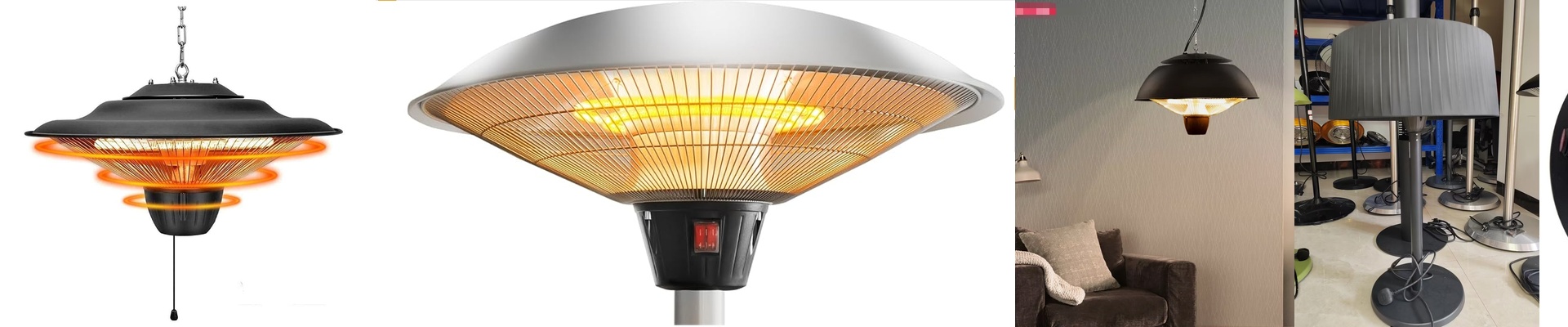
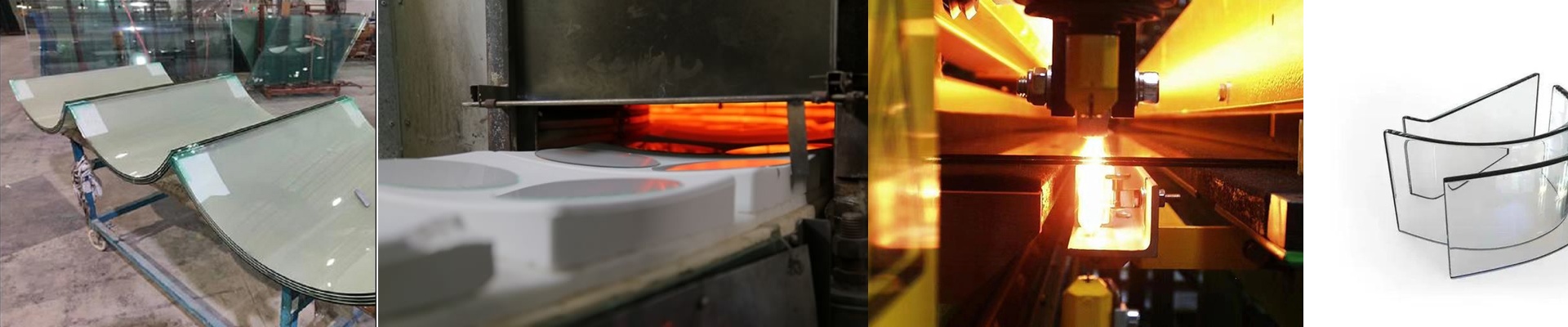
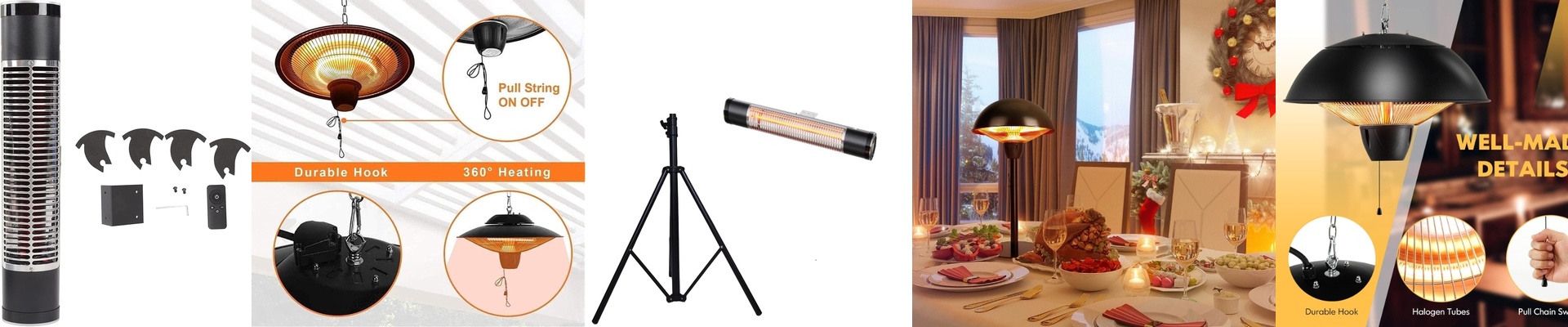
If you’ve ever had a ceiling-mounted infrared heater just… die… you probably didn’t look at the lead wires. But that’s exactly where the trouble starts. The spot where the electrical wire enters the heating element is a nightmare zone. It’s where the heat is most intense and the stress is highest. Most generic heaters treat this part as an afterthought, and that’s why they fail. Moisture creeps in, oxidation takes over, and suddenly you’ve got a dead heater or, worse, a short circuit. The problem with the “cheap” way A lot of budget brands just slap some basic adhesive or low-grade silicone around the wire to plug the hole. It looks fine for a week. But these heaters go through constant thermal cycling—heating up and cooling down over and over. Eventually, that cheap sealant cracks. Once it does, oxygen hits the internal tungsten filament. It’s like a countdown clock; the filament burns out fast. I’ve seen plenty of these budget units where the insulation just gives up because it couldn’t handle the heat soak. Doing it the right way We do things differently. Instead of glue, we use glass-to-metal seals or high-temp ceramic potting. It creates a total lockdown. No air, no moisture, no contaminants. Just a stable environment for the element to do its job. We also make sure the wire transition has some “breathing room.” If a heater is mounted to a ceiling, it vibrates. If the seal is too rigid, those vibrations will eventually pull the whole thing apart. Stress-relieving the wire prevents that. One quick tip: keep an eye on your wire gauge and insulation ratings. If you’re pushing high wattage, those leads can actually act like heat sinks, pulling warmth away from the element and putting extra pressure on the seal. The honest trade-off Here is the catch. This kind of sealing costs more upfront. It also means you can’t just “patch” a leak with some sealant if something goes wrong. If a lead snaps, the element is toast. But think about where these things are installed. You aren’t going to want to climb a ladder every six months to swap out a lamp. For me, the peace of mind is worth the extra cost. Just make sure you’re using a decent circuit breaker to protect the leads from voltage spikes, and you’re golden.