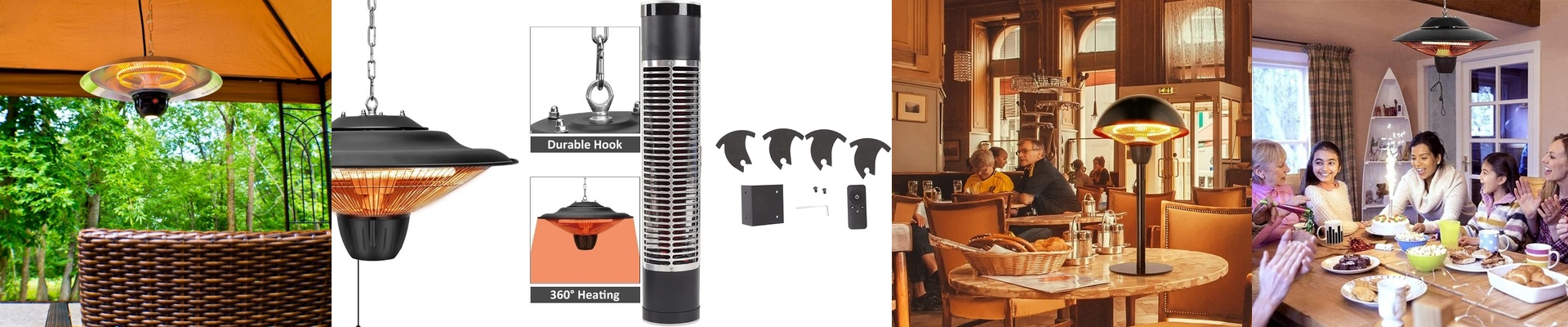
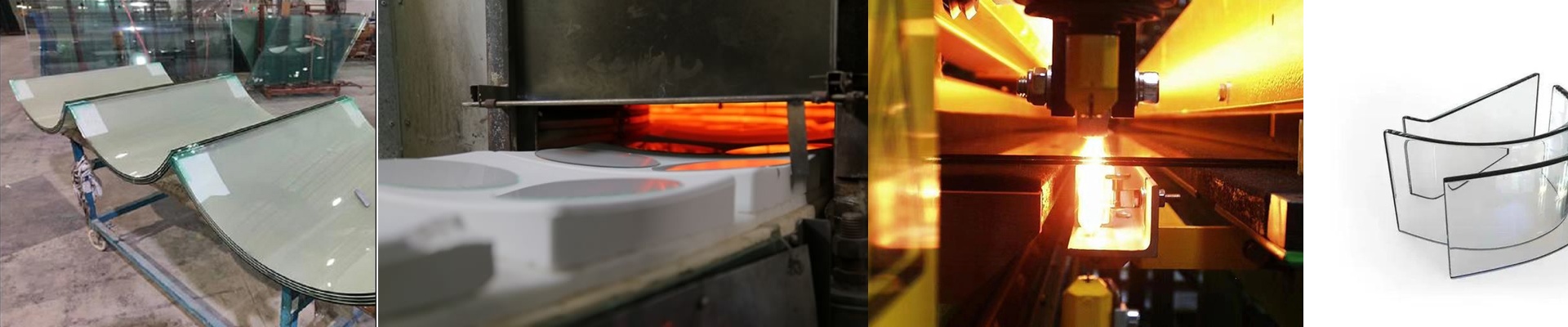
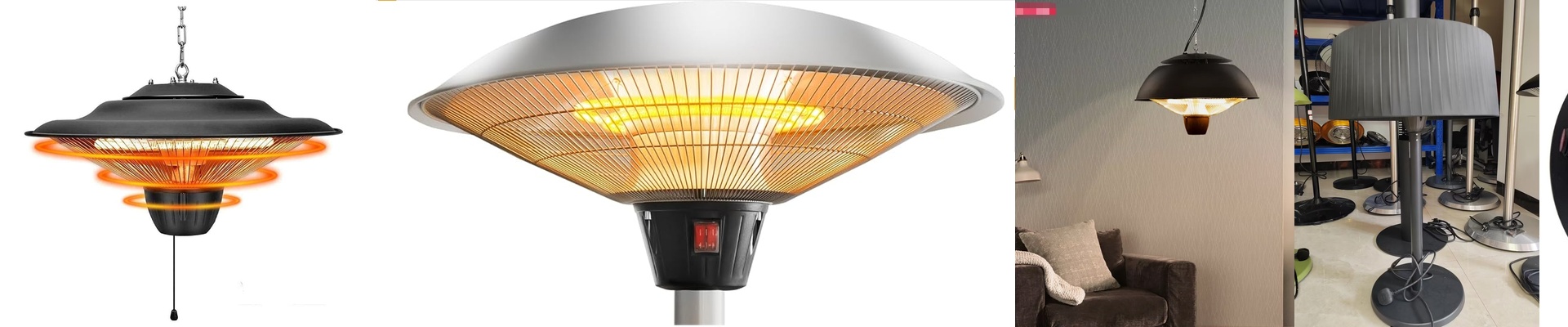

On the floor, glass heating is a timing game. Tempering furnaces need heat that comes up fast and repeats, shift after shift. Bending stations can’t chase a moving thermal profile when the shape is complex. And in lamination, a cold spot in the press is a one-way ticket to bubbles. When heaters are slow or drift, you bleed minutes per cycle. Those minutes add up fast — straight into scrap and missed orders.
What matters, technically
We build fast-response infrared heaters around near-infrared (NIR) quartz elements. The payoff is high power density and low thermal inertia. Ramp from ambient to 650°C in under 3 seconds. Across the active face, you get 45–60 W/cm² of peak power density. The emitting surface holds ±3% temperature uniformity, so the glass sees a steady thermal field instead of hot streaks and cold edges. The control response is quick enough to track setpoint changes without overshoot. That keeps thermal stress inside the window that prevents breakage during tempering and bending.
Why this works in practice
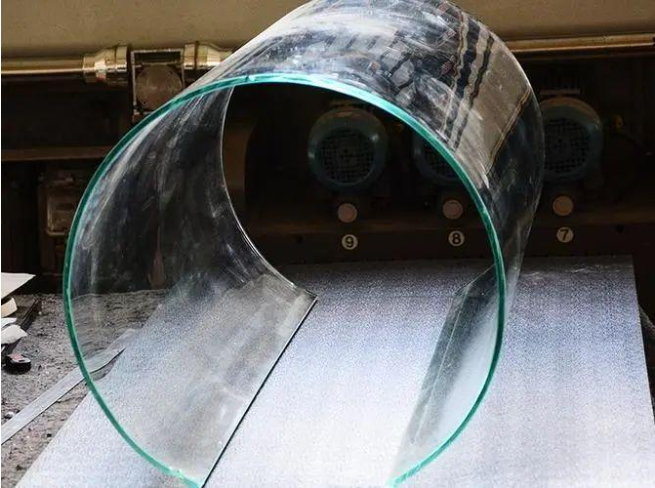
In tempering, the heater hits operating temperature fast and holds steady between glass sheets. That helps optical clarity and edge quality, and it keeps line speeds up. In bending, uniform heat distribution cuts down spring-in and the repeatability headaches that show up on tight radii. In lamination, the fast response shortens dwell time without pushing overall energy use higher. Cycle time drops, and interlayer bond strength improves. The net result: fewer rejects, more consistent flatness, and throughput you can plan around.
The details you need
These heaters are compact and play well with existing lines, but they have requirements. Power has to be clean. Run them on 230–460 V, three-phase, with dedicated circuits so voltage sag doesn’t sneak into the control loop. Give the quartz envelope enough clearance. If you crowd it, recirculation and convection effects can shift uniformity. They integrate as drop-in modules on many tempering and lamination presses, but before you changeover, confirm mounting geometry and terminal arrangement.