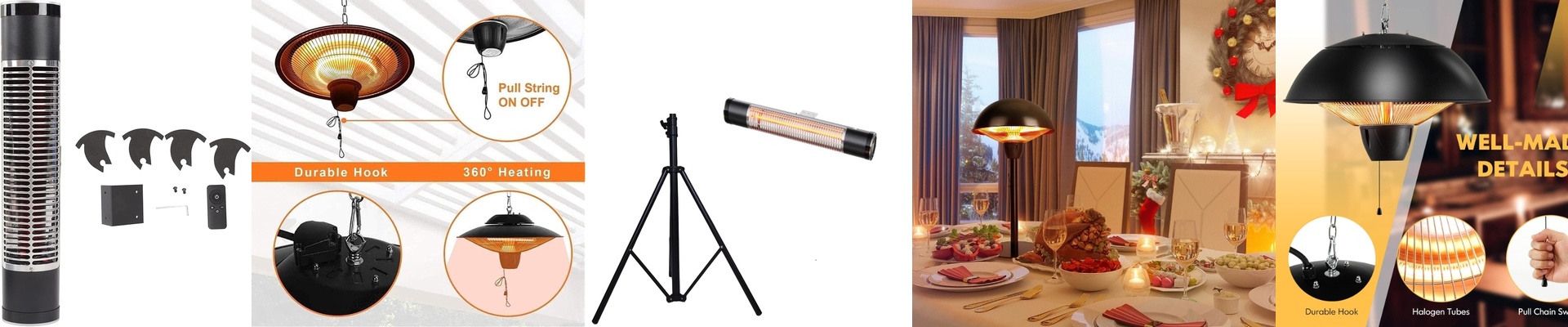
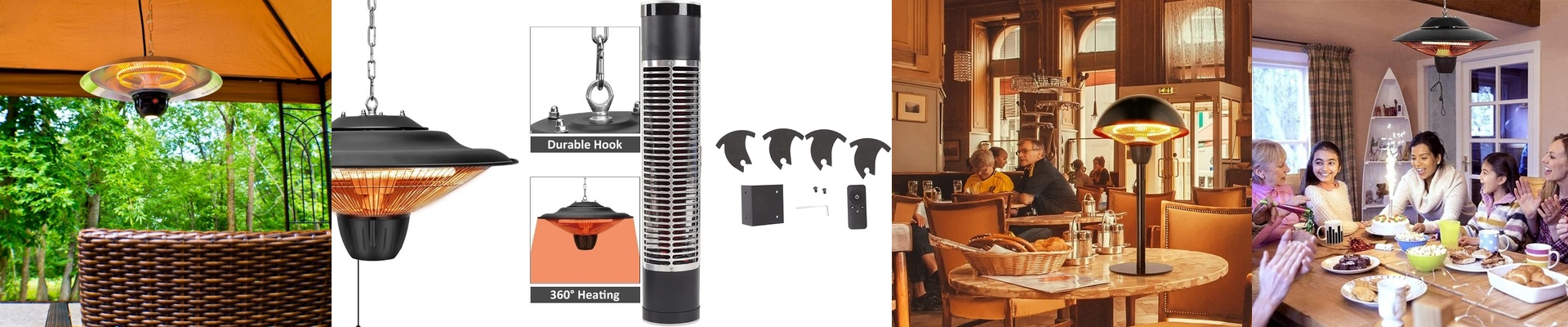
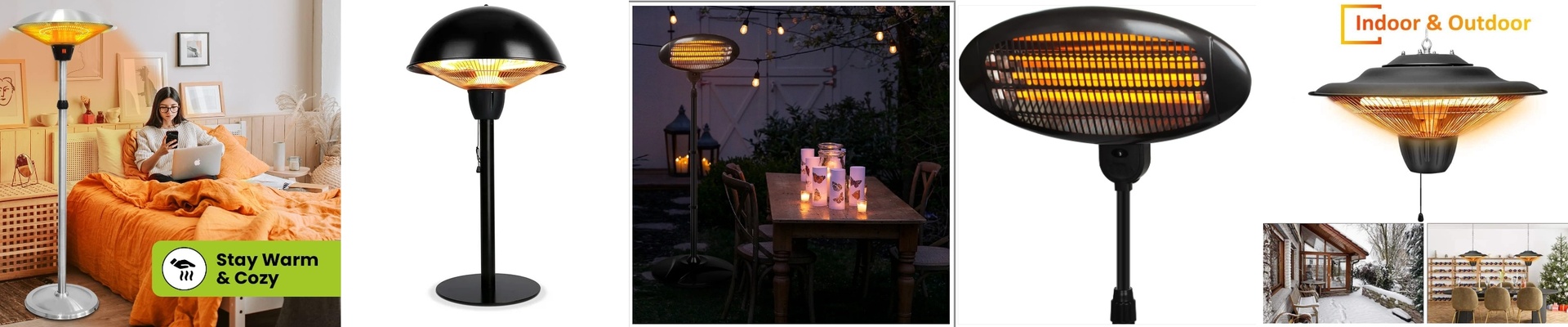
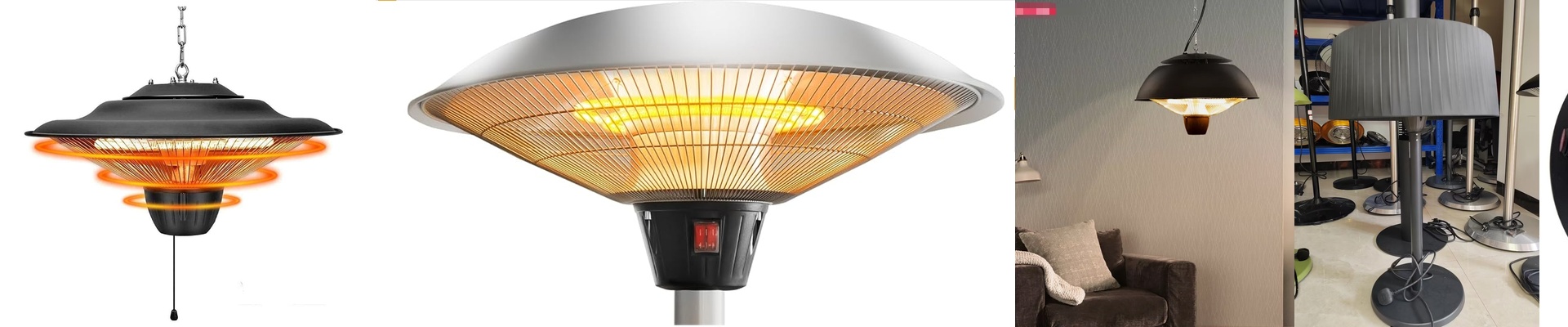
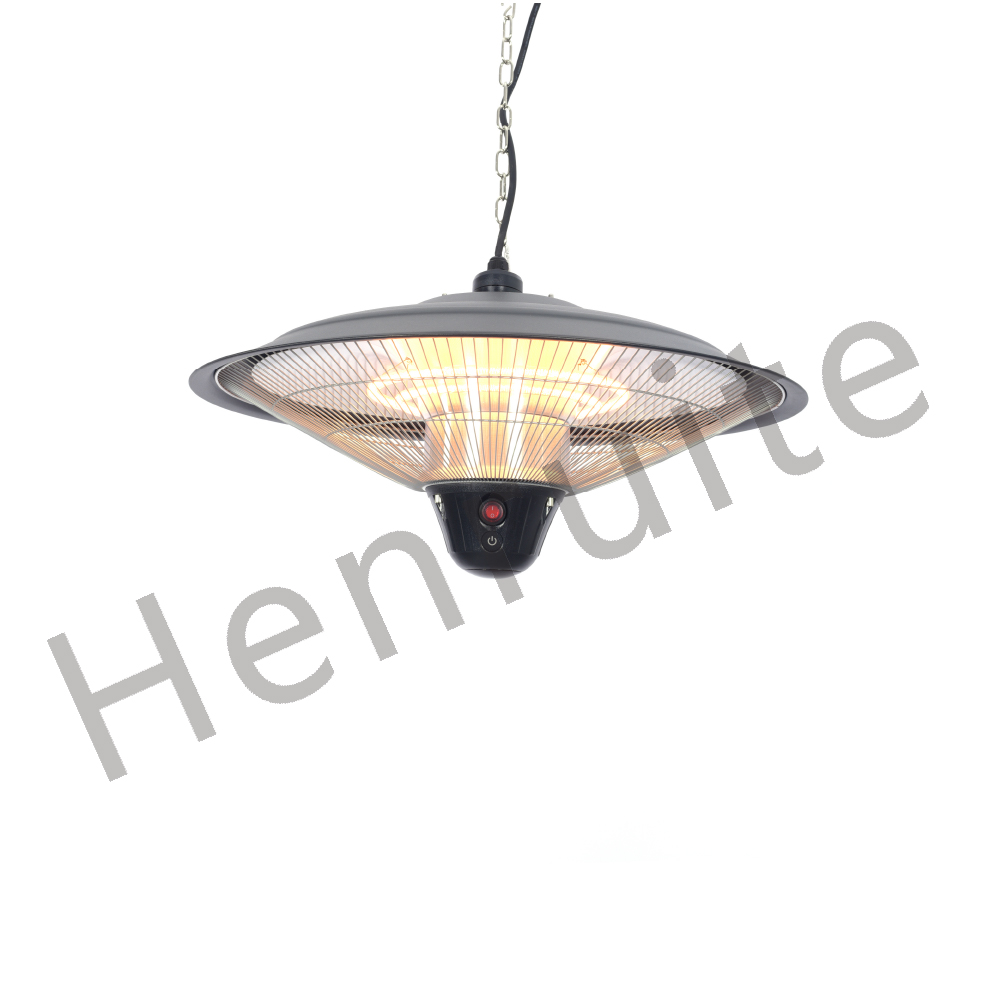
When the temperature drops after dark, staying warm is one thing. Doing it without waking a sleeping baby is another. Conventional heaters that push air around tend to feel drafty, dry, and noisy. In a nursery, that’s not just uncomfortable—it can break sleep, dry delicate skin, and leave you wondering about oxygen use.
What’s actually happening under the hood
We build the Halogen heater bulb around short-wave infrared technology. Inside a sealed quartz tube, a halogen gas cycle keeps the filament stable at high temperature. The heat comes out as radiant warmth—traveling in straight lines, just like sunlight—warming people and surfaces directly, not the air. In practice, the specs that matter are straightforward: instant-on warmth, no fan, and no combustion. That means quiet operation and zero oxygen consumption, so the room’s air stays balanced. For families, it translates to fewer interruptions and a steadier, gentler feel.
Why this approach fits a nursery
In a home with infants, safety and comfort have to come first. With radiant heat, you feel warmth within seconds—no waiting for air to heat up. There’s no blowing air to stir up dust or dry out nasal passages, and no fan noise to startle a light sleeper. The bulb design concentrates warmth where you aim it, so you can keep a crib-side chair, changing table, or play area comfortably warm. And because the heater doesn’t burn oxygen, you can use it in well-sealed rooms without worrying about air quality slipping.
The practical details—what to watch for
Halogen infrared heaters deliver focused warmth, so placement matters. Position the unit to warm the seating or activity area—just don’t point it directly at the baby. Keep the heater upright on a stable surface, and make sure your outlet and cord are rated for the wattage. The bulb gets hot, so clearance from bedding and curtains is non-negotiable. In the nursery, it’s a simple, quiet way to add comfort—just mind the heat path and give the unit space.