Making Industrial Ceiling Heaters Actually Smart
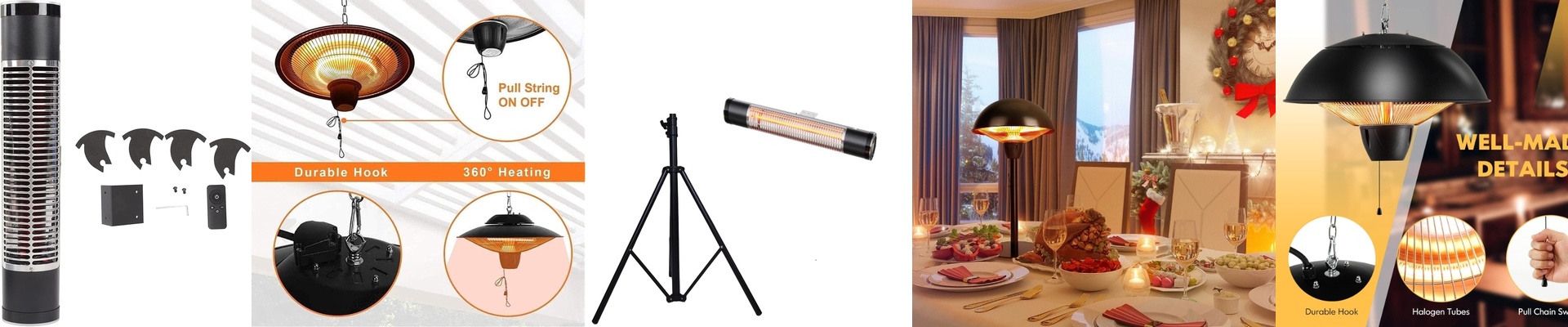
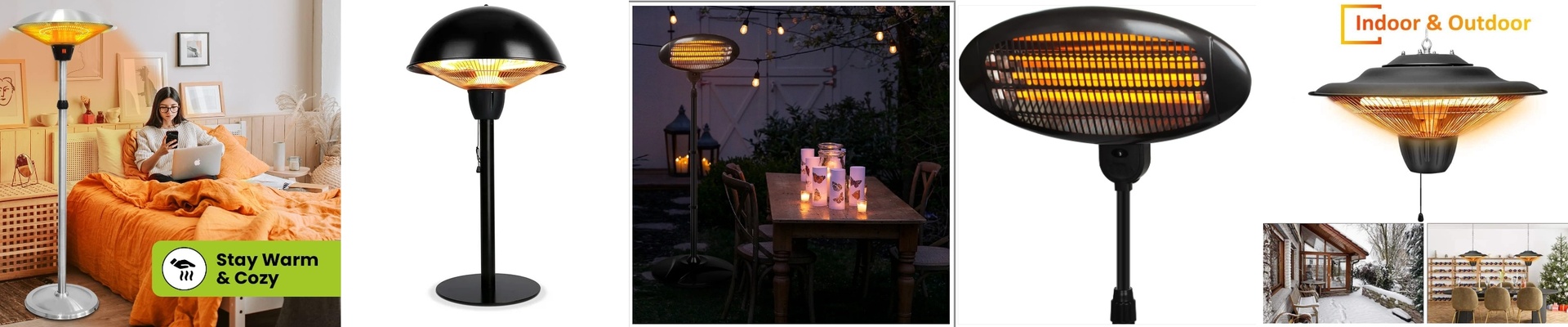
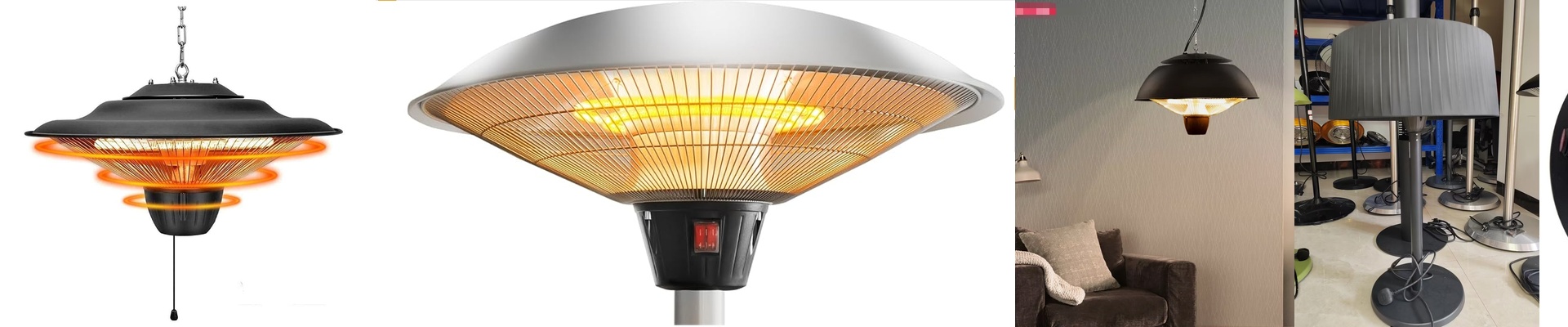
Let’s be honest: heating a massive warehouse is usually a nightmare. Most systems just blow hot air around, which usually ends up floating straight to the ceiling while your team is still shivering on the floor. That’s why radiant heaters are such a win. Instead of fighting the air, they shoot infrared waves straight down to the people and equipment. It’s like standing in the sun on a crisp October morning. But the real magic happens when you stop flipping manual switches and let a smart system handle the heavy lifting.
Heat, Right Now
One of the best things about these heaters is that they don’t need to “warm up.” You hit the switch, and you feel the heat instantly. If you hook these up to a smart relay or a PLC, you can control the whole floor from your phone or a set of sensors. The signal hits the contactor, the circuit closes, and the elements glow. Just like that. No waiting around for a furnace to kick in while you’re freezing.
Getting it All to Talk
So, how do you actually do it? You basically create a bridge. You’ve got your high-voltage power for the heaters, and a low-voltage signal for the “brains” of the operation. Most of the time, we use a Zigbee or Wi-Fi gateway paired with a beefy relay. This lets you set schedules or use occupancy sensors. There’s nothing worse than realizing you’ve been burning through kilowatts all weekend in a completely empty building. And a quick tip: avoid simple on/off switches if you can. They lead to those annoying temperature swings where you’re too cold, then suddenly roasting. We prefer PID controllers. They modulate the power, keeping the room at a steady, comfortable temperature without the roller coaster.
The “Gotcha” (Read This Part)
Here is where people usually mess up. Rapid heat requires a lot of juice. If you wire ten 3kW heaters to one smart trigger, you’re going to see a massive spike in current the second they kick on. **Check your breakers.**Check your wire gauges. If your electrical panel isn’t built for that kind of simultaneous draw, you aren’t going to get a cozy warehouse—you’re just going to trip the main breaker the moment you tap “on” on your phone.