

Getting Fast Heat into Small Mobile Glass Brackets
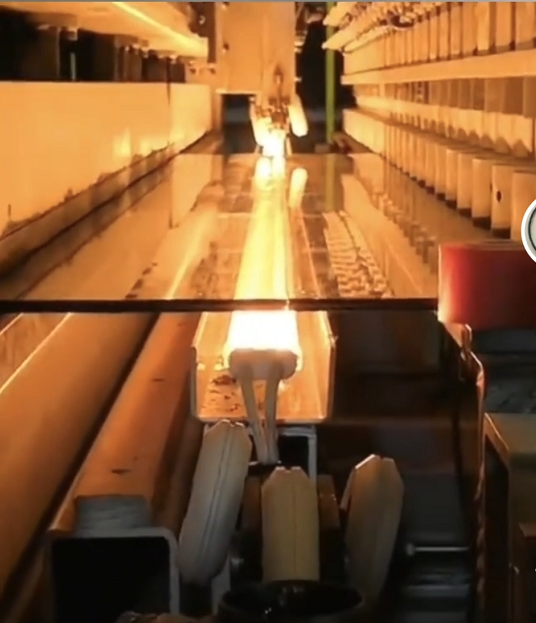
If you’ve ever built a portable bracket for glass repair, you know the struggle. You’re basically fighting a war between your voltage limits and the need to get that glass hot now. You can’t exactly lug a massive power supply around the parking lot, but you still need the resin to cure quickly. That’s where these tiny shortwave infrared (SWIR) radiators come in. The struggle with size Here’s the thing: you can’t just shove a meter-long lamp into a mobile setup. It doesn’t fit. So, we shrink the element down, but we keep the power density high. We use a halogen-filled quartz tube to cram more energy into a much smaller space. The result? The lamp hits its operating temperature in a few seconds. It’s fast. Really fast. And that means you aren’t standing around idling while the glass warms up, which saves you time and energy on every single job. The hardware side of things We stick with quartz glass for the envelope because it lets the IR light pass through without getting blocked. We also use standard bases, so if one goes out, you can just pop a new one in without a headache. But a word of warning: when you pack that much heat into such a tiny footprint, things get hot. Like, really hot. If you build your bracket out of cheap plastic or low-grade aluminum, it’s going to warp. You’ve got to be smart about your heat shielding and the clips you use to hold everything in place. If you cut corners here, you’re probably going to melt your wiring. Making it work in the field These radiators slide right into the arm of the repair bracket. Because they’re shortwave, the heat actually penetrates the glass instead of just warming up the air around it. It makes the whole process feel way more fluid. You can move from one car to the next without dragging around a heavy industrial heater. Just hook it up to a regulated DC-to-AC inverter, and you’ve got a professional heating tool that fits right in your hand.