

Stopping Glass from Cracking During Tempering
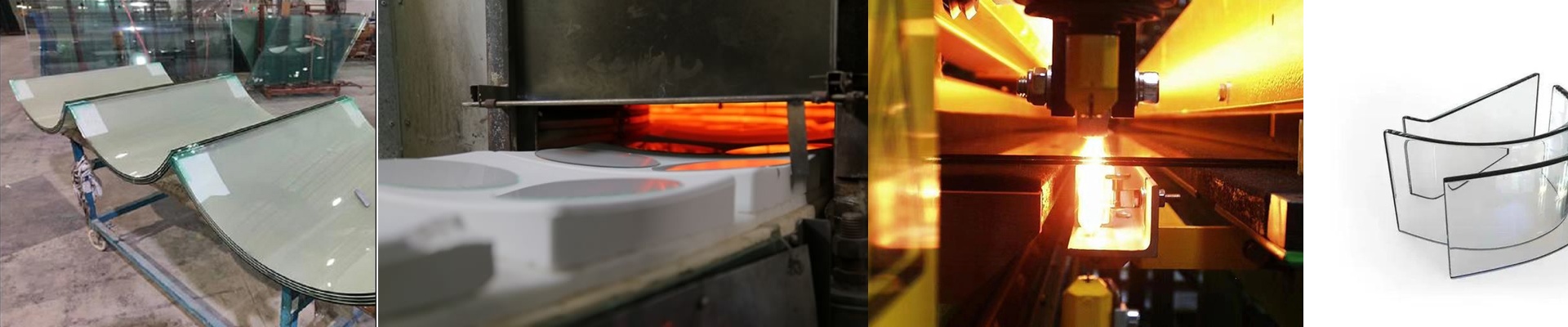
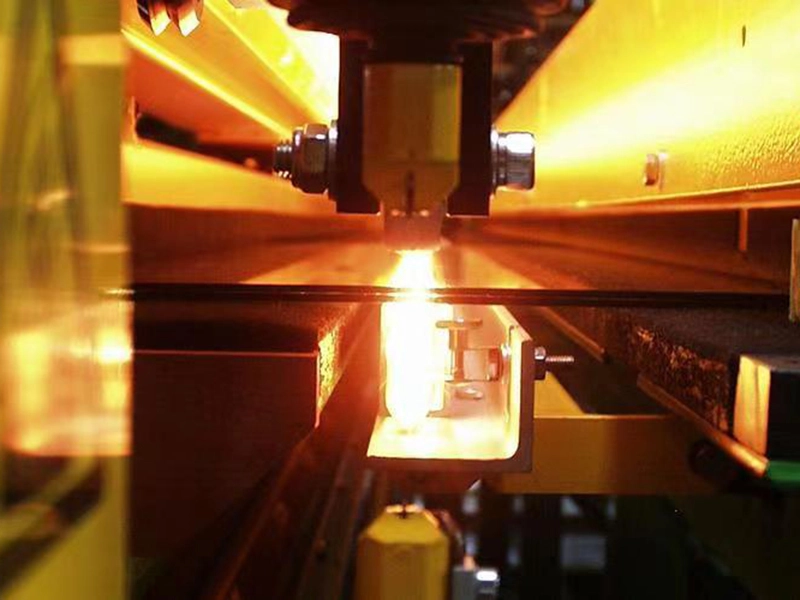
Working with glass is a balancing act. You need those intense heat spikes, but if you push the temperature too fast or unevenly, the glass just gives up and cracks. It’s frustrating and wasteful. To get around this, we use gold-coated shortwave infrared (SWIR) emitters for the “instant tempering” part. Why? Because they react almost instantly when you tweak the power.
Why the gold coating actually matters
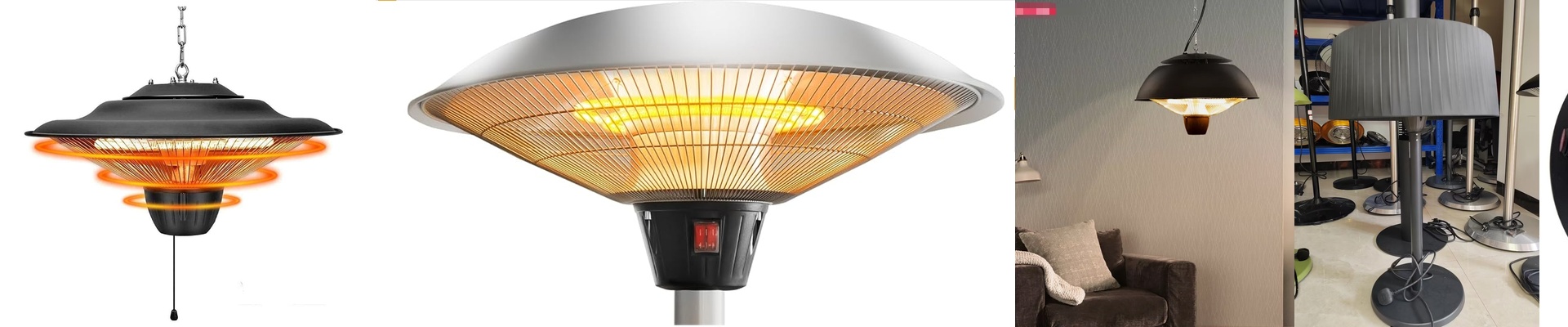
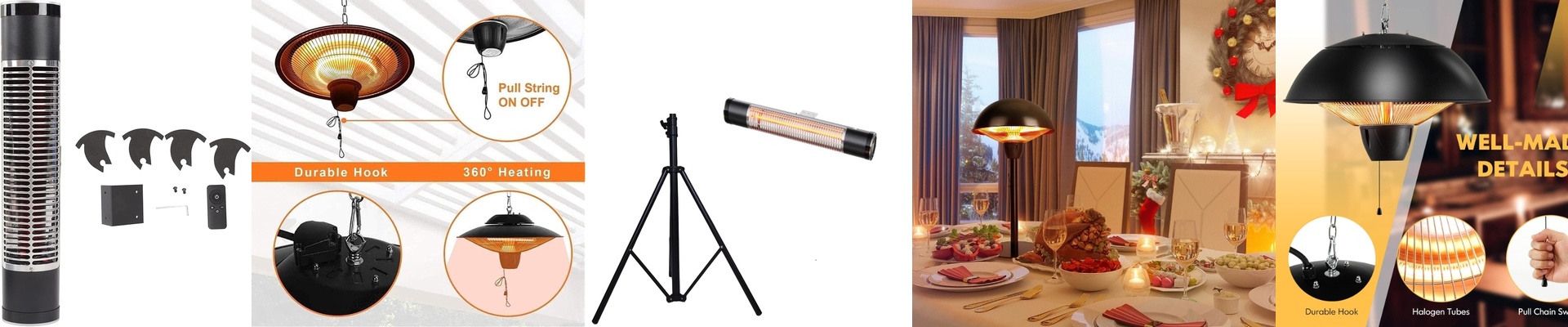
If you use a standard quartz lamp, a lot of that precious energy just leaks out into the air. It’s a waste. By adding a thin layer of gold to the quartz, we can bounce that infrared radiation forward. It basically turns the lamp into a spotlight for heat. Instead of warming up your entire machine frame, the heat hits the glassware exactly where it needs to go. It’s focused. It’s efficient.
Beating thermal shock
The real trick to avoiding thermal shock is how fast you can kill the heat. These emitters pair up with SCR power controllers, which let you adjust the wattage in milliseconds. If your sensors pick up a temperature gap that looks like a recipe for a crack, you can drop the power right then and there. The gold coating helps with this too. It lowers the lamp’s own thermal mass, meaning the tube heats up and cools down way faster than a plain one. You can basically “pulse” the heat—giving the glass just enough energy to temper without accidentally pushing it over the edge.
The trade-offs (The “Catch”)
Nothing is perfect. These high-density lamps put a lot of stress on your electrical setup. You’ll want a clean power supply. If the power flickers, you’ll end up with uneven heating strips on your glass, and that’s a headache nobody wants. Also, that gold coating is a bit picky. If your shop is full of chemical vapors or heavy oil mist, the coating will wear down, and your efficiency will tank. **Keep your lamps clean.**And for heaven’s sake, make sure your cooling system for the lamp ends is working. If you don’t, the electrodes will just burn out during those high-wattage runs.