Getting Low-E Glass Preheating Right (When You’re Working with Huge Sheets)
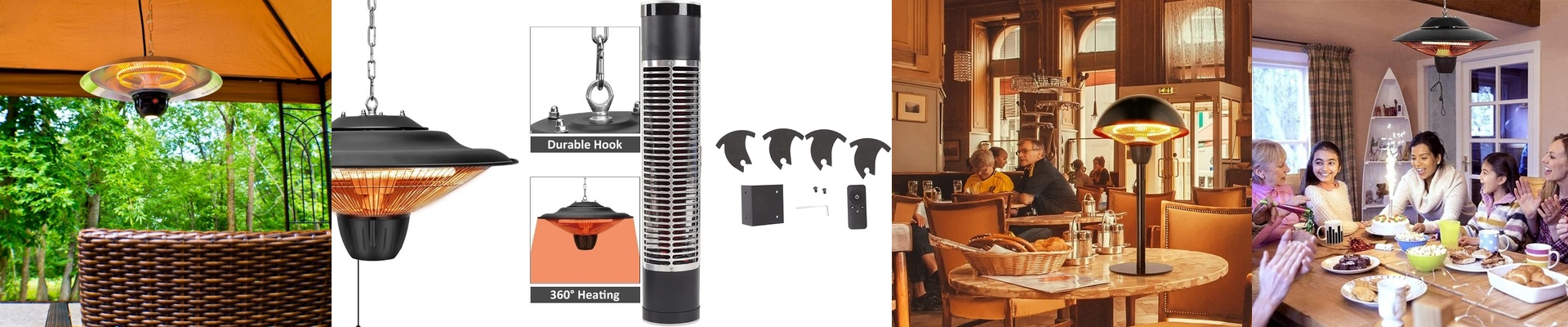
If you’re preheating wide-format Low-E glass, you know the struggle. You need the heat to be perfectly even across the whole sheet. If one spot is colder than the rest, you’re looking at stress fractures or coating defects. That’s a nightmare. Once you hit widths over 3 meters, the standard lamps you buy off a shelf just don’t work. That’s why we build custom, continuous infrared units. We basically create a wall of heat to kill off those annoying cold spots in your drying tunnels. The struggle with long-span heat Designing a heating element that stretches over 3 meters is tricky. You’ve got to deal with voltage drops and the way materials expand when they get hot. Here’s the thing: you can’t just line up a bunch of small lamps. If you do, you get these gaps between them, which leaves “stripes” on your glass. Not a great look. Instead, we use long-form quartz tubes. We tweak the internal filament geometry so the middle of the tube doesn’t get hotter than the ends. It gives you a smooth, steady curtain of heat from edge to edge. What’s under the hood? We stick with high-purity quartz. It can handle the intense heat needed to get that glass up to temperature fast. For Low-E work, we use short-wave infrared because it punches through the glass surface quickly. As for power, we can set the voltage to match whatever your factory is already running. Usually, we go with high-voltage setups—it just keeps the current manageable over those long distances. And we don’t use flimsy parts. We wire everything with heavy-duty connectors that can take a beating. These units are built for 24/7 production, not a laboratory. A few things to watch out for Putting out that much heat in a 3-meter space is a lot. If your tunnel’s ventilation isn’t up to the task, you’re going to have problems. If the air isn’t moving enough to pull heat away from the lamp housings, you’ll end up warping your frames or frying your wiring. It’s a mess you don’t want. Plus, we always suggest using PID controllers. They let you dial in the power precisely so you don’t accidentally cook the edges of your glass.