
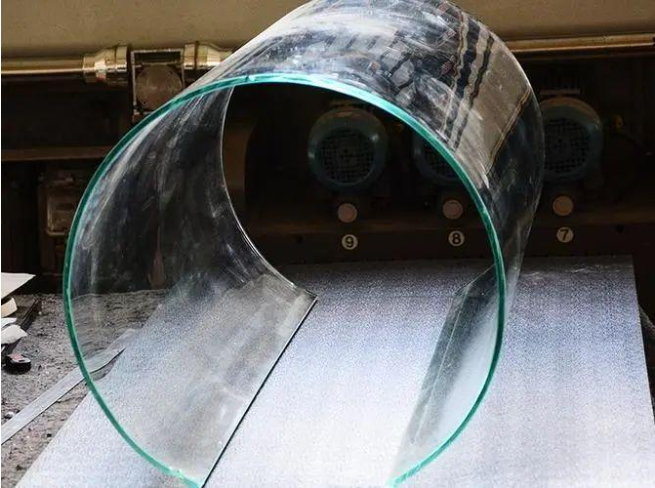
Stop Fiddling with Single Tubes: A Better Way to Handle Your Lehr Heat
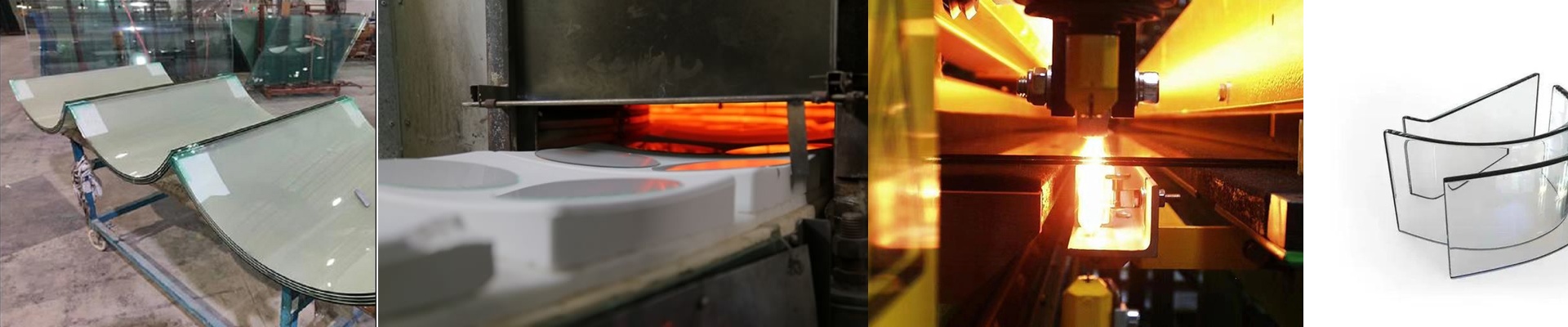
Most glass plants start the same way. You buy a handful of infrared lamps, pick your wattage, and when one pops, you swap it out and wire it by hand. It works. But once you’re running a full-scale annealing lehr, that “one-by-one” approach becomes a total nightmare. It’s a massive drain on your time. That’s why we stopped just selling parts and started building curved heating modules. Instead of a box of components, you get a system that just drops right into your line.
Moving Beyond the Single Lamp
Think about a single quartz lamp. It’s just a heat source. But a module? That’s a calibrated system. We build these into a pre-bent chassis so you can stop guessing. You don’t have to obsess over the exact spacing between tubes or pray you don’t snap a fragile quartz element during some frantic midnight repair. We tune these modules for the specific thermal gradients your glass needs. If your glass is thicker, we tweak the power density across the curve. Just a heads-up: high-wattage densities get you that rapid heat-up for the initial soak, but they hit your electrical panels hard. Make sure your switchgear can handle that initial surge when the modules kick in.
Getting Your Technicians’ Time Back
The goal here is simple: get it working the moment it hits the floor. Instead of having your team spend hours messing with brackets and wiring individual leads, they just slide in the module. It’s fast. Really fast. And that changes everything when you’re trying to cut down downtime during re-tooling. We use heavy-duty connectors and reinforced housing because we know factory floors are brutal. Since the shape is locked in, the heat stays consistent across the whole width of the lehr. No more cold spots causing internal stress in your glass. Sure, you can’t nudge a single lamp an inch to the left anymore. But in exchange, you get a thermal footprint that’s consistent every single time.