
Why we use fast-response infrared for online glass annealing
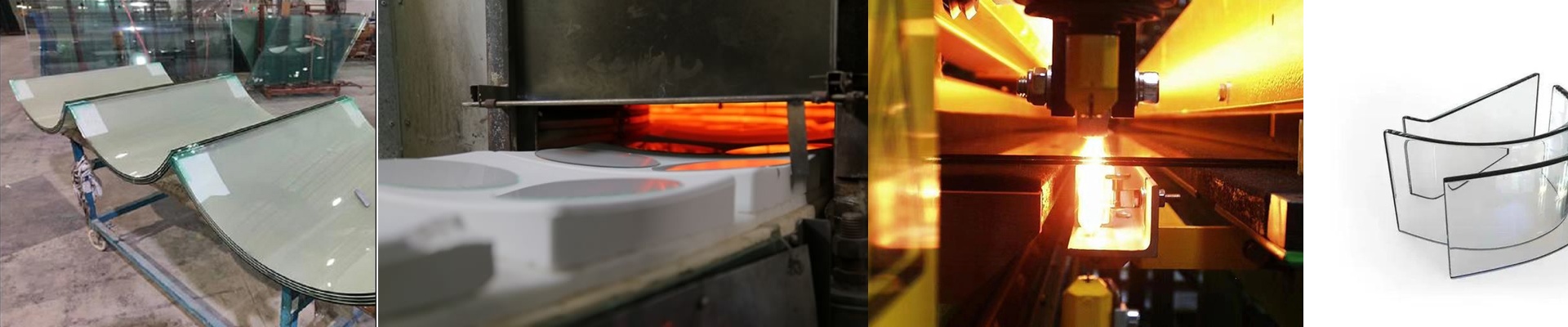
If you’ve ever seen a wine glass shatter for no apparent reason, you know the nightmare of internal stress. It usually happens because the glass cooled too fast or unevenly. The old way of fixing this? Giant ovens. They take up half the factory floor and they’re sluggish. If you change your line speed, the oven can’t keep up. That’s why we switched to shortwave infrared (IR) lamps. The magic of instant heat Here is the thing about IR: it doesn’t waste time heating up the air around the glass. It just hits the target. The energy goes straight into the glass surface immediately. This means you can actually move the annealing process “online.” As the glasses cruise down the conveyor, you can tweak the heat in real-time. If you decide to crank up production speed, you just bump up the lamp power. The glass stays at the right temperature, and you don’t have to stop the line to calibrate. Getting the heat exactly where it needs to go We use heaters with high power density. Basically, we pack a lot of wattage into a tiny quartz envelope. You get an incredible amount of heat without needing a massive machine taking up space. Plus, we set these up in zones. This is a lifesaver. It lets us heat the stem and the bowl differently. Since they aren’t the same thickness, they shouldn’t be treated the same. This prevents the glass from warping or sagging. A word of caution on the hardware Now, these quartz lamps get hot. Really hot. You can’t just slap them in and walk away. You have to get the housing right. If your fans or vents aren’t up to the task, you’re going to have a bad time—melted wiring or warped conveyor supports are a real possibility if you skim up on the cooling. What this actually does for your day Moving to IR kills the bottleneck. No more waiting around for batch annealing to finish. Everything just flows. We’ve seen cycle times drop from hours to mere minutes. If you’re still using those old gas-fired systems, this is a straightforward swap that makes the whole line feel simpler. And the best part? Your scrap pile shrinks because you’ve finally got the thermal shock under control.