
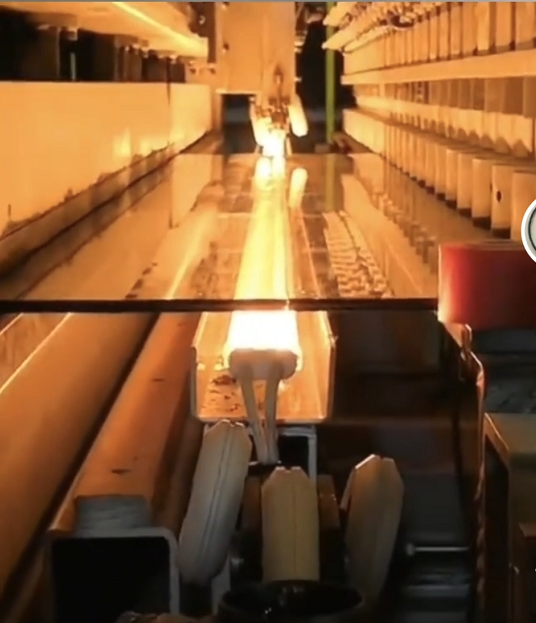
Why Fast-Response IR Lamps are a Lifesaver for Glass Annealing
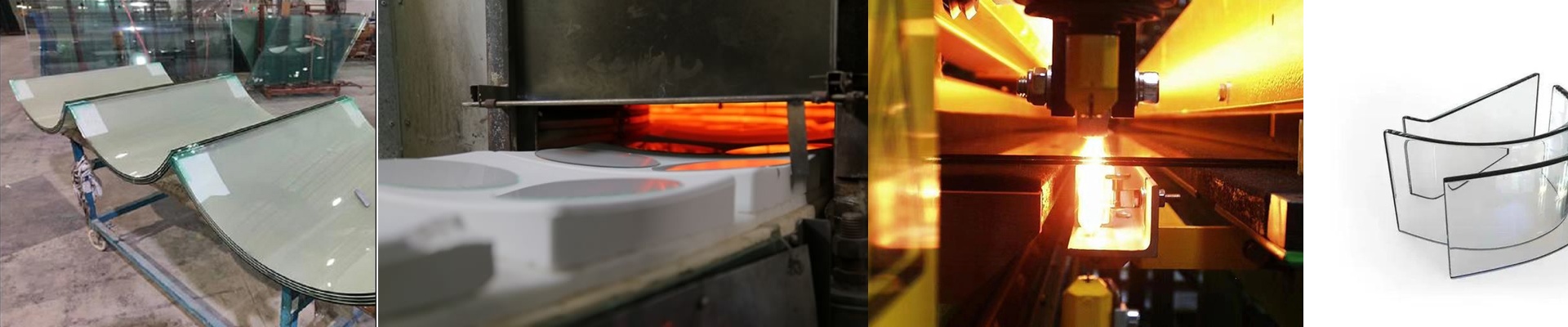
When you’re running an online glass tempering line, thermal lag is your worst enemy. If your heating element takes forever to get up to temp, or if you can’t keep the heat flat across the whole sheet, you’re looking at internal stress. And in this business, stress means breakage. That’s why we lean on shortwave infrared (IR) lamps. They don’t mess around with convection; they use radiation. The heat just hits the glass. Instantly. The secret is in the response time. Most standard resistive heaters have way too much thermal mass. They spend too much time soaking up heat before they actually give any of it off. Shortwave IR lamps are a different beast. The filament hits peak temperature in milliseconds. This is huge because it lets you tweak the heat on the fly as the glass moves. You can dial the power up or down to match your line speed perfectly. It just works. Getting the heat even This is where most setups fall apart. “Cold spots” are a nightmare. To stop them, we overlap the lamps in banks. By playing with the wattage and the spacing, you basically create a curtain of heat. You need that high-density energy to punch through the thickness of the glass without scorching the edges. We usually go for high-wattage specs here. We want to be absolutely sure the core of the glass hits that annealing point before it ever leaves the tunnel. The trade-offs (because nothing is free) Here’s the thing: high-intensity IR lamps are hungry. They put a massive load on your electrical panels. When you wire up a full bank of these tubes, the current draw is no joke. You’ve got to make sure your transformers and cabling can handle the peak load, or you’ll deal with voltage drops that mess everything up. And they run hot. Really hot. If your cooling fans quit or your shielding is a bit off, you’ll fry your sensors and wiring in no time. Keep your airflow tight. Protect the hardware, and the glass stays hot.