
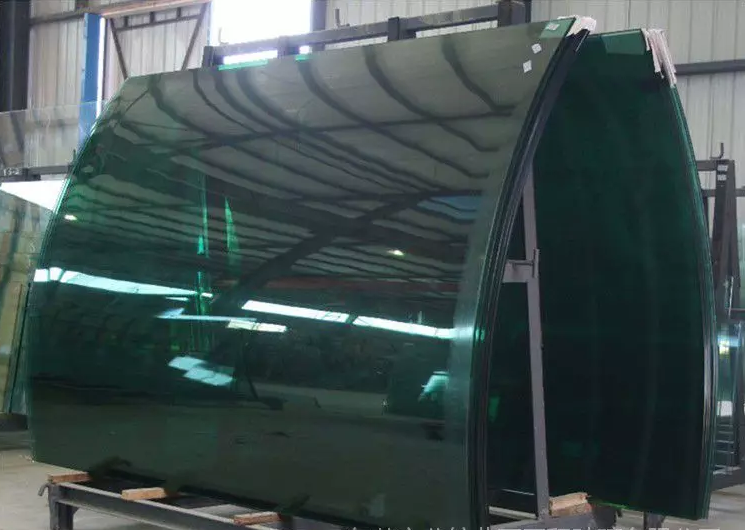
Stop Playing Tetris With Your IR Lamps
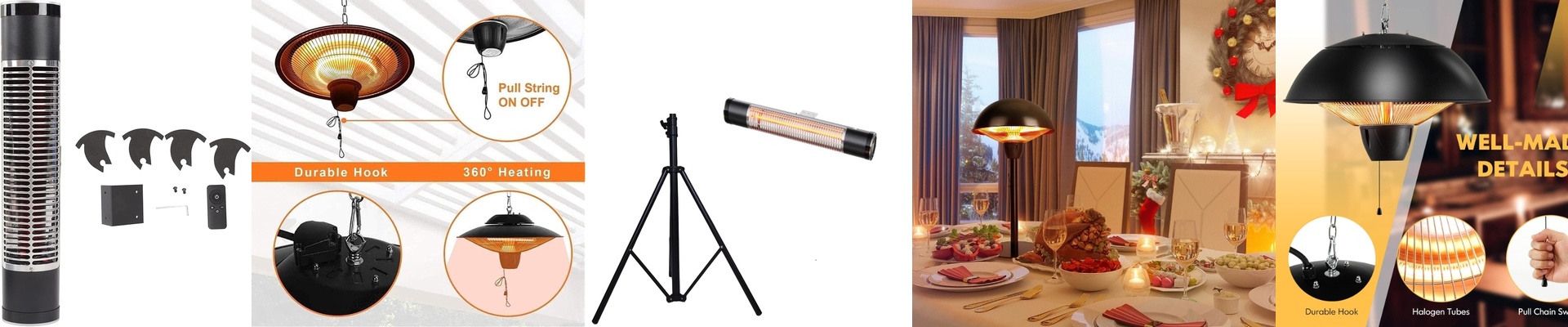
Let’s be honest: buying individual infrared lamps is a headache. You get a box of tubes and suddenly your floor techs are spending their entire weekend fighting with wiring, squinting to get the alignment just right, and praying the heat zones are actually calibrated. It’s a lot of grunt work that doesn’t need to happen. We figured there was a better way. Instead of sending you a pile of loose parts, we just build the whole bending heating module for you. We do the hard part in our factory so you don’t have to do it on your shop floor.
Why Modular Actually Works
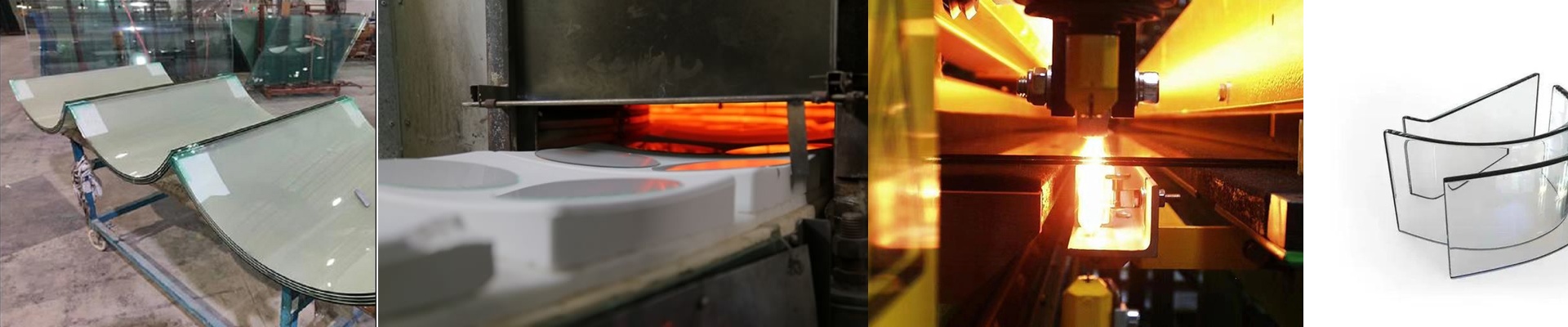
If you’re working with marine glass, you know the struggle. One tiny slip in your thermal gradient and you’ve got optical distortion that ruins the whole piece. When you try to bend quartz tubes or mount them by hand in the field, mistakes happen. It’s just human nature. That’s why we build our modules with the lamps already locked into curved arrays. We handle the housing and the wiring. You just get a drop-in piece that fits right into your machine. It’s fast. Really fast. And it means you aren’t risking a burnout just because a lamp was mounted slightly off or rattled loose from vibration.
The Heat Problem (And How We Fix It)
Here is the tricky part: high-wattage modules are great for thick glass, but they gethot. Like, really hot. When you cram shortwave lamps into a tight radius, the temperature around the electrical terminals can spike. If your cooling blowers aren’t exactly right for that wattage, you’re going to fry your wiring. It’s a nightmare to troubleshoot. To stop that from happening, we bake heat-resistant cabling and connectors right into the module. You don’t have to spend hours obsessing over wire gauges or wondering if the cable can take the heat. We’ve already handled it.
Get Your Engineers Back to Engineering
The best part? Your engineers can stop acting like assembly line workers. No more counting tubes. No more tedious mounting. You just wire up the main power feed, set your PID controllers, and start running glass. It goes straight from the shipping crate to the production line. Simple as that.