Getting Infrared Heating Right for Wide-Format Low-E Glass
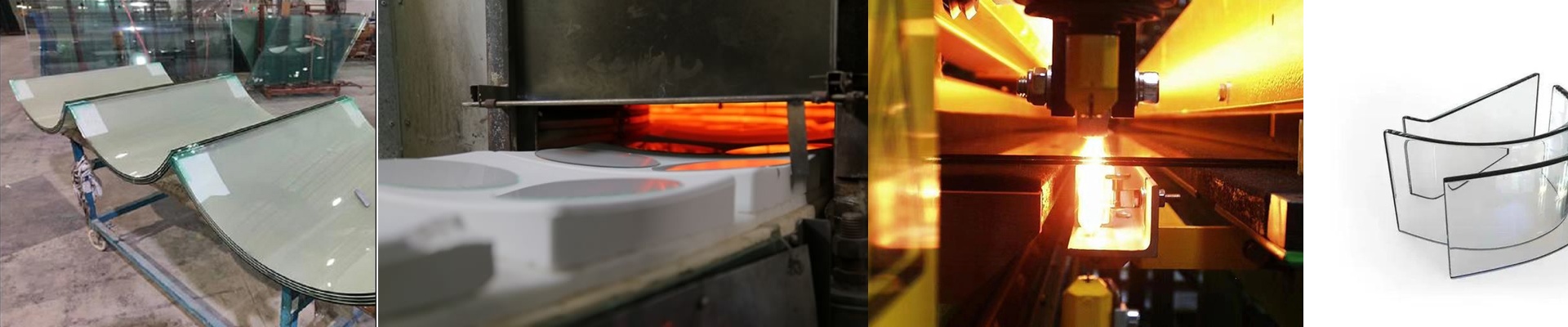
Preheating Low-E glass for train windows is a bit of a headache. You need a very specific thermal profile, and if you’re working with widths over 3 meters, standard lamps just don’t cut it. You end up with cold spots that mess up the whole batch. We handle this by building custom, continuous infrared units. The goal is simple: make sure every single inch of that glass hits the same temperature.
The struggle with 3-meter spans
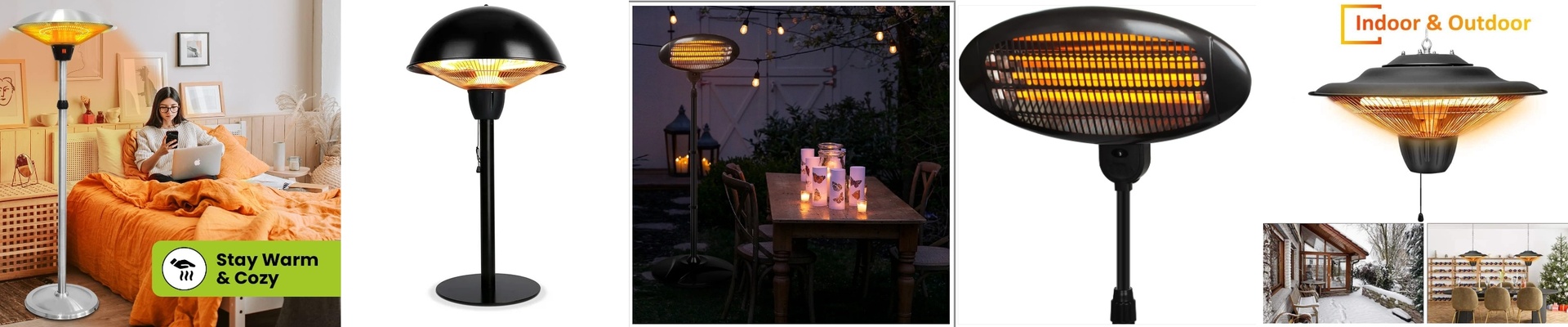
Here’s the thing about scaling up to 3 meters: voltage drop is a nightmare. If you aren’t careful, the ends of your lamps run cooler than the middle, and suddenly your heat density is all over the place. To fix this, we obsess over the wattage and voltage specs. We use high-wattage quartz tubes that can take the heat without bowing or burning out. You’ve got to keep your power supply balanced across those long runs, otherwise, you’ll deal with flickering and weird heating zones that are a pain to calibrate.
Why the quartz and wavelength matter
We use heavy-wall quartz glass for the filaments because it doesn’t warp when things get hot—which they do, especially during annealing. But the real secret is the wavelength. With Low-E glass, the IR emission has to match how the coating absorbs heat. If the wavelength is off, the heat just bounces right off the surface instead of soaking in. It’s like trying to heat a room with a mirror in the way. We customize the filament composition so the spectrum hits exactly where it needs to.
Fitting it in and the “catch”
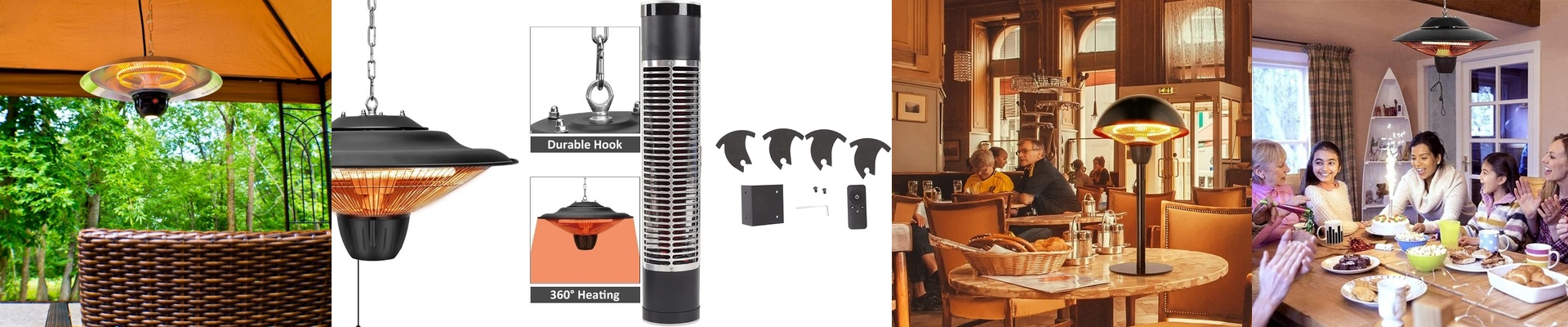
These units are built to be drop-in replacements for your standard oven racks. We use industrial-grade connectors, so your team can wire the array up on the shop floor without spending all day on it. But there is a trade-off. When you pump this much heat into a wide-format tunnel, the ambient heat soak is massive. If your cooling fans or exhaust systems aren’t ready for the total kilowatt load of a 3-meter array, you’re going to fry your control electronics. Do yourself a favor and double-check your cabinet ventilation before you flip the switch on these high-density units.