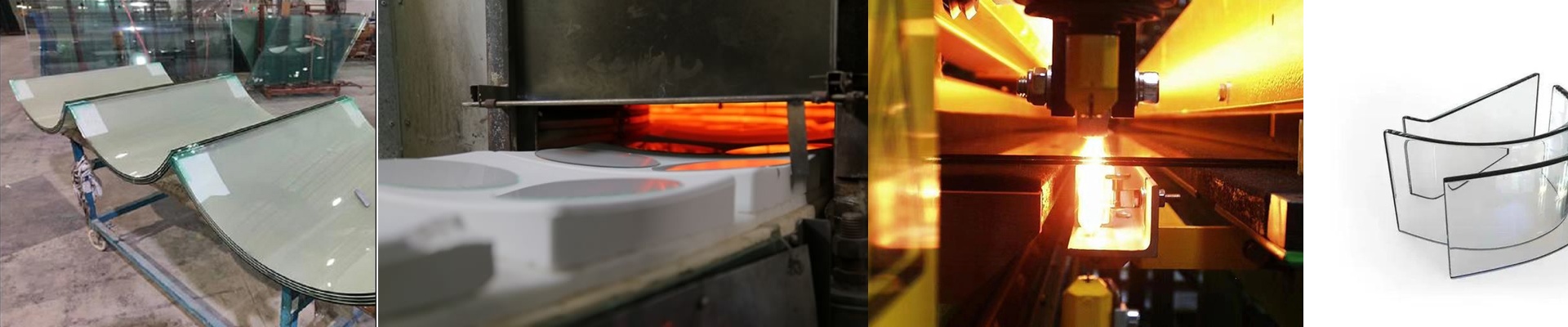

The Real Deal on Ultra-Long IR Heating for Glass Tunnel Kilns
If you’re trying to build IR heating for a glass tunnel kiln, you quickly realize that you can’t just take a standard lamp and stretch it out. Once you cross that 2-meter mark, things get tricky. The biggest headache? The spot where the quartz tube meets the electrical lead. That’s usually where everything falls apart.
Dealing with the “Stretch”
Here is the thing: quartz and metal don’t play well together when they get hot. They expand at different speeds. Since these lamps in a tunnel kiln are running non-stop, that constant pushing and pulling creates a ton of mechanical stress. If you don’t have a buffer, you’re looking at vacuum leaks or, worse, cracked tubes. We use ceramic end caps to fix this. They act as a thermal break, keeping the crazy heat away from your wiring so your insulation doesn’t just melt or burn out mid-production. It’s a simple fix that saves a lot of downtime.
Getting the Power Right
We don’t just guess at the wattage. We look at how fast your belt is moving and how thick your glass is. One big trap with 2-meter spans is voltage drop. If you just stretch the filament, you lose power. We optimize the voltage to make sure the heat stays consistent from one end to the other. Depending on what you need, we can go with shortwave for a quick surface hit or medium-wave if you need the heat to soak deeper into the glass. Plus, we layout the arrays so you don’t end up with those annoying “cold spots.” If your kiln has a weird shape, we just tweak the end cap geometry so everything sits flush against the reflectors.
The Catch
Let’s be honest: long lamps are fragile. A 2-meter tube is basically a long piece of glass that wants to bow under its own weight. If it sags, your heat distribution goes wonky, and you’re much more likely to snap the tube during installation. It’s a pain, but your mounting brackets have to be spot on. We suggest a rigid support every 500mm. It keeps the lamp straight and ensures the heat flux stays exactly where it needs to be.