


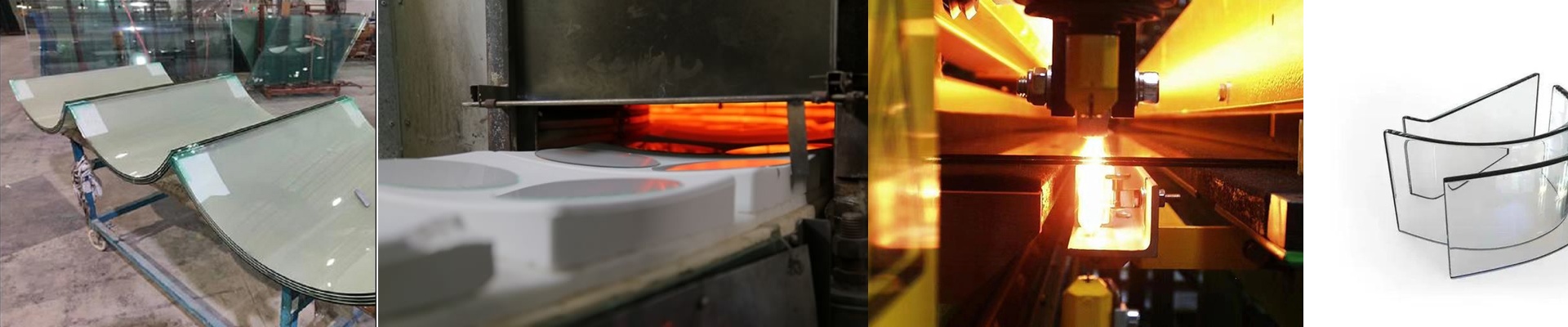
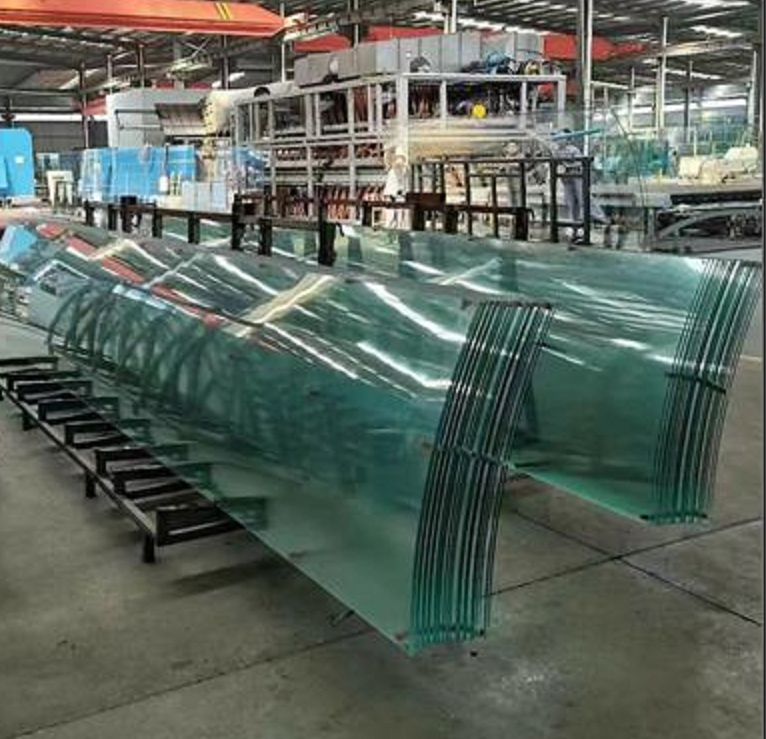
Out on the cold end of a tempering or bending line, the coating dryer isn’t a nice-to-have. It’s the last checkpoint before yield starts bleeding away. If you under-dry, solvents get trapped. You’ll see adhesion failures and haze show up later. If you over-dry, you invite thermal stress—and the line stops. We built this cold-end dryer to take that guesswork out of the equation, and put repeatable heat right where the coating needs it. What actually matters under the hood We hit the coating with near-infrared (NIR) energy tuned to the film’s absorption profile, so the heat goes into the film itself, not the bulk of the glass. That gives you a fast temperature rise without a lot of convection that can ripple or disturb wet layers. Output density is matched to line speed, and the heating zone is laid out so flux stays uniform across the full width. That keeps edge-to-center deltas small—the kind that drive thermal stress in a hurry. The module drops into common OEM footprints, with industrial-grade quartz components and termination details that are meant to run, day after day. Why it fits the way glass lines actually run In high-throughput tempering and bending, the dryer has to keep pace with the cycle, then hand off to cutting and assembly without becoming the bottleneck. NIR responds almost instantly, so the unit hits setpoint quickly after a line change, and power adjusts on the fly to hold consistent film temperature. That shortens the drying window, cuts scrap from curing variability, and trims energy use because heat is delivered on demand instead of dumping into the surrounding air. The controlled thermal profile also keeps coated surfaces intact—optical clarity and adhesion stay where they should. Here are the practical details you’ll live with NIR drying is line-of-sight, so you have to account for coating thickness and opacity. Thicker or highly opaque films may need a multi-zone setup or a longer dwell. Installation means clean electrical work and proper shielding—radiant heat can bite nearby equipment if you don’t plan for it. And expect to inspect the quartz elements and reflectors regularly. Dust buildup on the cold end will drift performance before you notice it. The system is forgiving, but it still needs routine alignment and thermal checks to stay inside the process window.