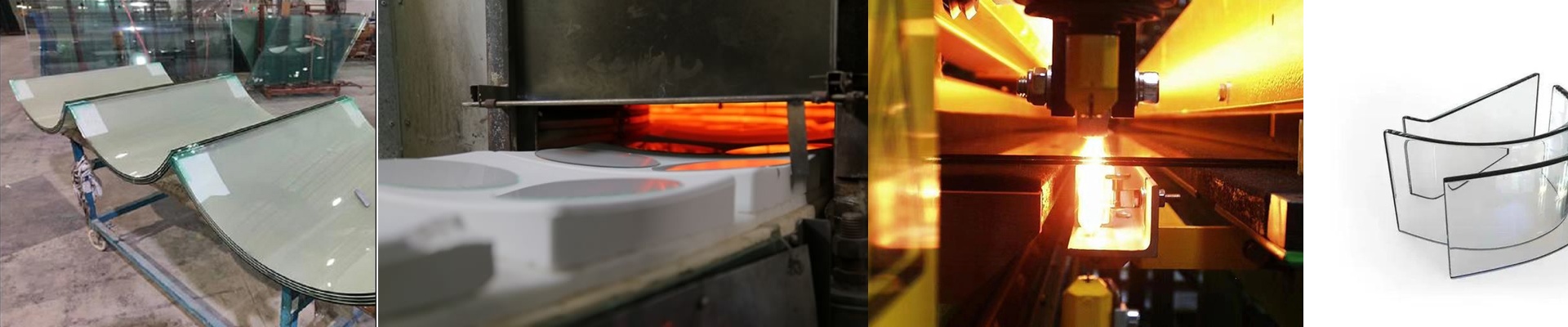



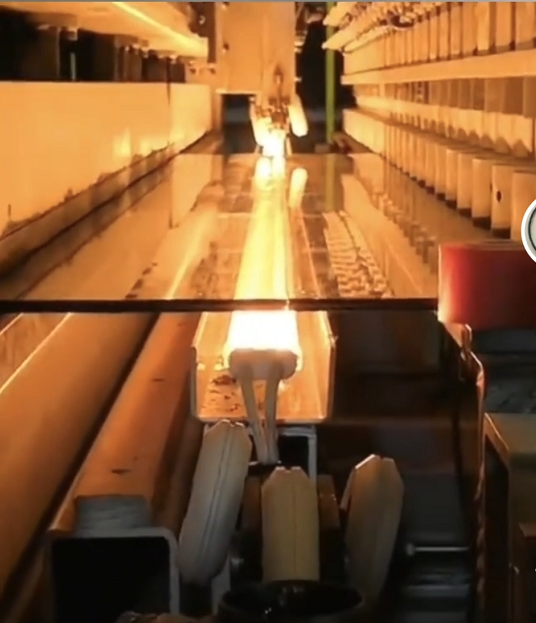
Buying a replacement lamp is the easy part. The real headache? Getting that glass finish to actually look right. I see it all the time. A shop’s tube burns out, they swap it for a new one, and they call it a day. But nobody asks why it died in the first place. See, a high-gloss finish is picky. It needs a very specific heat profile. If your heat density is off by even a hair, you end up with that annoying “orange peel” texture or a cure that just looks uneven. The science of the shine Getting a high-gloss dry is a balancing act. You need the surface to evaporate fast, but the cure has to be controlled. That’s why we lean on shortwave infrared emitters. They dive right into the coating without cooking the glass itself. But there’s a catch. If your wattage is too high for how fast your conveyor is moving, you’ll get bubbles. Too low? The finish stays tacky to the touch. We don’t just ship you a tube and wish you luck. We look at your line speed and how thick your coating is so we can nail the power density for you. The hardware trade-off Most of our high-output dryers use quartz tubes with special coatings to shift the heat spectrum. They put out a massive amount of energy, but they’re sensitive. Really sensitive. Believe it or not, a single fingerprint on the quartz during install can create a hot spot. That one little smudge can kill the whole lamp way before its time. It’s why we’re so obsessive about handling protocols and shielding—keeping those tubes clean is the only way they last. Why we actually visit your shop A spec sheet is great, but it won’t tell me if your reflectors are oxidized or if your airflow is choked. When we come out for a diagnostic, we bring thermal imaging to see what’s actually happening on the surface of the glass. More often than not, the “lamp problem” isn’t a lamp problem at all. It’s usually a voltage drop or a reflector that’s just slightly out of alignment. We’d rather fix the whole system than just hand you a spare part. It beats burning through a set of expensive lamps every three months.