
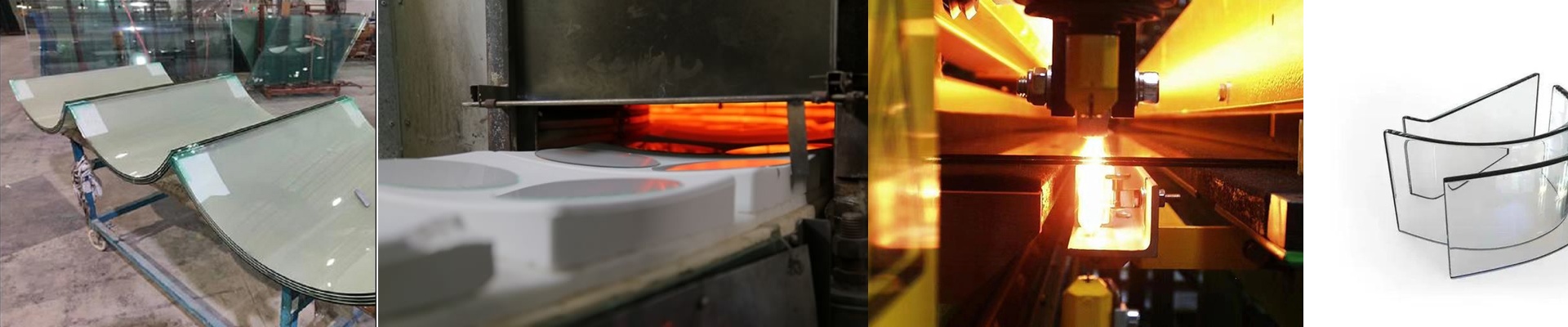


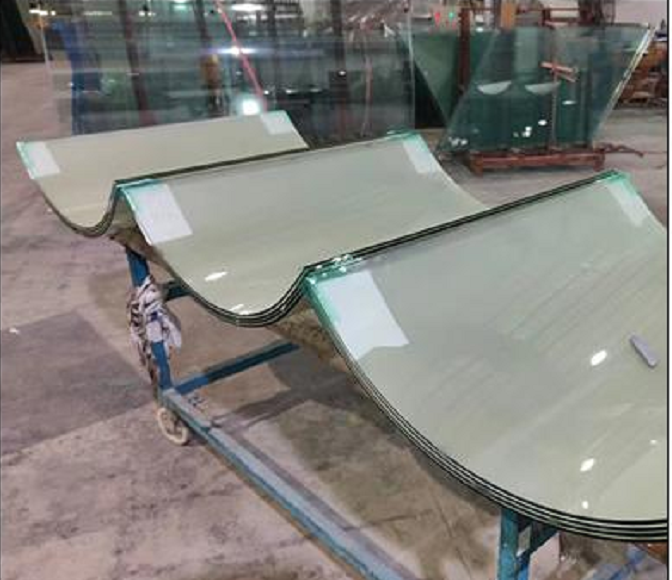
How to Stop Thick Glass from Cracking During Cutting
Cutting thick glass is a bit of a balancing act. You’re fighting with temperature. If you take your time and heat it slowly, you’re just wasting daylight. But if you blast it with raw heat too quickly? The inside of the glass can’t keep up with the surface. The stress builds up, and—snap—you’ve got a crack right through your piece. That’s why we use shortwave infrared (SWIR) lamps. The magic is in the speed. Most heating elements have this annoying “lag” where they take forever to warm up or cool down. Not these. SWIR emitters respond to voltage changes almost instantly. We’re talking milliseconds. This means you can program a heating curve that’s just right. You get the glass exactly where it needs to be without pushing it over the edge into thermal shock. Getting the heat to the core Thick glass is stubborn. It has a lot of thermal inertia, so the heat tends to just sit on the surface. To actually reach the center, you need some serious power density. We usually go with high-wattage quartz lamps because shortwave radiation actually sinks deeper into the glass than the medium or longwave stuff. To make this work, you’ll want a high-speed SCR or a PWM controller. It lets you “pulse” the heat. Think of it like a heartbeat—it keeps the surface from getting scorched while the core is still catching up. The trade-offs (The “Gotchas”) Now, here’s the catch. These lamps run incredibly hot. Because they’re so powerful, they put a massive heat load on the housings. If you skimp on your cooling fans or shielding, you’re going to melt your wiring and fry your connectors. It’s not a pretty sight. And a quick word of warning on the quartz tubes: they’re fragile. Even something as simple as a fingerprint or a smudge of oil can create a “hot spot” on the glass. Once that happens, the tube will fail way sooner than it should. Keep them spotless, or just throw a protective shield over them and save yourself the headache.