
Keeping Your Birds Warm Without the Headache
Chicken coops are tough on gear. Between the thick dust, the constant moisture, and that sharp smell of ammonia, most electronics just give up. That’s why we build our infrared heaters to be waterproof—they’re designed to survive the grime. But the real magic happens when you stop flipping switches by hand and let a smart system handle the heavy lifting.
Heat That Actually Hits the Spot
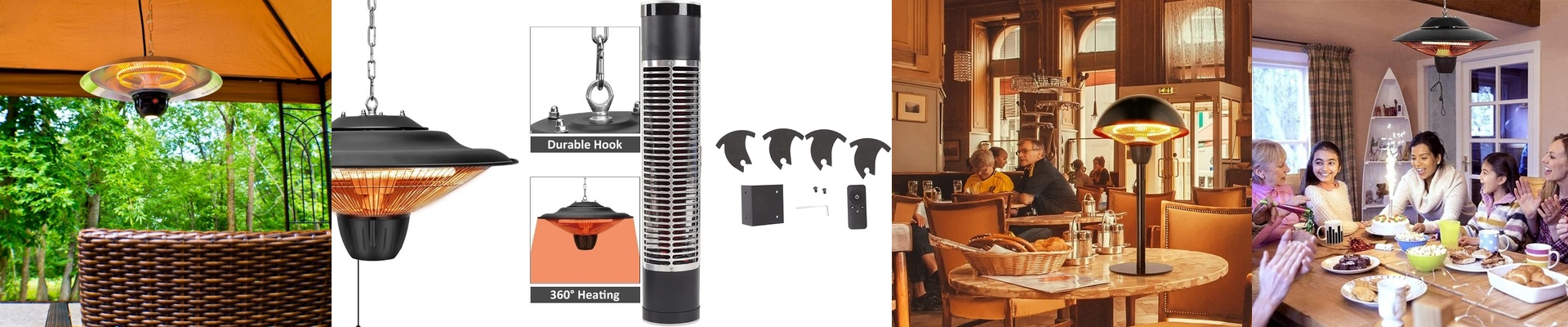
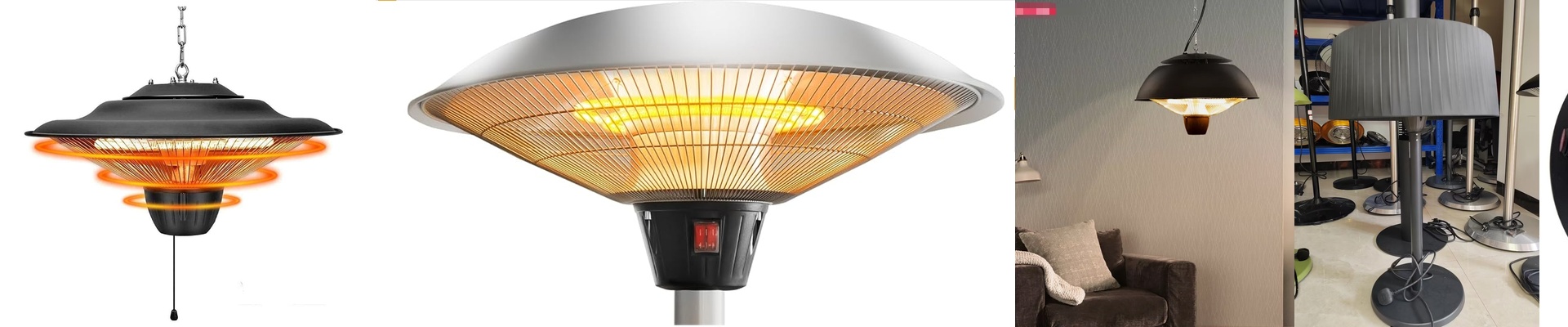
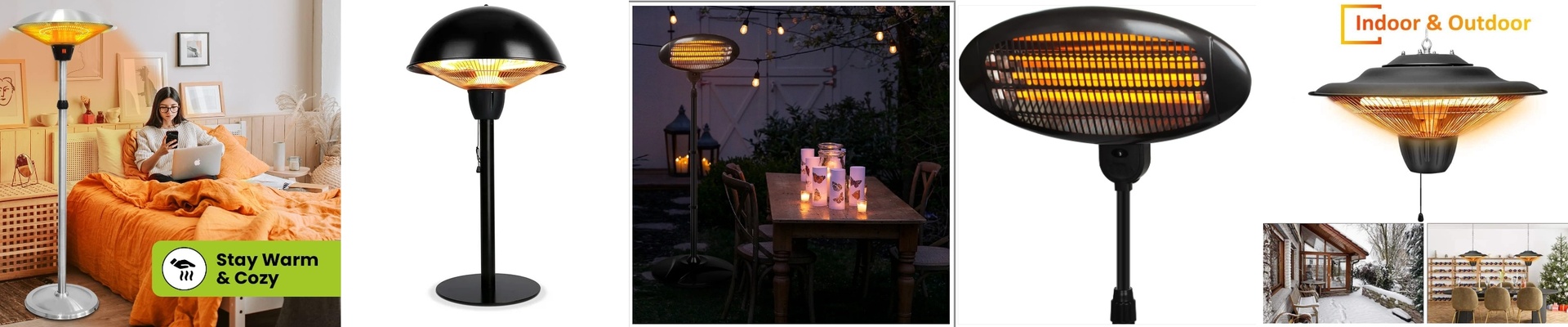
Most heaters try to warm up all the air in the room, which takes forever. Our infrared tech is different. It sends heat straight to the birds and the floor. It feels like a burst of spring sunshine. The second that relay clicks, the filament glows and the heat is just there. No waiting around for the room to warm up while your birds are shivering.
Making it “Smart”
If you want to control everything from your phone or set a schedule, you just need to connect the power supply to a smart relay or a PLC. Here is how most people set it up: put a temperature sensor right down where the birds are hanging out. If it drops below 10°C, the heater kicks in. Once it hits 20°C, it shuts off. It keeps the birds cozy and keeps your electric bill from skyrocketing. Simple as that.
A Few Things to Watch Out For
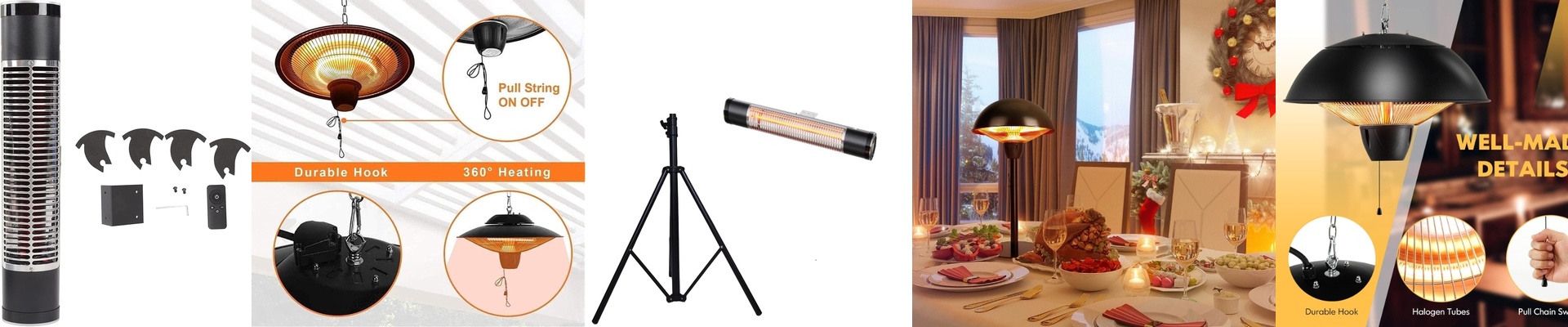
Now, there’s a catch with waterproofing. To keep the moisture out, we have to seal everything tight. But when you seal a heater, the internal heat can get trapped. Make sure your mounting brackets give the unit some breathing room. If the back can’t breathe, you risk frying your wiring over time. Also, a quick word of advice on your power: these lamps pull a lot of juice. If you try to turn on ten of them at the exact same millisecond, you’ll probably trip your breaker. To avoid a dark coop, just program your software to stagger the start-up. Turn them on one by one, and your electrical panel will thank you.