
Getting Your Bathroom Heat Just Right: A Quick Guide to Infrared
Nobody likes stepping out of a hot shower into a freezing bathroom. It’s a shock to the system. But if you’re putting in infrared heating, you can’t just grab the biggest lamp on the shelf and hope for the best. You’ve got to balance the power with the size of the room. If you go overkill in a tiny space, you’re just burning money and risking a melted fixture. Go too low? You’ll be shivering while the lamp struggles to do its job.
Finding the Right Power
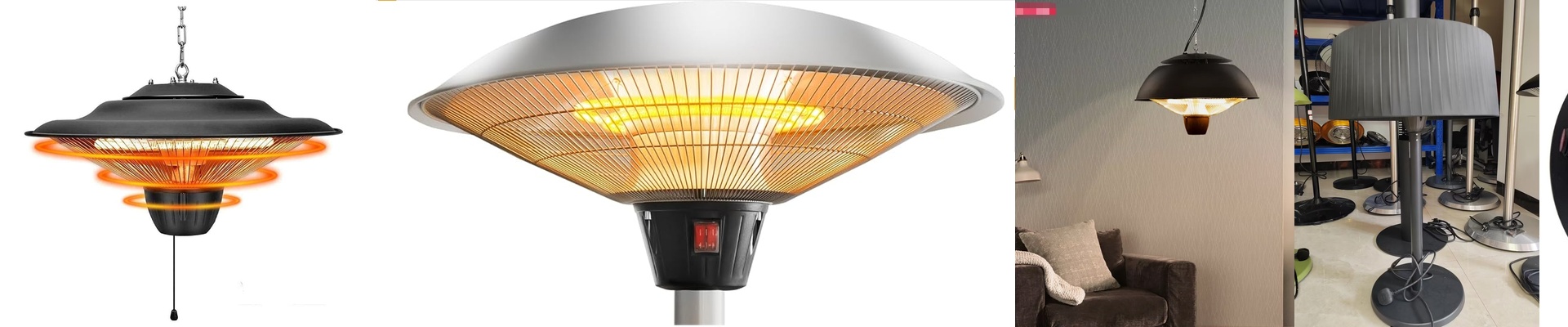
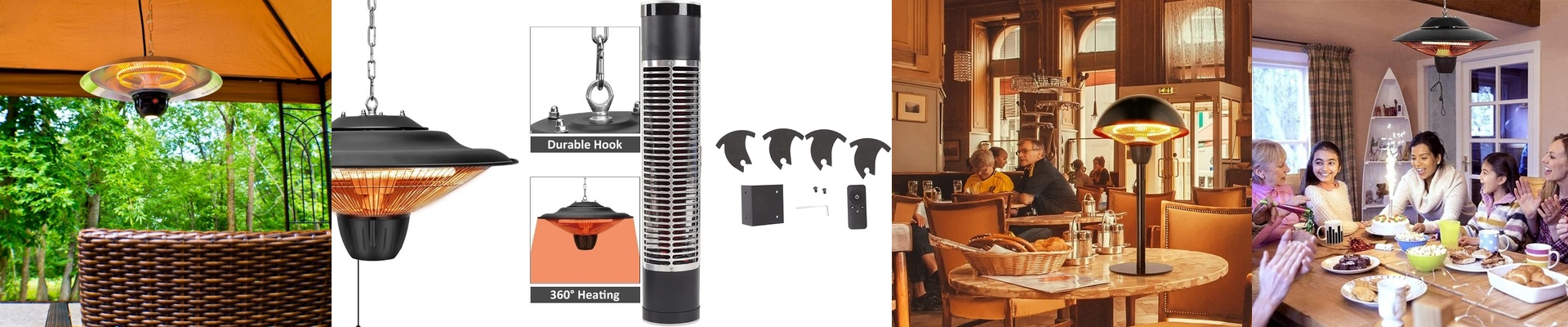
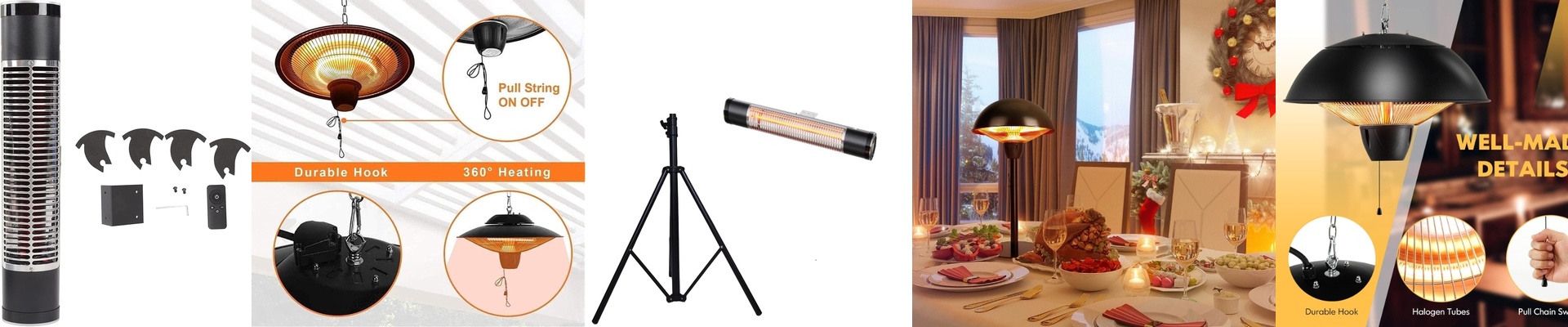
Think about the size of your space. For a small powder room—you know, those tiny half-baths—a 250W to 400W shortwave lamp is usually plenty. It hits you with that instant warmth the second you flip the switch. If you’re dealing with a larger family bathroom, you’ll want to bump that up to 600W or 800W. Here is the cool part: shortwave infrared doesn’t bother heating up the air. It goes straight for your skin and the tiles. Because of that, you can actually use lower wattage than you would with those old-school heaters and still feel just as toasted.
The Deal with IPX5 and Heat
Since we’re talking about bathrooms, water is the enemy. That’s why we use IPX5-rated enclosures. They’re sealed up tight with silicone gaskets so water jets can’t get inside and fry the electronics. But there’s a catch. When you seal something that tightly, the air can’t move. If you put a high-powered lamp in a tiny, sealed box, the heat builds up in the mounting bracket. To keep the housing from warping over time, just make sure you leave enough breathing room around the fixture when you mount it.
a Few Pro Tips for Efficiency
Want to save on your electric bill? Look at your ceiling. Infrared heat fades as it travels. If your ceilings are high (around 2.5 meters), you’ll need a bit more wattage to feel the same warmth as someone with a lower 2.1-meter ceiling. And please, don’t just leave the thing running all day. Hook it up to a timer or a humidistat. It keeps the filaments from burning out too fast and keeps your power bill from spiking. Simple.