

Stop Ripping Out Your Heaters Every Five Years
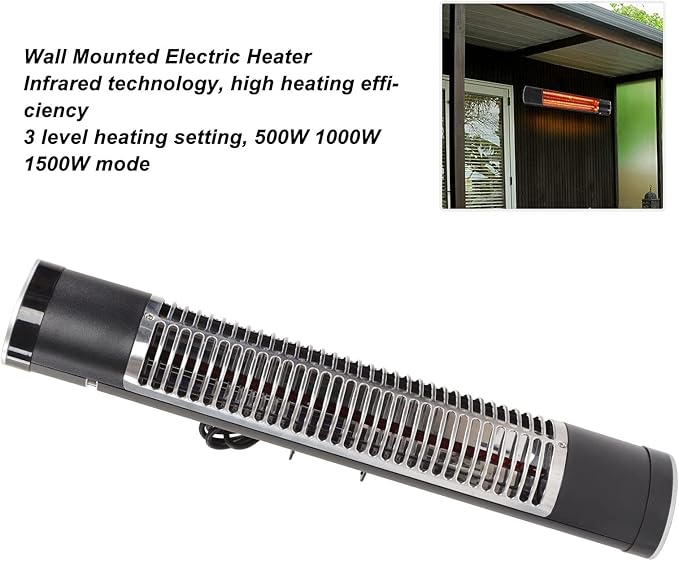
Let’s be honest: outdoor heating is a brutal business. Between the dust, the rain, and the constant heating and cooling, those elements eventually give up. It usually happens around the five-year mark. And that’s when the real headache starts. Most people find themselves ripping out entire housings or messing around with junction box wiring just because one tube burned out. It’s a waste of time and a total pain. We decided to stop that madness. That’s why we built our IP65 waterproof heaters to be modular.
The Secret is in the Setup
Most heaters on the market are sealed shut. Sure, that keeps the water out, but it makes servicing them a nightmare. We did things differently. We kept the waterproof shell and the heating module separate. The heating element sits in its own tray with quick-connect terminals. What does that actually mean for you? It means you can swap a dead tube in under ten minutes.**No soldering. No tearing the chassis apart.**You just pop the old module out, drop the new one in, and you’re done. The weather seal stays put, and your downtime disappears.
Keeping it Dry Without Cooking the Brains
Getting an IP65 rating is great—it means the unit is dust-tight and can handle a blast of water without flinching. We use high-temp silicone gaskets and alloys that don’t rust to make sure nothing leaks. But there’s a catch. When you seal something that tight, heat gets trapped inside. To keep the electronics from frying, we added oversized heat sinks and some clever venting. It lets the air move, but keeps the water out. If you’re installing these in a salty, humid coastal spot, just make sure your brackets leave plenty of room for air to flow around the unit. It’ll keep the components from wearing out too early.
Making Life Easier for the Person on the Ladder
We’re big believers in “drop-in” replacements. We use the same footprints for our infrared modules across the board. So, a tube you buy today will actually fit the housing five years from now. It takes the guesswork out of the job. The technician on the ladder doesn’t have to wonder if the part is right. They just find the failed module, pull it, and plug in the new one. It’s as simple as that.