Making Bathroom Heaters Kinder to the Eyes
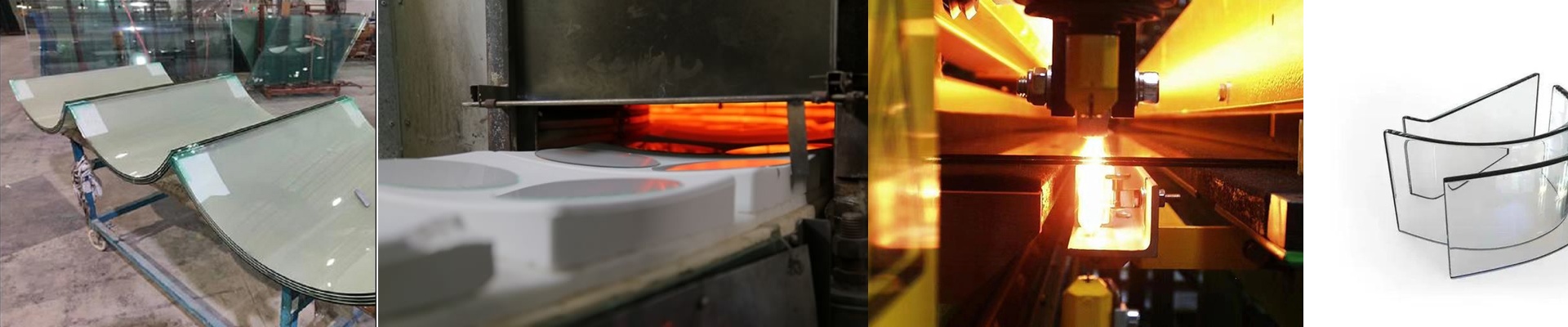
Let’s be honest: most infrared lamps are blinding. They blast out this intense, white light and UV radiation that feels more like a stadium floodlight than something you’d want in a bathroom. If you’ve got a baby in the house, that glare isn’t just annoying—it’s actually stressful for their eyes. So, we stopped obsessing over just “how much heat” we could push and started looking at the light itself. The trick to that “soft glow” We wanted a way to keep the warmth but lose the blinding brightness. To do that, we use special coatings on the quartz glass or add filtered glass into the mix. Basically, we block out those harsh, short wavelengths and the UV stuff. This pushes the energy into the long-wave infrared band. The result? The heat goes straight to the skin and the surfaces around it, but the room doesn’t feel like it’s being hit by a strobe light. It’s much gentler. Keeping things safe (and hot) To get that instant heat, we use high-purity quartz tubes. They’re tough. They can handle the shock of turning on in a damp, chilly bathroom without cracking. But here’s the thing: wattage is a balancing act. More power means more heat, but it also means the glass gets scorching hot. If you’re going for a high-power setup, don’t skip the protective grille or a recessed housing. You really don’t want anyone accidentally touching the glass. A few trade-offs to keep in mind There is a catch. When you filter out the light to protect the eyes, you lose some of that bright, visible glow. Because of that, this lamp isn’t meant to light up the room. It’s a heater, period. My advice? Wire it to its own circuit and make sure there’s a thermal cutoff. You don’t want the housing overheating during a long session. It’s a simple setup, but it means the baby stays cozy and warm without the visual stress of an industrial lamp.