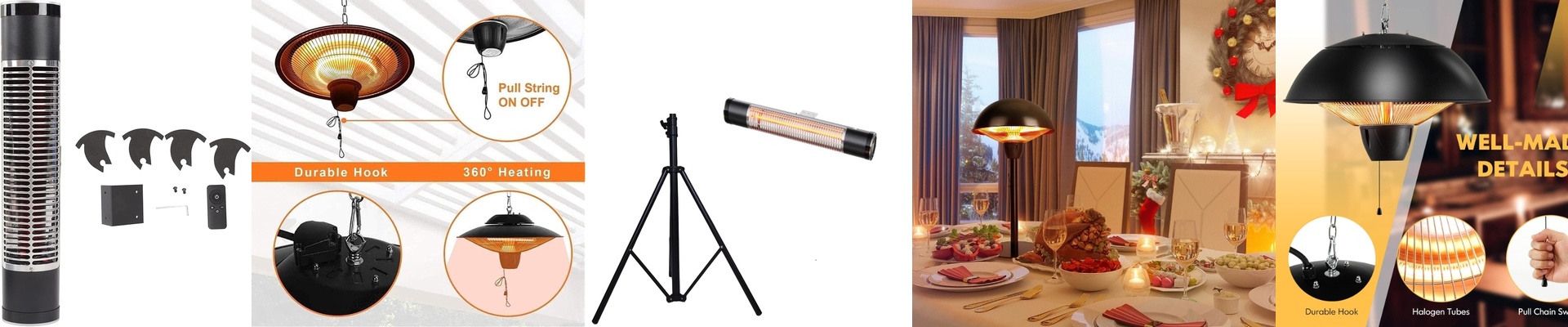
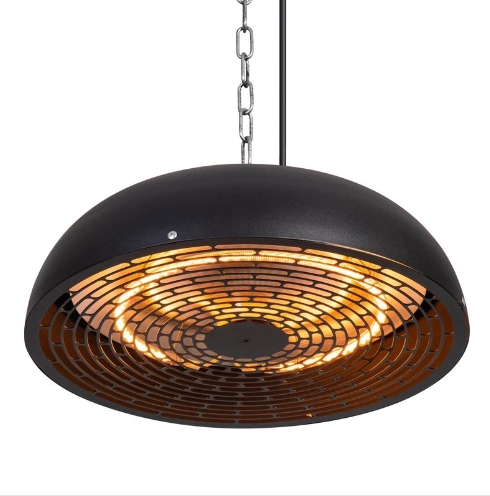
Why Your Bathroom Heater Keeps Dying (and How to Fix It)
Let’s be honest: those basic “lamp warmers” usually don’t stand a chance in a bathroom. You’ve got steam everywhere and water splashing around, and most of those cheap units just aren’t built for it. They lack the proper seals, so moisture creeps in, and before you know it, the thing stops working. It’s not about making the bathroom look fancy. It’s about making sure the thing doesn’t short out while you’re standing in the shower.
The Deal With IP Ratings
If you’re putting a heater in a wet zone, you need to look at the IP (Ingress Protection) rating. Think of it as a shield. High-IP units use heavy-duty gaskets and casings that don’t rust. We design them this way so that even when the room is thick with steam, the electrical parts stay bone-dry. It’s the difference between a heater that lasts a few months and one that actually does its job for years.
Why Infrared Just Works Better
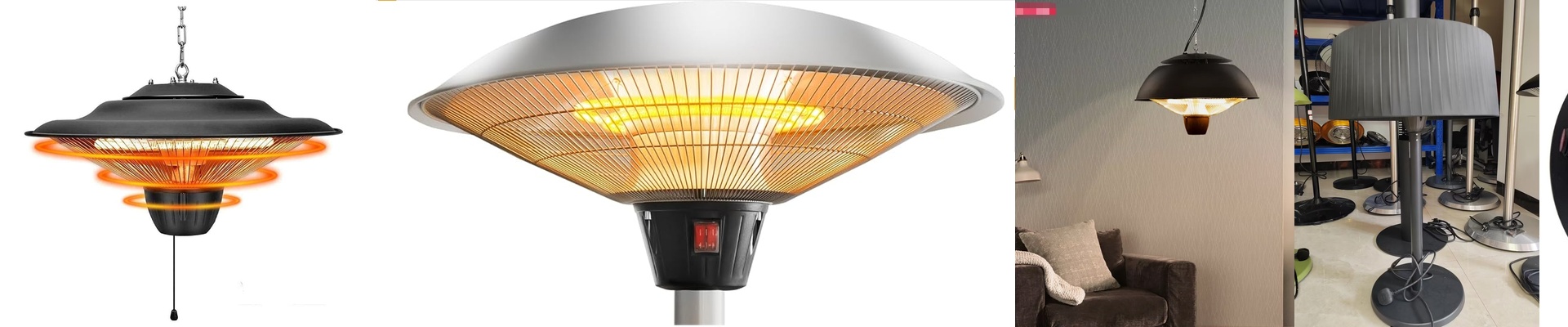
Most heaters try to warm up the air. The problem? That takes forever. Infrared is different. It doesn’t care about the air; it goes straight for you and the surfaces around you. You feel the warmth the second you flip the switch. We use short-wave emitters because they cut through the humidity much better. It’s fast. Really fast.
The Catch (And How to Handle It)
Here’s the thing: when you seal a unit tightly to keep water out, the heat inside has nowhere to go. Because there’s less airflow around the electronics, you can’t just wing the installation. If your wiring is too thin or your circuit breakers are under-specced, that trapped heat can fry the internal relays. **Do yourself a favor:**put these on a dedicated GFCI circuit. It’s the only way to sleep easy knowing the system is actually safe for a wet environment.