
Why Most Bathroom Heaters Die (And How We Fixed Ours)
Let’s be honest: bathrooms are a nightmare for electronics. You’ve got thick steam, random splashes, and constant humidity. It’s a recipe for rust, short circuits, and that annoying moment when your heater just… stops working. We got tired of seeing heaters burn out after a year, so we decided to build something that actually lasts.
The problem with “fog”
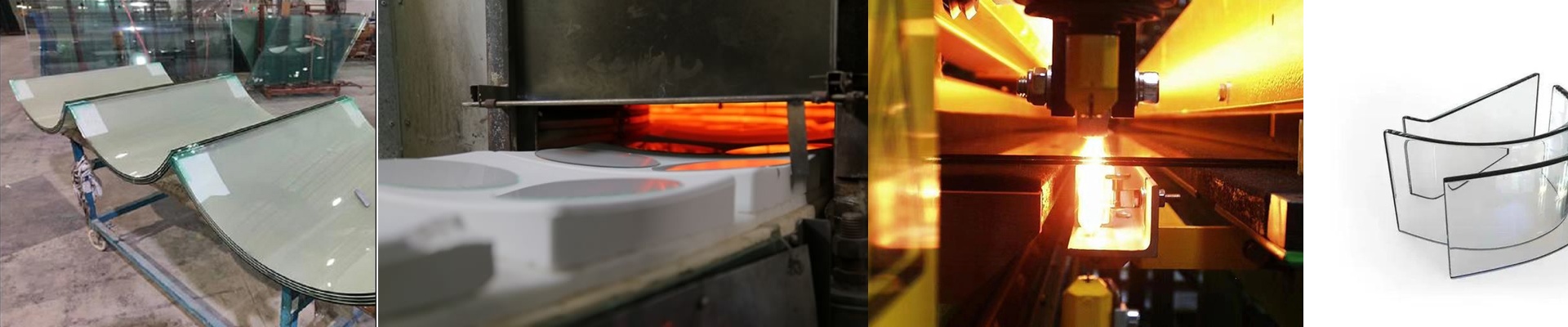
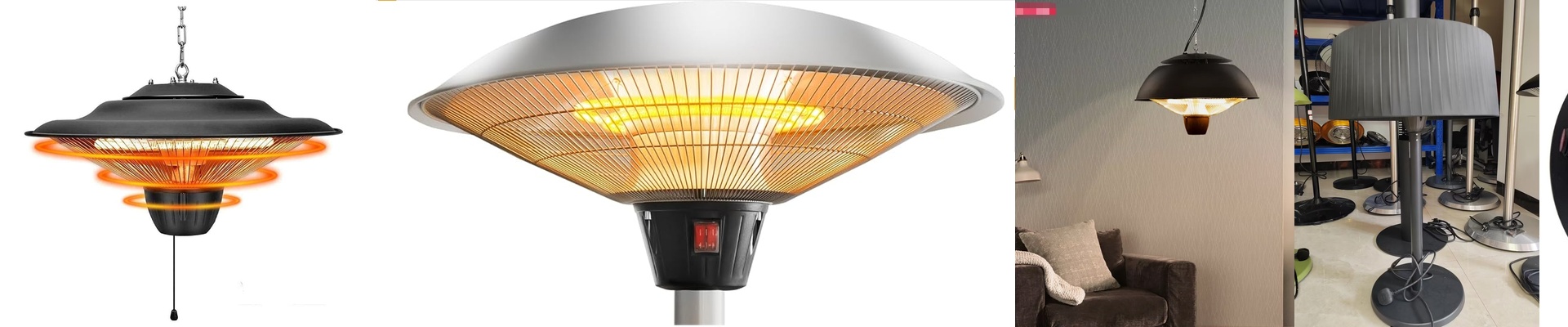
When you see your heater fogging up, it’s not just an eyesore. Those tiny water droplets sitting on a scorching hot infrared lamp are dangerous. They create “cold spots” on the glass, and when the glass expands and contracts unevenly, it cracks. To stop that, we added a hydrophobic coating to the emitter. Think of it like a rain-repellent for your windshield. Instead of the water clinging to the surface and leaving behind crusty mineral deposits, the droplets just slide right off. It keeps the heat steady and keeps the glass from snapping.
Keeping the water out
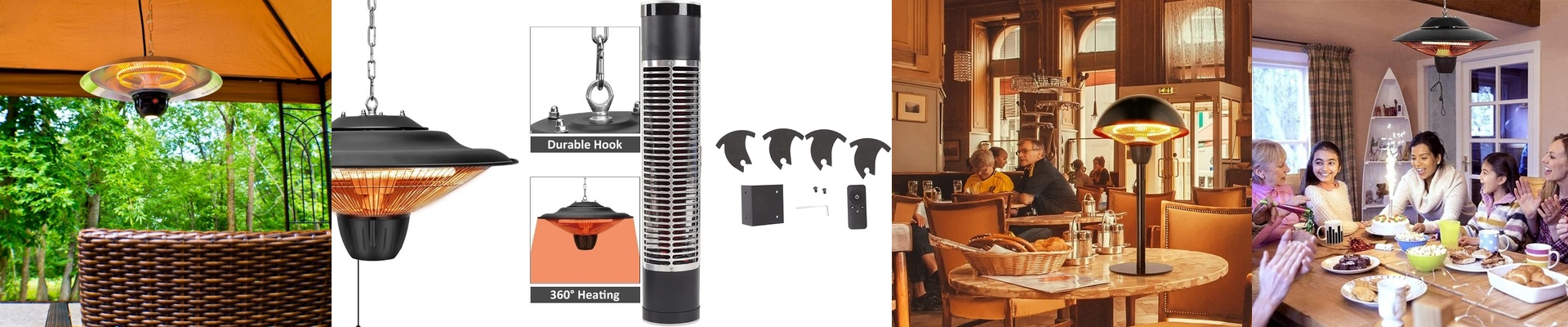
Water getting inside the wiring is the fastest way to kill a heater. It’s usually what causes those scary “short-to-ground” failures you see in cheap, open-frame models. We didn’t take any chances here. We tightened everything up and used high-temp silicone gaskets to seal the electrical junctions. We pushed for a higher IP rating because we wanted to make sure that whether it’s a cloud of steam or a stray splash from the shower, the internals stay bone-dry.
One quick heads-up
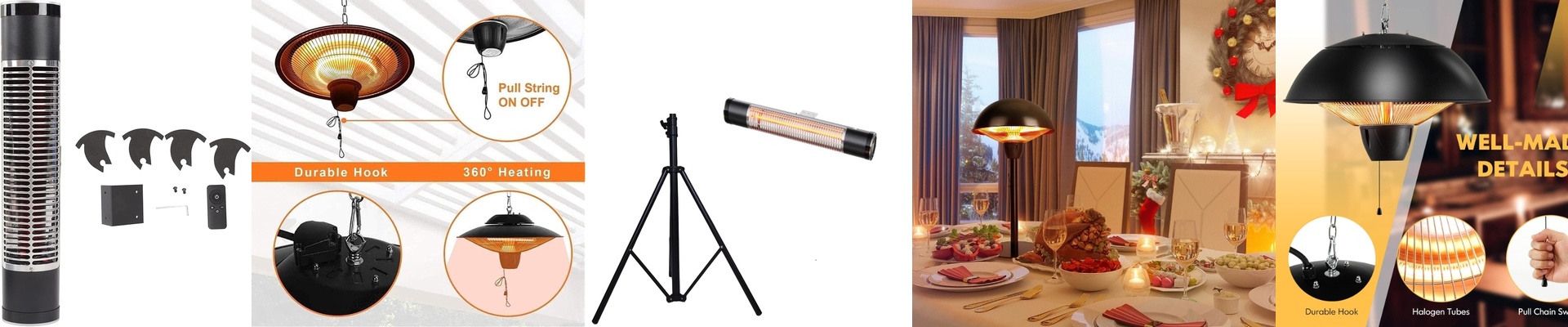
There is a trade-off when you seal something this tightly: the heat stays inside the chassis a bit longer. Because of that, you’ll want to make sure there’s a bit of breathing room around the outer casing during installation. If you mount it too flush against a ceiling that doesn’t breathe, the internal components will run hotter than they should, which can wear out the capacitors over time. Just give it a little space to breathe. We built this thing to take a beating. If you’re dealing with a high-humidity zone where every other heater has failed you, this is the one you want.