Why we torture-test our bathroom heaters
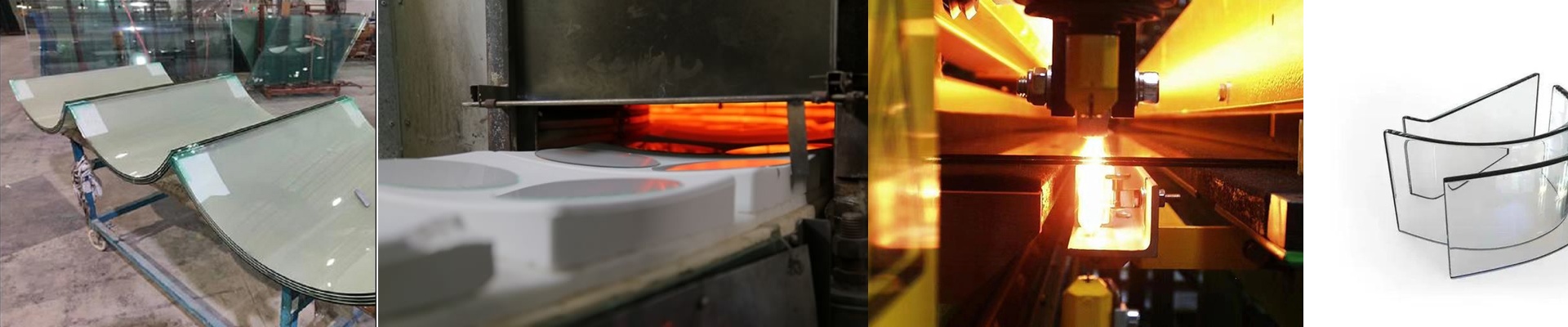
Let’s be honest: bathrooms are a nightmare for electronics. You’ve got thick steam, wild temperature swings, and water vapor getting into every little crack. Most standard IR lamps just can’t hack it. Moisture sneaks past the seal, the electrodes rust, or the quartz tube simply cracks. It’s a recipe for a dead heater. The “Steam Room” Test We don’t just plug a lamp in and hope for the best. Instead, we put every batch through what we call damp-heat aging. Basically, we lock them in high-humidity chambers and cycle them over and over. It’s like simulating years of steamy showers in a few days. We’re looking for that one tiny gap where vapor might migrate toward the lamp ends. If moisture hits the tungsten filament or the connections? Boom. The lamp burns out or shorts circuit. The Shock Factor Then there’s the temperature. A bathroom heater goes from freezing to scorching in a matter of seconds. That’s a massive hit of thermal shock. The quartz glass has to expand and contract without popping the seals. If we see things failing during our tests, we go back to the drawing board. We tweak the seal mix or adjust how the mirror reflector fits together until it’s rock solid. The Balancing Act Here’s the tricky part. High-wattage shortwave lamps are great because they give you that instant heat—perfect for clearing a foggy mirror fast. But that heat puts a ton of stress on everything else. If the surrounding plastics or reflectors aren’t up to the task, the mirror frame will warp and melt long before the lamp actually dies. It’s all about choosing materials that can handle the heat without breaking a sweat. We do all this because we’d much rather have a lamp fail in our lab than have it pop in your bathroom.