Why We Use Shortwave IR for Mirror Heaters
Ever stepped into a chilly bathroom after a shower and wished the room would just get it? Traditional heaters are slow. They try to warm up all the air in the room first, which takes forever. When you’re standing in a dressing area, you don’t have ten minutes to wait around. You want to feel the warmth on your skin right now. That’s why we use shortwave infrared (IR) technology.
How it actually works
Think of it like the sun. You don’t feel the air around you get hot when you step into sunlight; you feel the heat hitting your skin instantly. Our IR units do the same thing. They send out waves that travel at the speed of light and hit you—or the mirror—directly. It turns into heat the moment it touches a surface. It’s fast. Really fast. Which is exactly what you need for those quick, high-intensity bursts of warmth.
The nitty-gritty on the gear
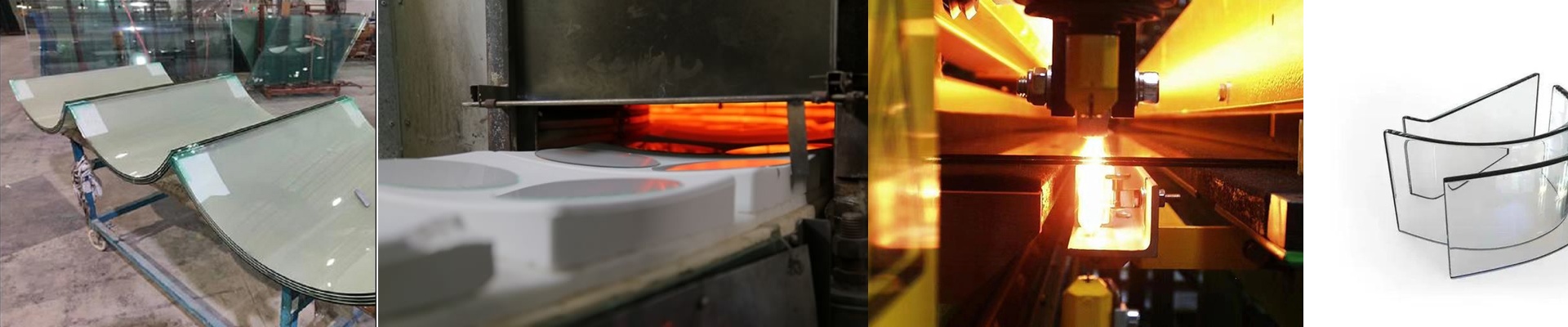
We usually go with quartz halogen tubes. We use quartz because it can handle much higher temperatures than regular glass without melting. It lets us ramp up the heat almost instantly. But here’s the thing: this is a lot of heat in a very small space. If you’re fitting these into a tight mirror frame, you have to be careful. You can’t just keep adding watts to a small box, or you’ll fry the wiring or—even worse—crack the mirror glass as it expands. To avoid that, we stick with tempered glass or leave a little breathing room between the lamp and the edge of the mirror.
Real-world installation
Most of the time, these are just drop-in replacements for old heating elements. The wiring is pretty simple. Just make sure your circuit can handle that initial surge of power when the unit kicks on. One heads-up, though. Shortwave IR has a bit of a “bite.” It feels amazing when you’re freezing, but if someone stands too close for too long, it can get a bit overwhelming. To keep things comfortable, we usually throw in a basic timer or a thermostat. That way, the space stays cozy without turning into a sauna.