
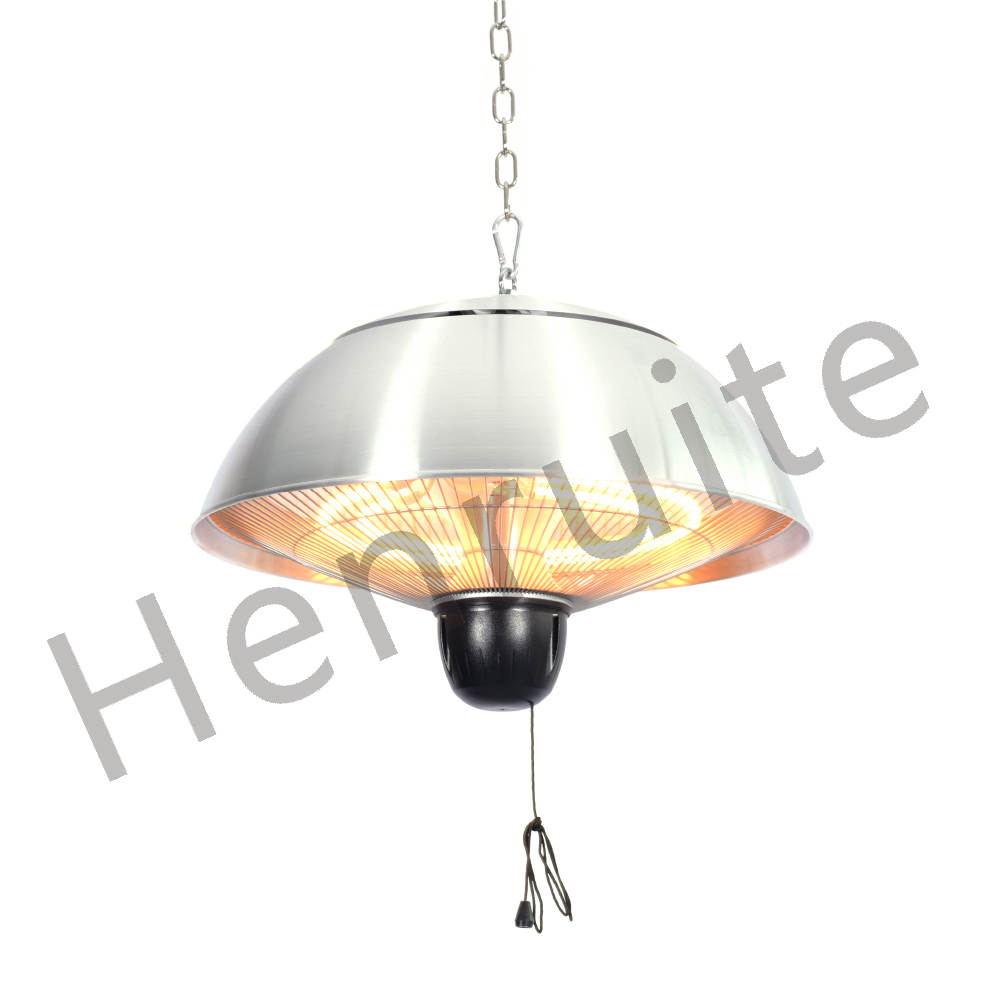
Why Your Bathroom Needs More Than Just a Heater
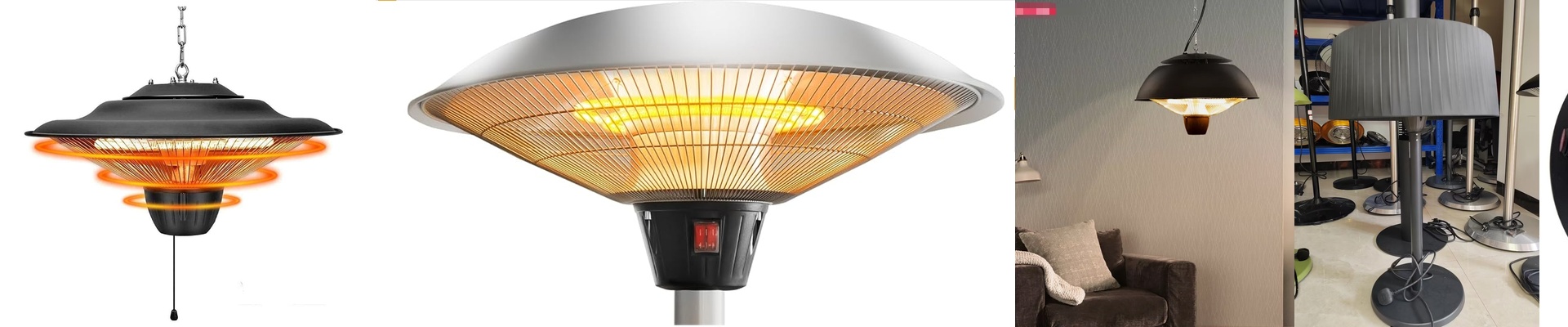
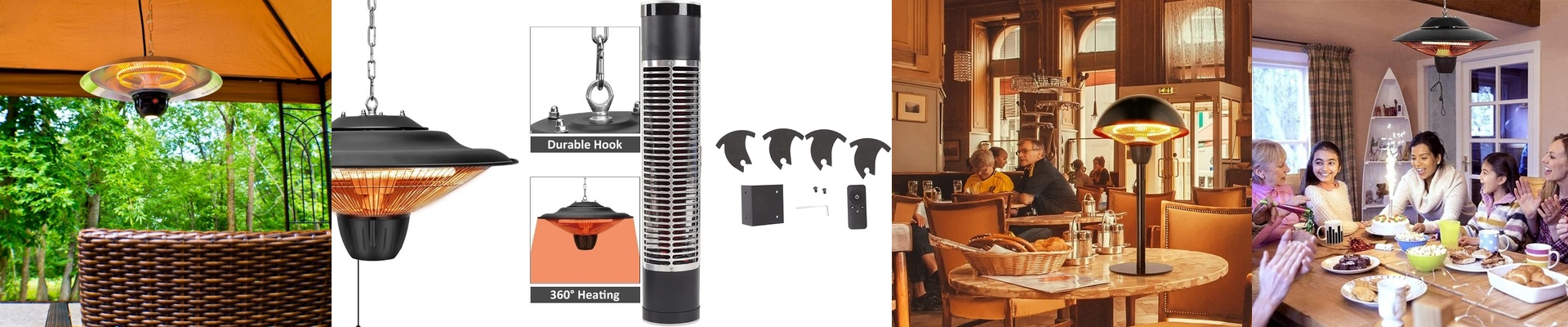
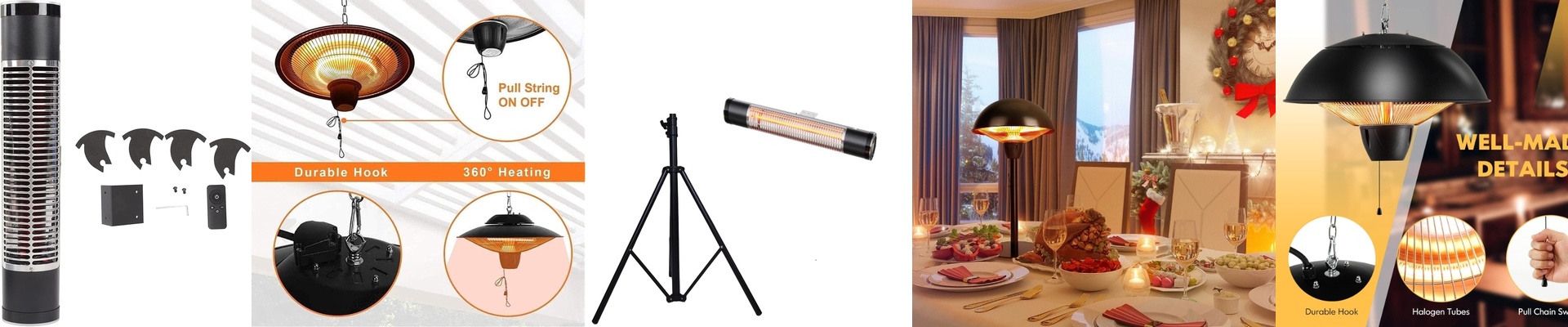
Most of us think of bathroom heaters as a way to stop that annoying shiver when you step out of the shower. But there’s a bigger picture here. When we install an IP65-rated infrared lamp in a wet room, we aren’t just trying to make the air feel cozy. We’re actually fighting a war against moisture.
Dealing with the Damp
Here is the thing about mold: it loves stagnant, damp air. Standard heaters just warm up the air, which often just pushes the humidity around the room. Infrared is different. It sends out short-wave radiation that hits your wet tiles and walls directly. It heats the surface, not the air. Because the walls get warm, the water trapped on them evaporates way faster. It’s a simple trick, but it works. By drying out those exact spots where mold likes to settle, you stop the problem before it even starts.
Safety and the “Meltdown” Risk
Water and electricity are a terrible mix. That’s why the IP65 rating is a big deal. It means the housing is sealed tight against dust and splashes. You can put it right in the steam zone and not spend your morning worrying about short circuits or rusty terminals. But, you have to be smart about where you put it. These lamps pack a punch. If you mount a high-wattage light too close to a plastic shelf or a cheap acrylic shower tray, you might actually warp the material. You’ve got to get the distance right based on the wattage so you don’t accidentally melt your bathroom finishes.
A Cleaner Way to Breathe
Relying only on a bathroom fan usually isn’t enough. Fans miss the corners. Infrared hits them. You end up with a room that actually feels dry and stays cleaner. It’s just using a bit of basic physics to stop a biological headache.