
Stop the Stress: Getting Your Glass Annealing Consistent
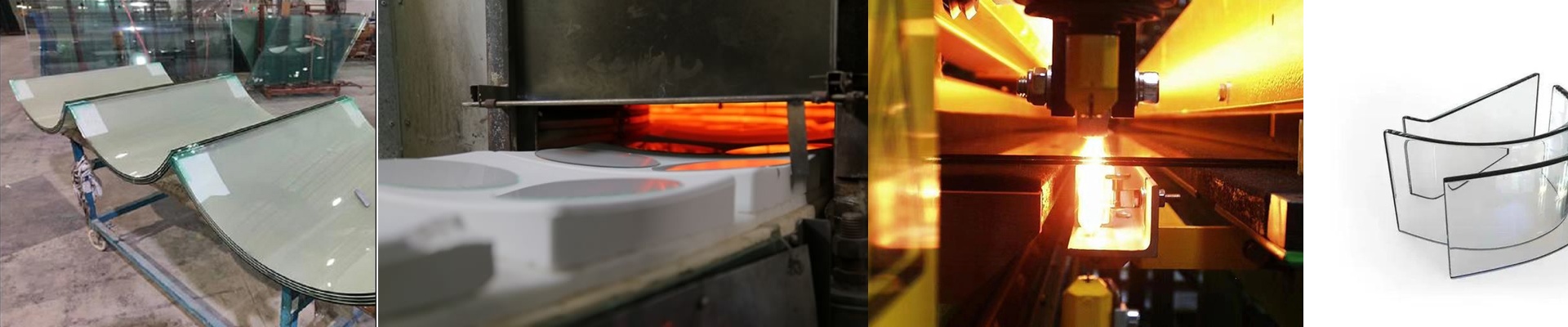
Ever pull a batch of glass out of the oven only to find a few pieces cracked or warped? It’s frustrating. Usually, it comes down to one thing: thermal gradients. If one side of your glass is even 10°C hotter than the other, you’ve got internal stress. And internal stress is just a fancy way of saying your glass is waiting for a reason to shatter. We figured out that the secret to fixing this isn’t just “more heat”—it’s making sure every single infrared (IR) lamp in the system is doing exactly the same job.
Why “Close Enough” Isn’t Good Enough
Here’s the thing: most quality issues happen because the lamps in an array aren’t actually identical. If one lamp puts out 5% less wattage than the one next to it, you get these annoying hot spots and cold zones. In a big batch, the pieces on the edge of the rack end up annealing differently than the ones in the middle. We obsess over the tolerances of our lamps. We make sure the radiant flux is the same across every single tube. When every lamp hits the same temperature, the heat soak is uniform. No surprises.
The Nitty-Gritty of the Heat
To keep things stable, we get picky about the quartz purity and how the filament is wound. We use short-wave IR because it punches right into the center of the glass mass. It’s fast. Which is great, because it means the glass spends less time in the oven. You don’t have to worry about scorching the surface while the core is still freezing. You just need that high power density to get the job done. And we don’t cut corners on the wiring. We use heavy-duty connectors because sloppy wiring or oxidized terminals lead to voltage drops. If you lose power at the connection, you lose consistency. It’s that simple.
The Catch (And How to Handle It)
Now, there is a trade-off. These high-consistency systems pull a lot of power. You can’t just plug them into any old circuit and hope for the best. If your power is unstable, you’ll see voltage spikes that burn out filaments or shift the wavelength of the light. You need a stabilized power supply. If your input voltage drifts, your batch stability drifts right along with it. Keep the power steady, and your glass stays perfect.